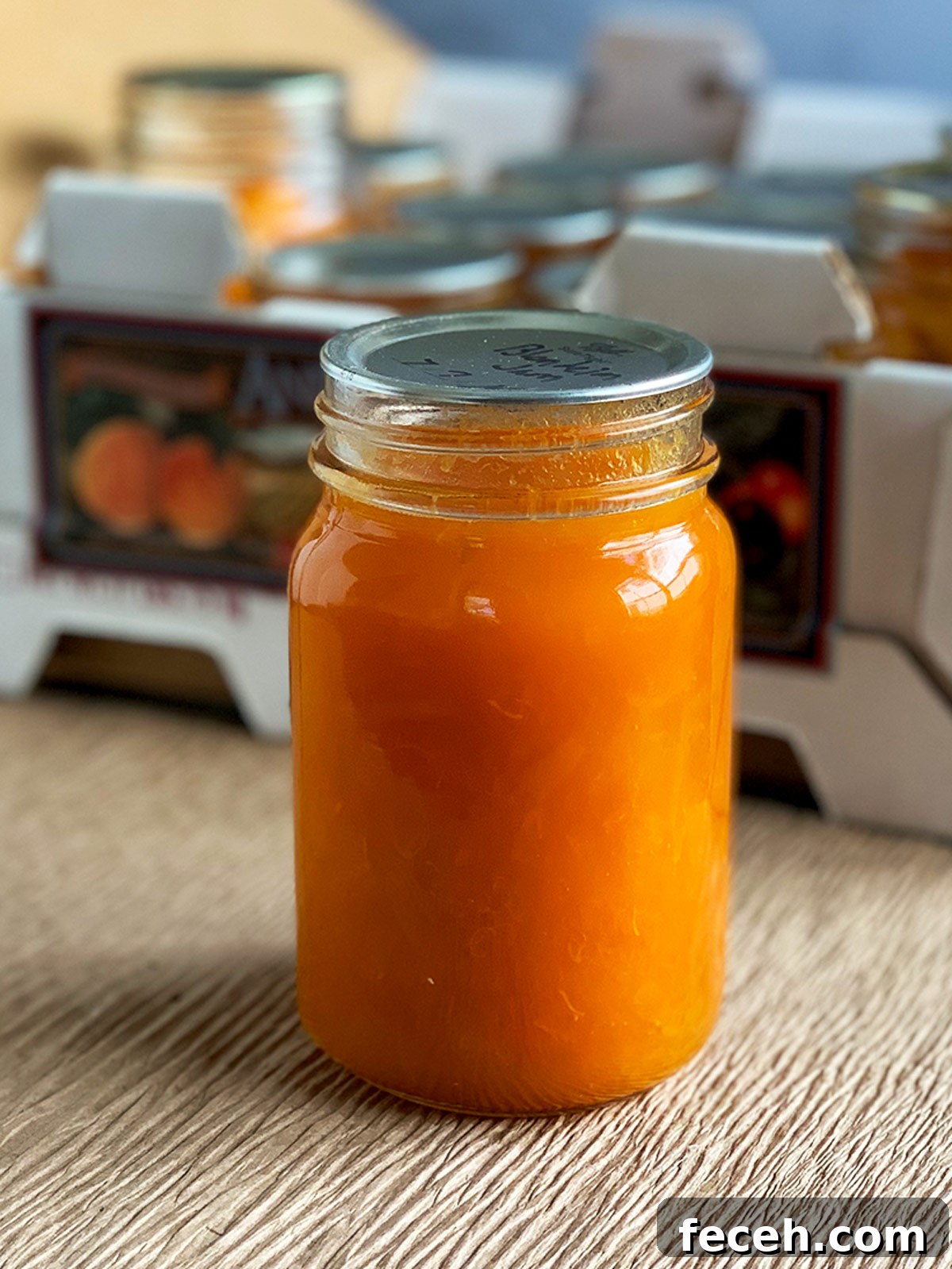
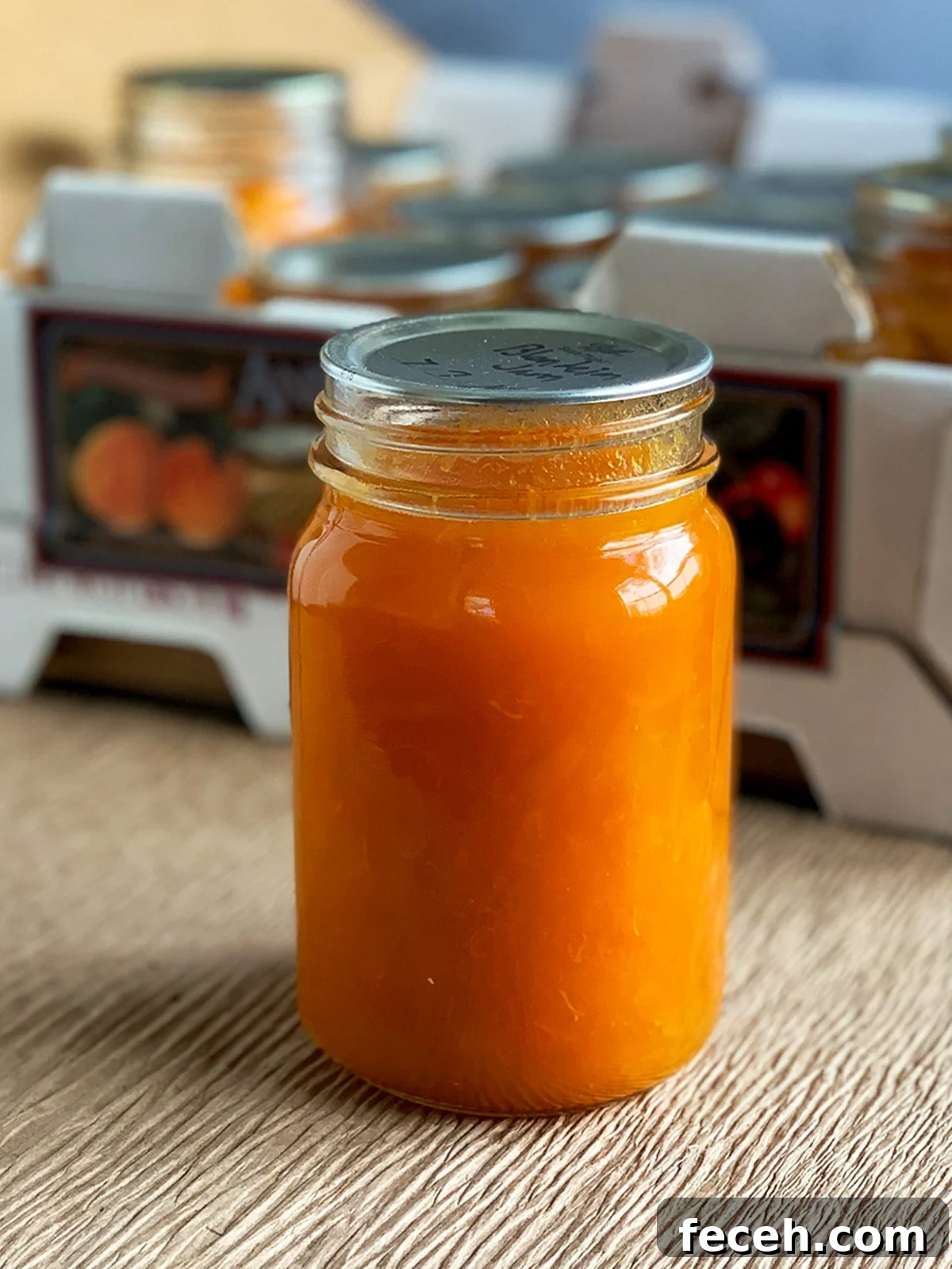
Apricot preserves are simple to make and capture the bright flavor of summer fruit. A touch of thyme and a hint of vanilla add depth without overpowering the natural sweetness of ripe apricots. Make a few jars now and freeze one for a cold, gray day—you’ll be glad you did.
This post contains product recommendations. As an author, I may earn from qualifying purchases, but I never let that influence my recipes.
Why you’ll love this recipe!
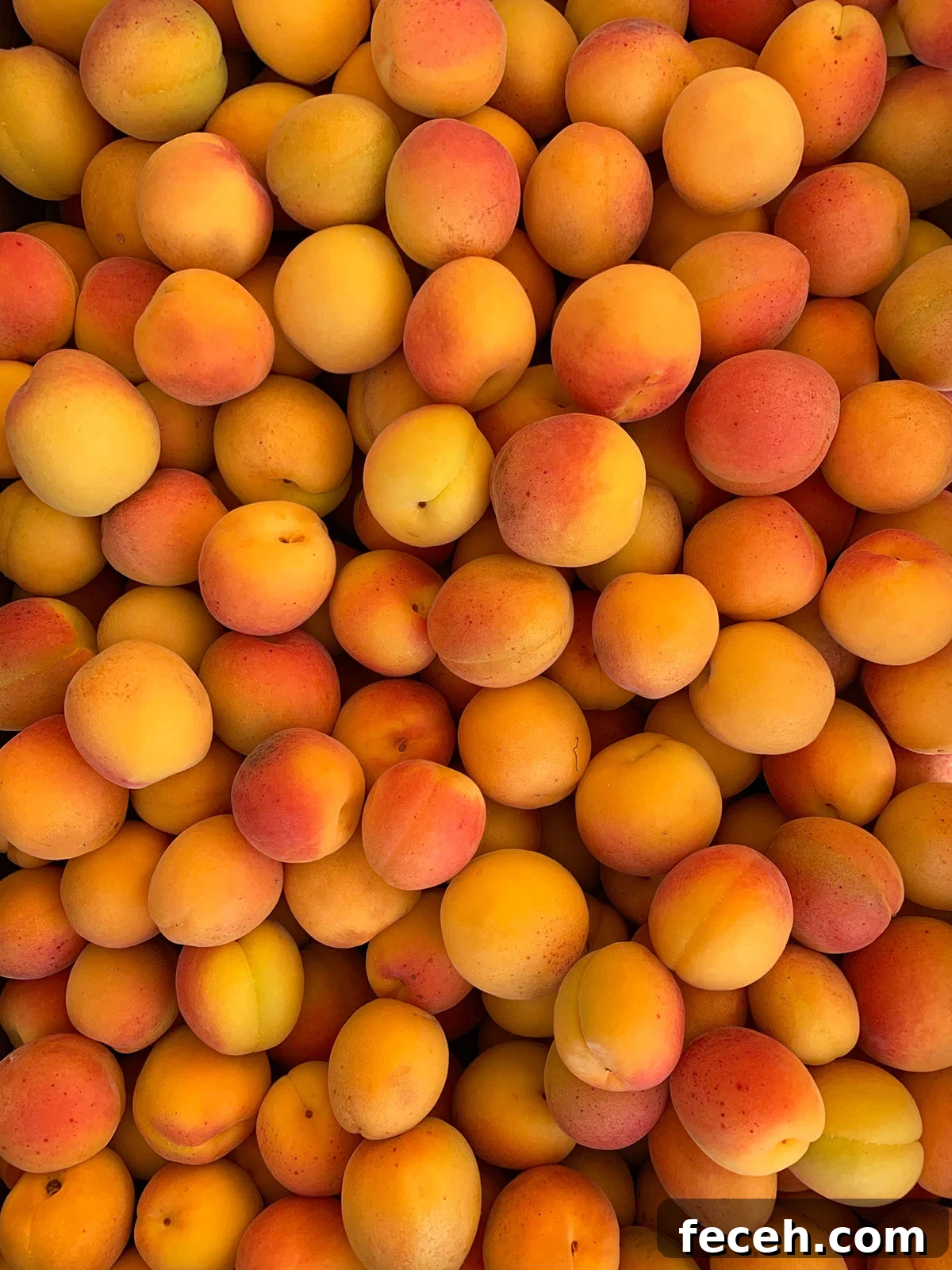
There’s a special pleasure in opening a jar of homemade apricot preserves when fresh stone fruit is long gone. Good apricots—especially classic varieties like Blenheim or Bonny Royal if you can find them—have a concentrated, sweet-tart aroma that transforms into something luxuriously jammy when cooked. These preserves highlight that flavor with just a little lemon, thyme, and vanilla so the apricot remains the star. This small-batch method is forgiving and perfect if you want to refrigerate or freeze jars instead of doing a full water-bath canning process.
Ingredients you’ll need
The single most important element is the apricots. Use the ripest, most flavorful fruit you can find; the quality of the fruit will determine the final result. Below are the other supporting ingredients that round out the preserves.
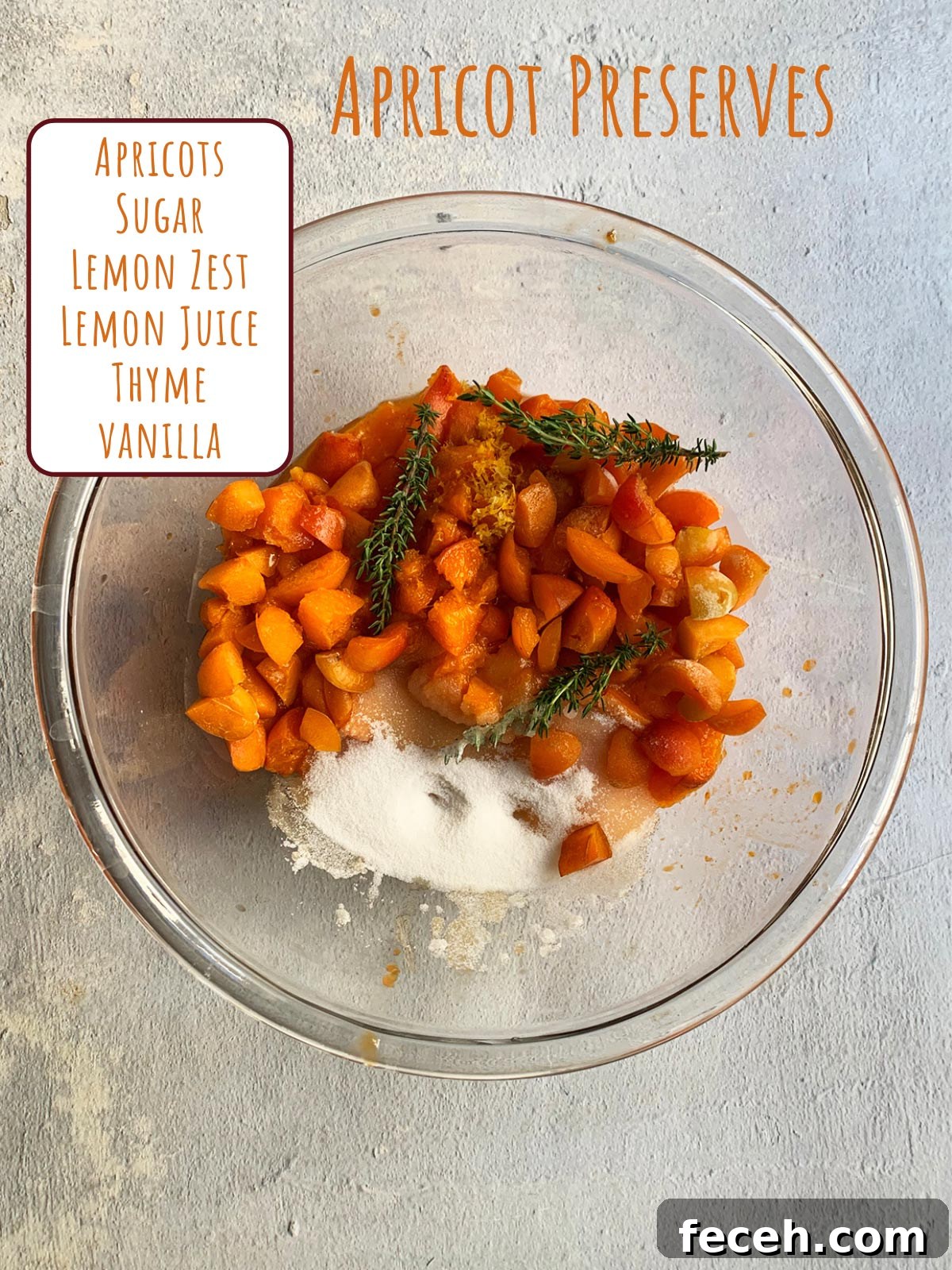
- Apricots: Choose ripe, fragrant fruit. If your apricots taste mild or underripe, add a touch more sugar, vanilla, or thyme to boost the flavor.
- Lemon juice and zest: Lemon brightens the preserves and helps balance sweetness. Meyer lemons are lovely, but any lemon will work—wash well before zesting.
- Thyme: Fresh thyme works best. Macerating the fruit with thyme lets the herb infuse gently into the syrup. If you don’t have fresh thyme, it’s okay to omit it.
- Vanilla: A split vanilla bean is excellent if you have one, but good-quality liquid vanilla or extract is perfectly acceptable.
How to make this recipe
This recipe benefits from a short maceration period before cooking: mixing the apricots with sugar and letting them sit draws out juices, creates a syrup, and allows added flavors like thyme to meld with the fruit. The maceration also speeds up the cooking time because much of the liquid has already been released. Follow these steps for reliable small-batch preserves.
1. In a large bowl, combine coarsely chopped, pitted apricots with the sugar, lemon zest and juice, and the thyme sprigs. Mix thoroughly, cover, and let the mixture sit in the refrigerator for a few hours or overnight to macerate.
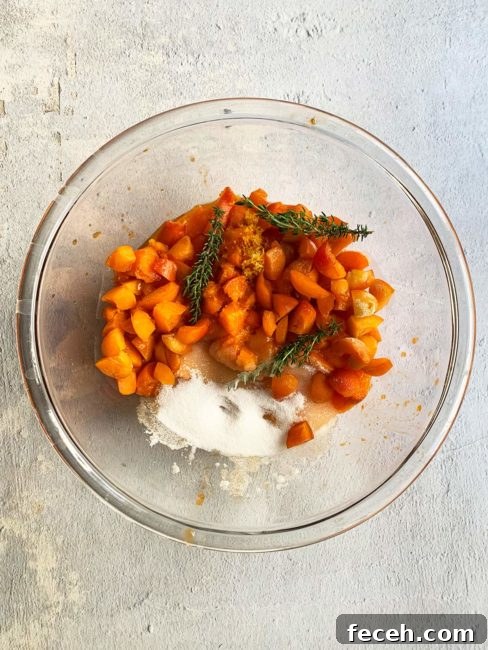
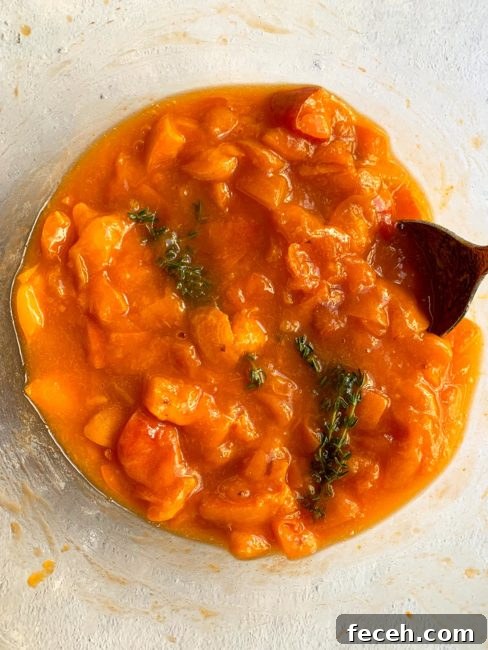
2. Remove the thyme sprigs and transfer the macerated fruit and syrup to a heavy-bottomed pot. Bring the mixture up to a boil over medium heat.
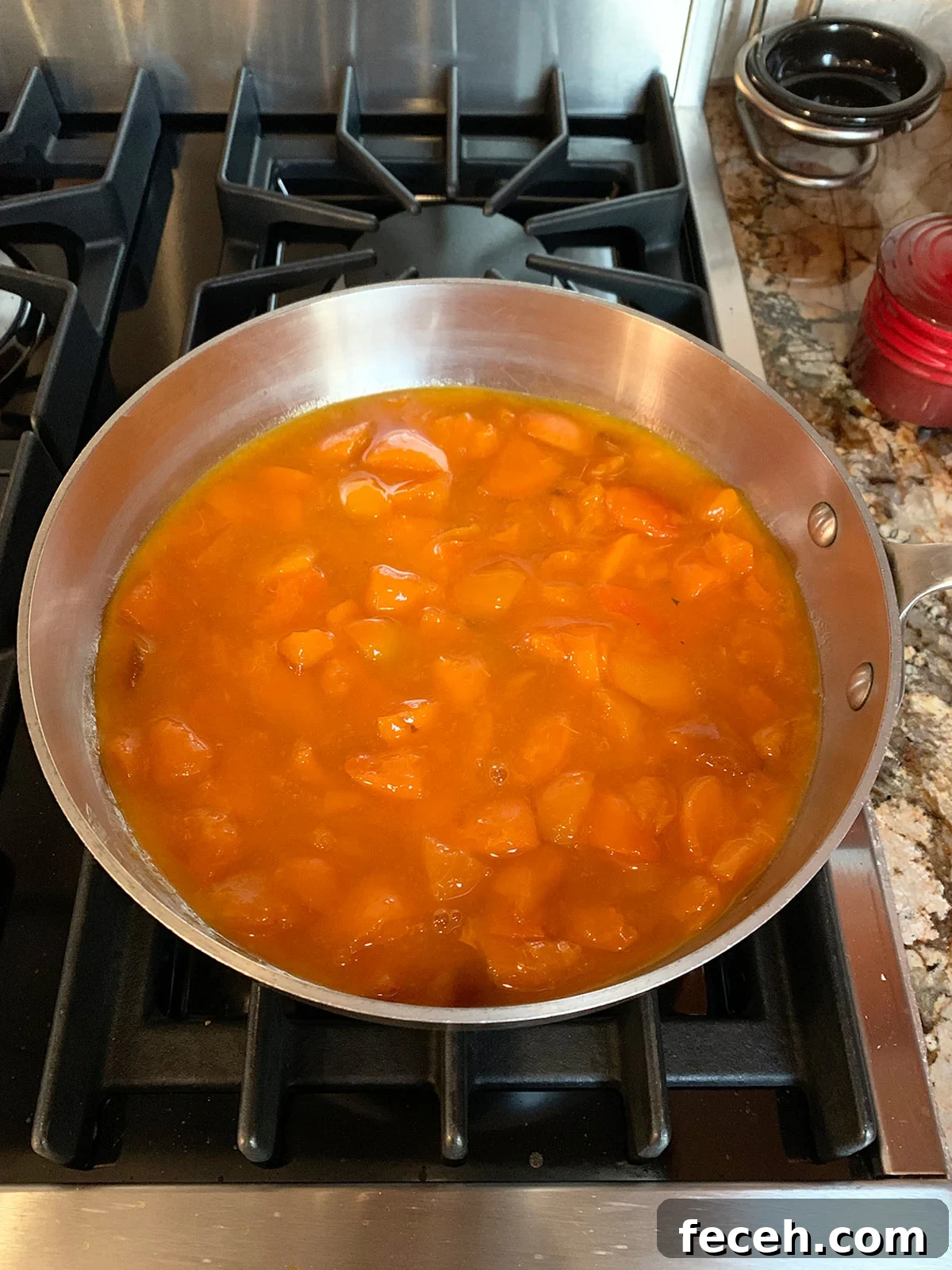
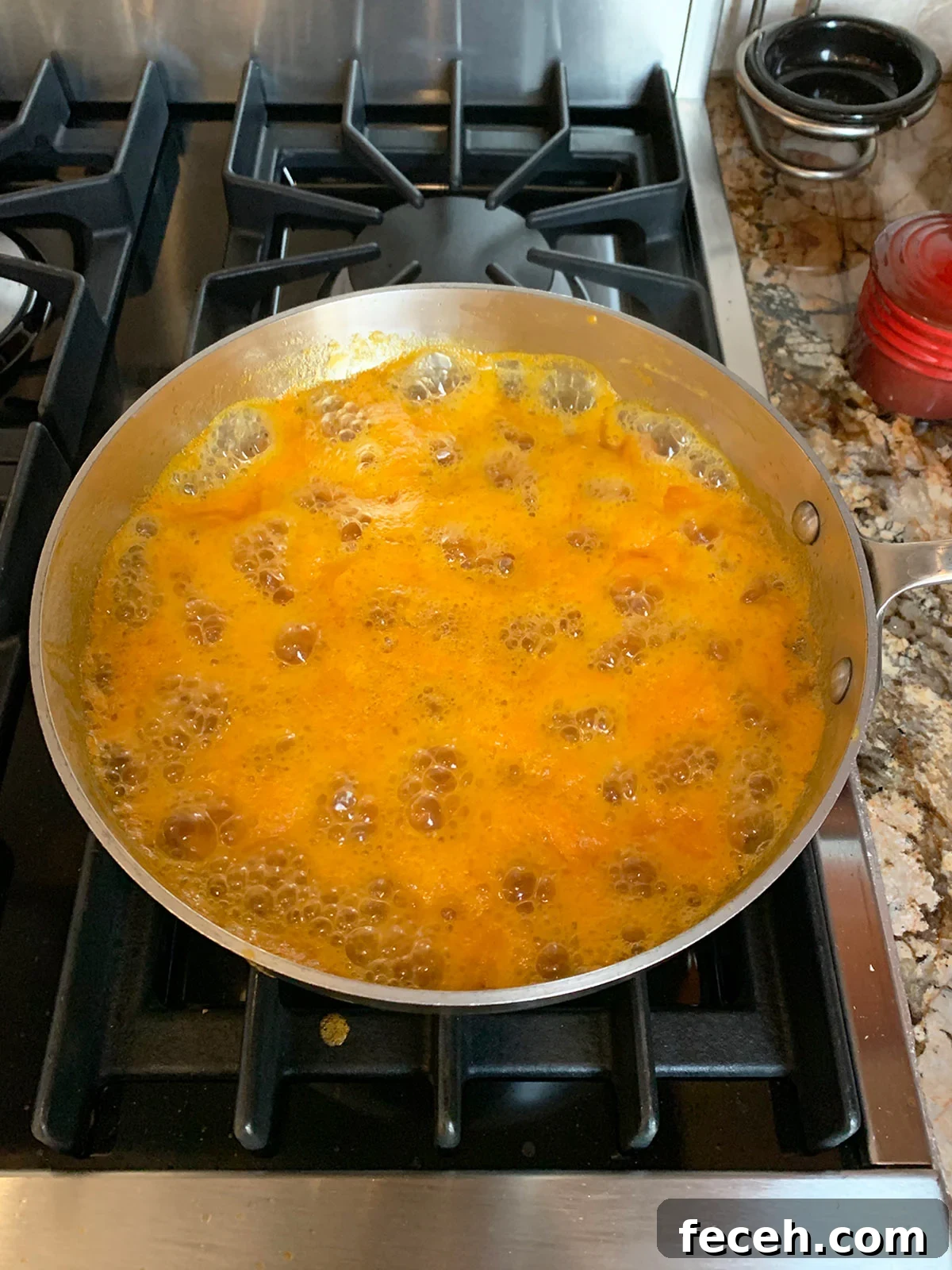
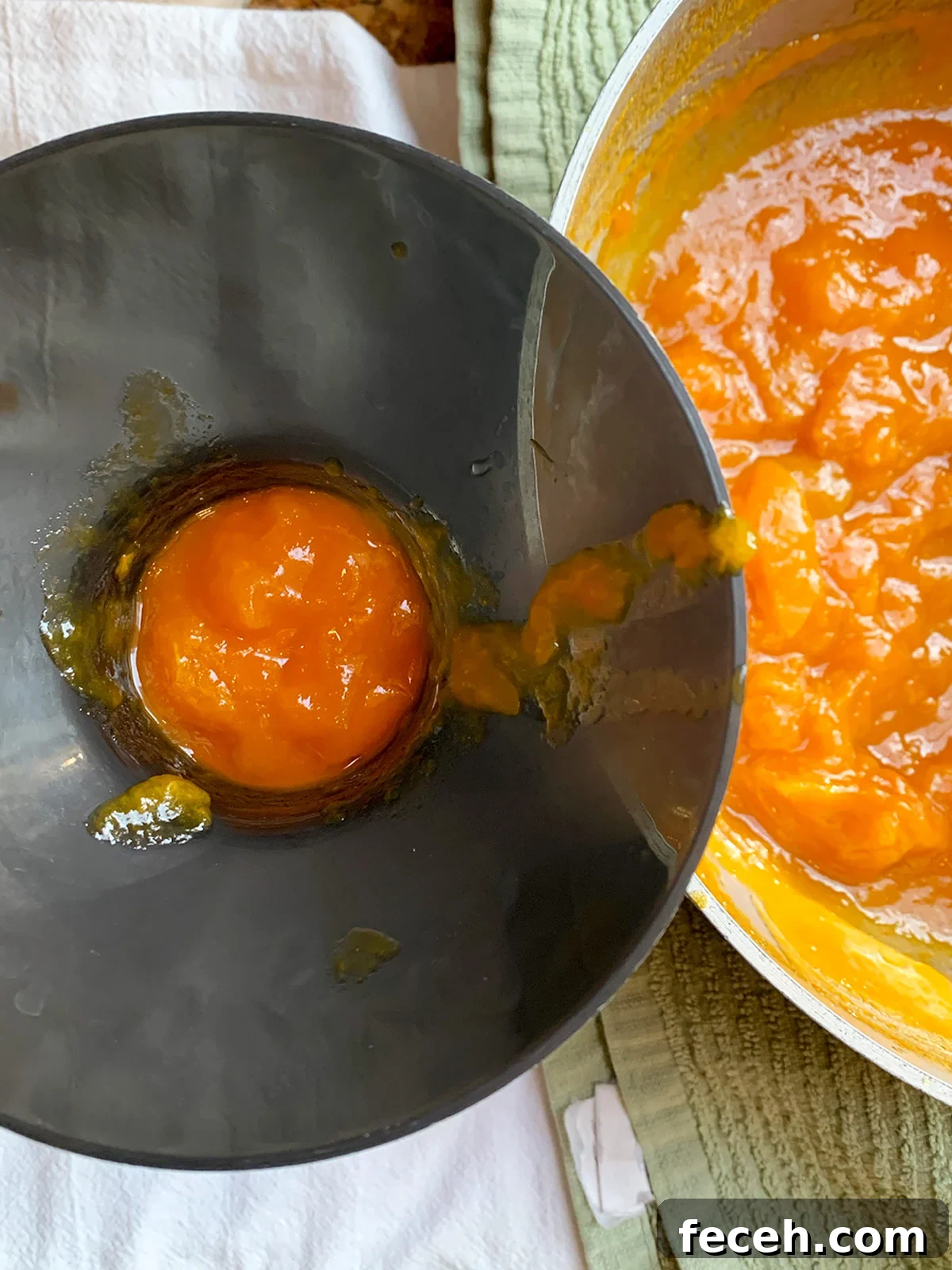
3. Maintain a vigorous boil and stir frequently to prevent scorching. A light foam will form on the surface; skim this into a small bowl. The foam is tasty—spread it on toast, stir it into yogurt, or spoon it over ice cream.
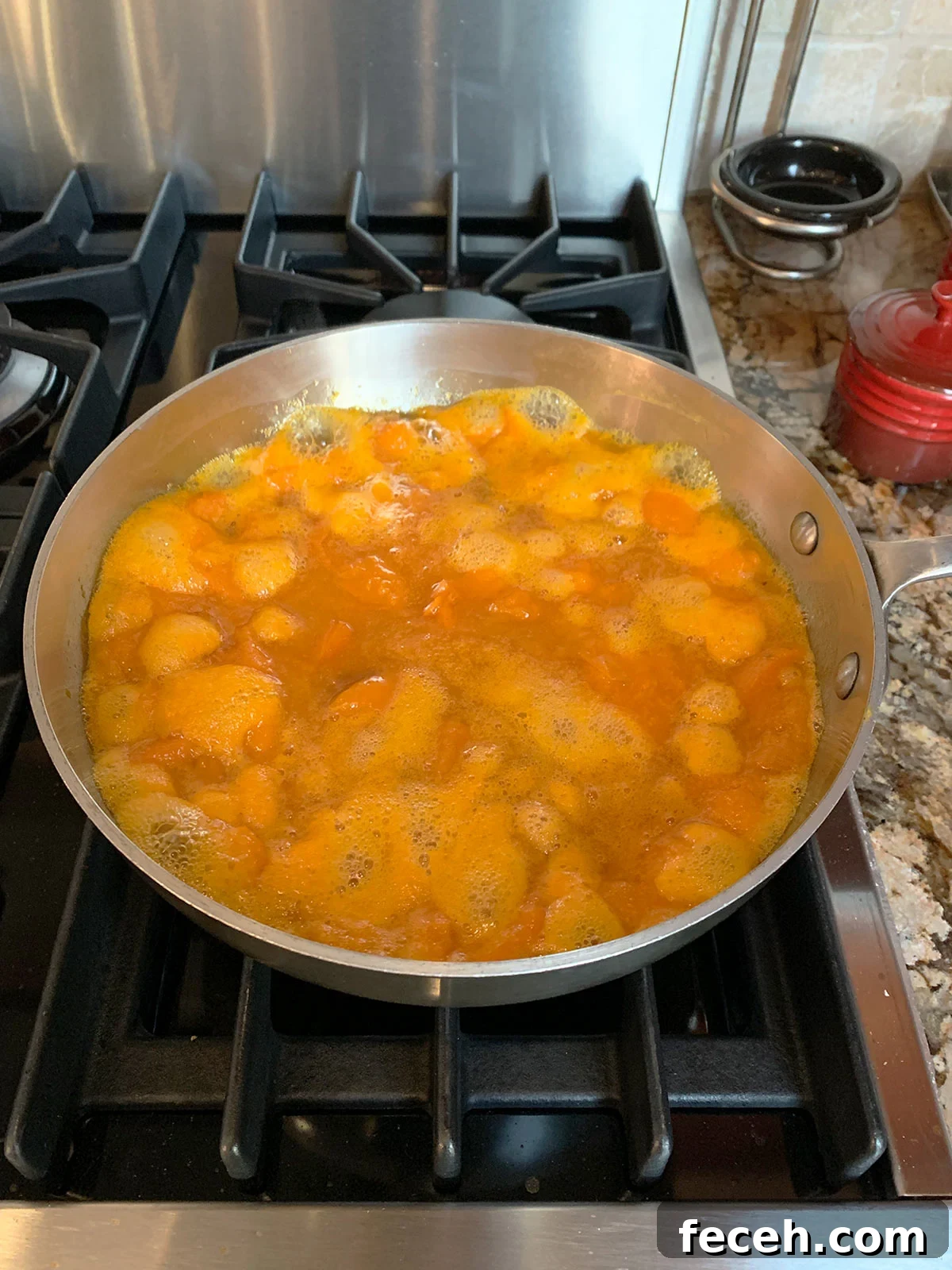
4. After about 10–15 minutes the fruit will break down, the mixture will become glossy, and syrup will cling to the sides of the pot. These are signs the preserves are thickening.
5. To test doneness, chill a small plate in the freezer. Drop a teaspoon of jam onto the plate, return it to the freezer for one minute, then press the jam with your finger. If it wrinkles and holds its shape, it’s ready. If it runs back together, cook a bit longer and test again.
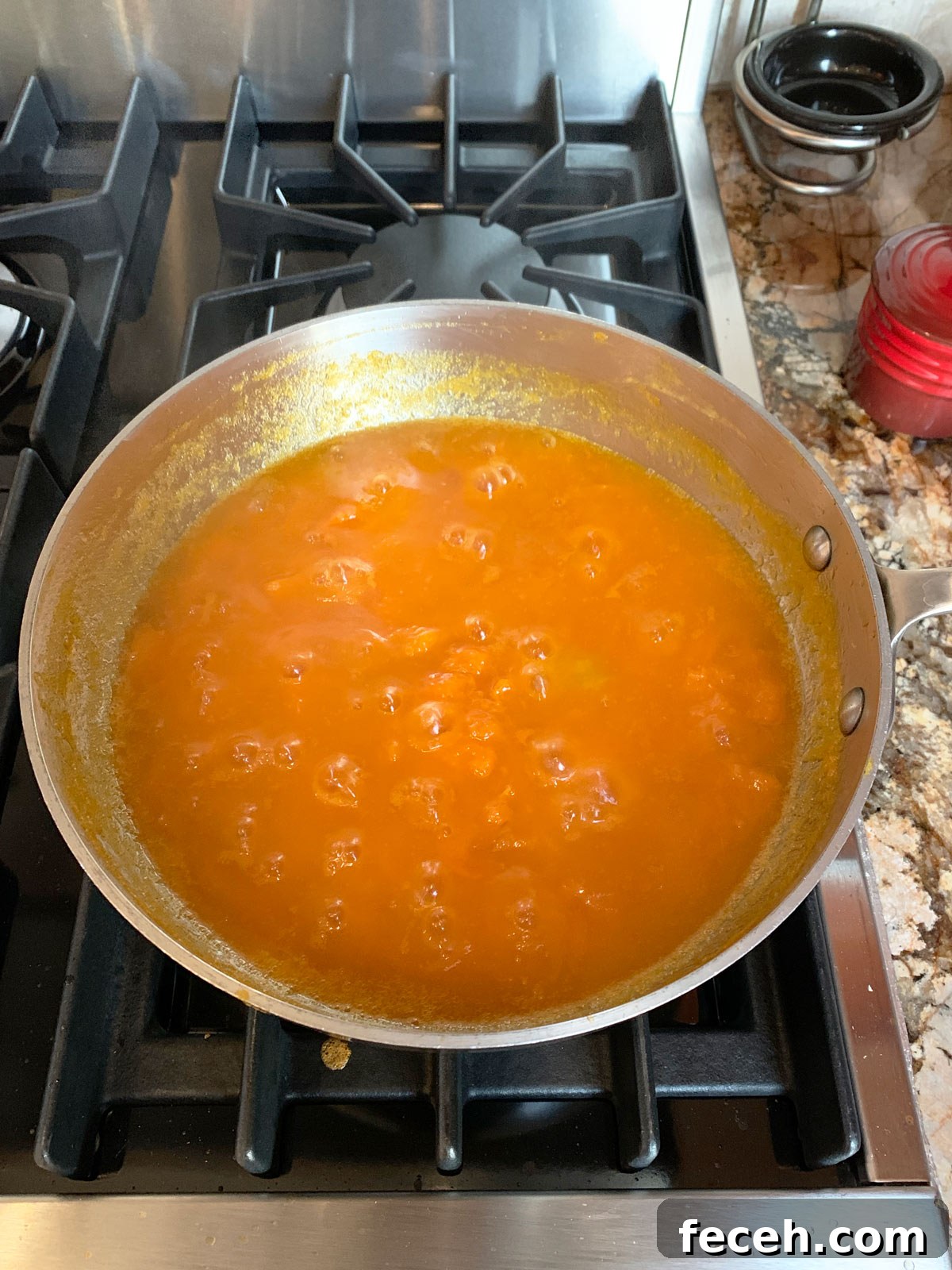
6. When the preserves are done, stir in the vanilla. If you want a stronger thyme note, briefly return the sprigs to the pot for another minute, then remove them. Ladle the hot preserves into clean jars, leaving about ½ inch of headspace if you plan to freeze them. Let jars cool, then refrigerate or freeze.
Beth’s expert tips and FAQs
- Seek out the best apricots you can find. Farmers’ markets and local orchard stands often have the most flavorful fruit. Buying seconds in bulk can be economical and still produce excellent preserves.
- If you prefer a firmer set and usually use pectin, you can add it according to package directions. This recipe is written to set primarily through reduction and the natural pectin in the fruit.
- Vanilla and thyme are optional but complementary. Even with just apricots, sugar, lemon juice, and zest, the preserves will be delicious.
- If you plan to can jars for long-term shelf storage, follow tested canning procedures. For small batches intended for immediate use, refrigeration or freezing is fast, safe, and convenient.
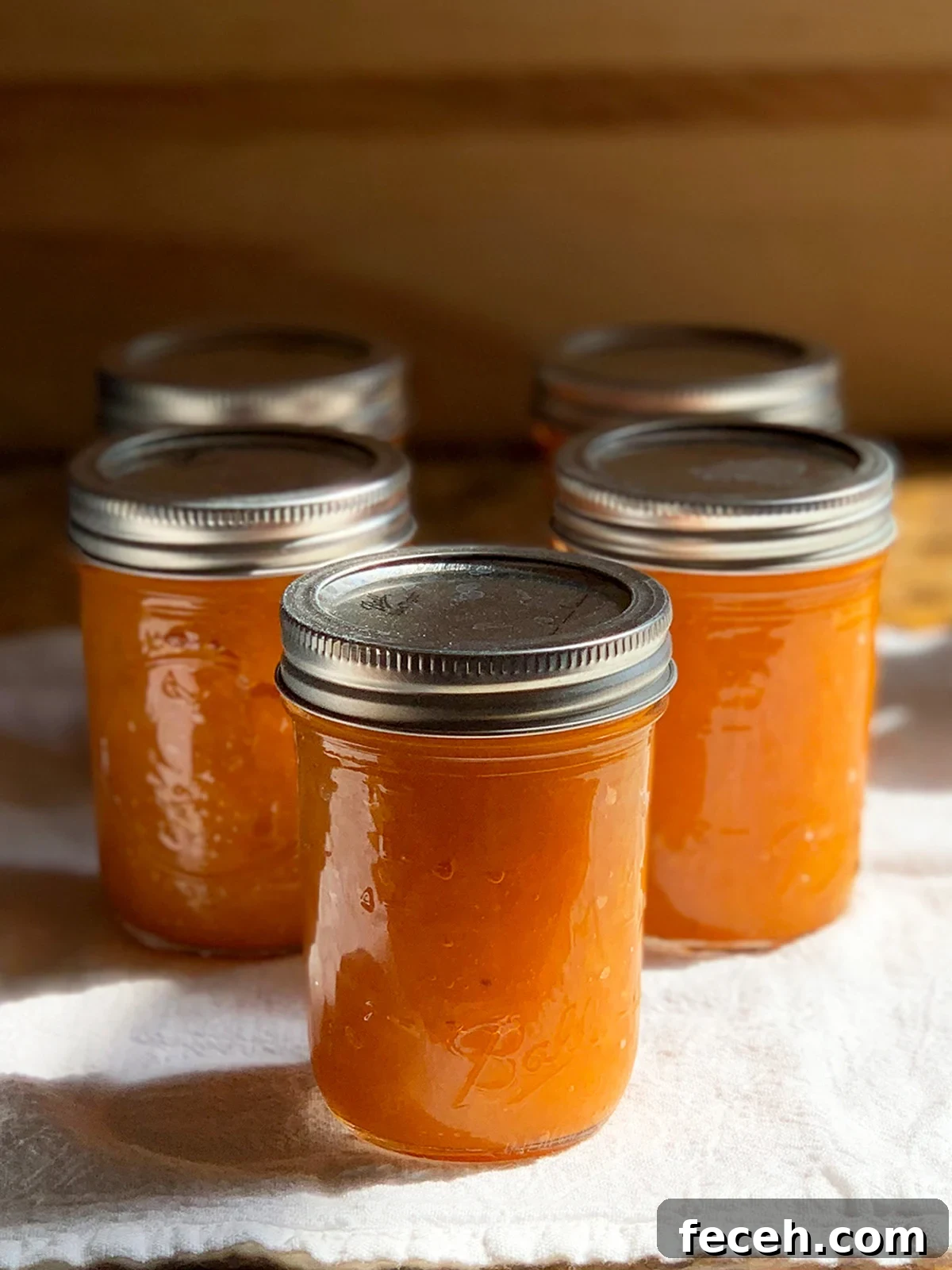
If jars and lids are clean and refrigerated, the preserves should keep about three to four weeks. In practice, they often get eaten sooner!
Yes. Leave roughly ½ inch of headspace in each jar to allow for expansion when freezing.
Preserves usually contain larger fruit pieces, while jam is more broken down and spreadable. If you mash the fruit completely, you’ll have jam rather than preserves.
Macerating with sugar draws out juices, creating a syrup that accelerates cooking and helps flavors like thyme or vanilla penetrate the fruit. It also reduces overall cooking time.
What to serve with apricot preserves
Apricot preserves pair beautifully with soft breads and rich dairy. Try them with challah rolls, warm toast, or folded into cheese blintzes. They’re also an elegant topping for mini cheesecakes or lemon cheesecake bars and make a lovely glaze for baked chicken or pork.





Other jam recipes
 Apricot Jam with Brown Sugar and Bourbon
-
Strawberry Raspberry Jam with Rosé Wine
-
Apricot Raspberry Jam with Orange
-
Fruit Compote: The Perfect Pancake Topper


Consider picking up my cookbook for more seasonal recipes and techniques.
P.S. If you try this recipe, please leave a rating or a brief review in the comments. Your feedback helps refine recipes and inspires future posts.
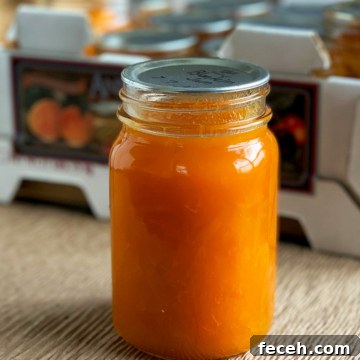
Apricot Preserves – Small Batch Recipe
This small-batch apricot preserves recipe showcases ripe fruit with a subtle lift from thyme and vanilla. It’s perfect for refrigerating or freezing and makes about three 8-ounce jars.
Ingredients
- 2 lbs apricots, pitted and coarsely chopped
- 3/4 cup sugar
- Zest of 1/2 lemon (about 1 teaspoon)
- Juice of 1/2 lemon (about 1 tablespoon)
- 2–3 thyme sprigs
- 1/2 vanilla pod or 1/2 teaspoon vanilla extract
Instructions
Prepare fruit
- Combine apricots, sugar, lemon zest, lemon juice, and thyme in a medium bowl. Mix well and refrigerate for a few hours or overnight to macerate.
- After macerating, remove the thyme sprigs and transfer the fruit and syrup to a heavy-bottomed pot.
Cook the preserves
- Bring the mixture to a boil over medium heat, then maintain a vigorous boil while stirring frequently to prevent sticking.
- Skim foam as it forms and save it if you like; it’s tasty on toast or with yogurt.
- After about 10–15 minutes the fruit will break down and the mixture will thicken and look glossy. Test doneness on a chilled plate: if a dab wrinkles when pushed, the preserves are ready.
- Stir in vanilla, briefly reintroduce thyme if you want a stronger herb note, then remove the sprigs. Ladle into clean jars, leaving about 1/2 inch headspace for freezing. Cool, then refrigerate or freeze.
Notes
- Choose the ripest apricots you can find for the best flavor. Farmer’s markets and orchard stands are good sources.
- If you prefer a firmer set, add pectin according to its package directions.
- Vanilla and thyme enhance the preserves, but the simplest version—apricots, sugar, lemon—will still be wonderful.
- This small-batch recipe omits full canning directions. If you plan to water-bath can for long-term shelf stability, consult a tested canning guide.
Nutrition
Calories: 28 kcal
Carbohydrates: 7 g • Sugars: 6 g
Protein: 1 g • Fat: 1 g • Fiber: 1 g
Enjoyed this post? Sign up for the mailing list to get new recipes and seasonal updates.

If you enjoy these recipes and want to support more testing and free content, consider a small contribution. It helps keep new ideas coming.