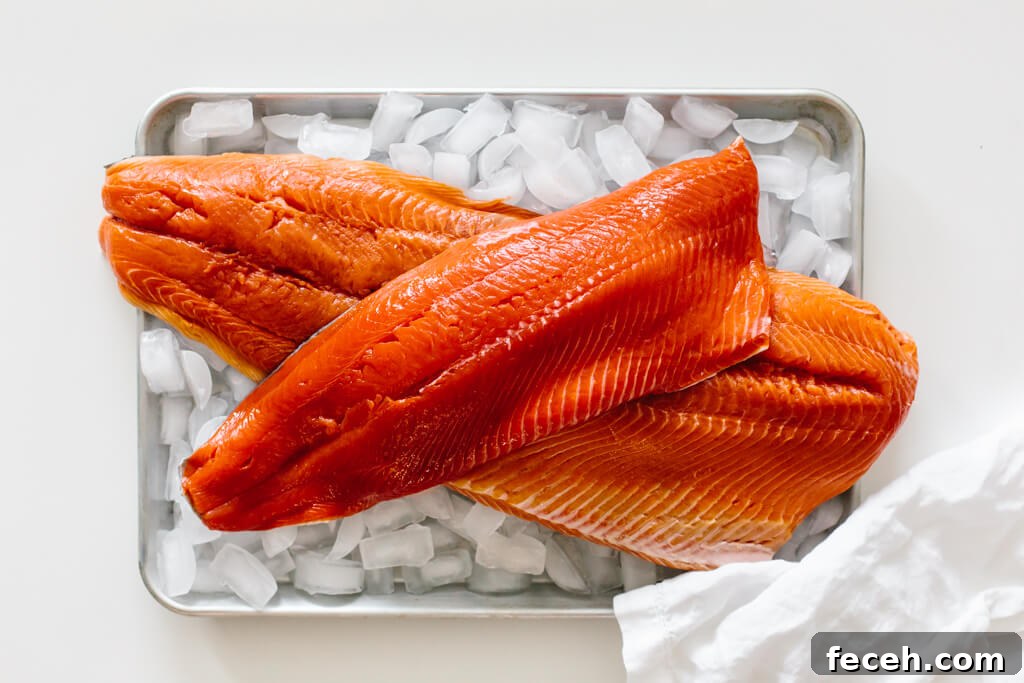
Ever wonder the difference between Coho Salmon, Sockeye Salmon and King Salmon? These three varieties are among my favorites and appear across many recipes on this site. Below I explain what makes each one unique so you can choose the best salmon for your next meal.
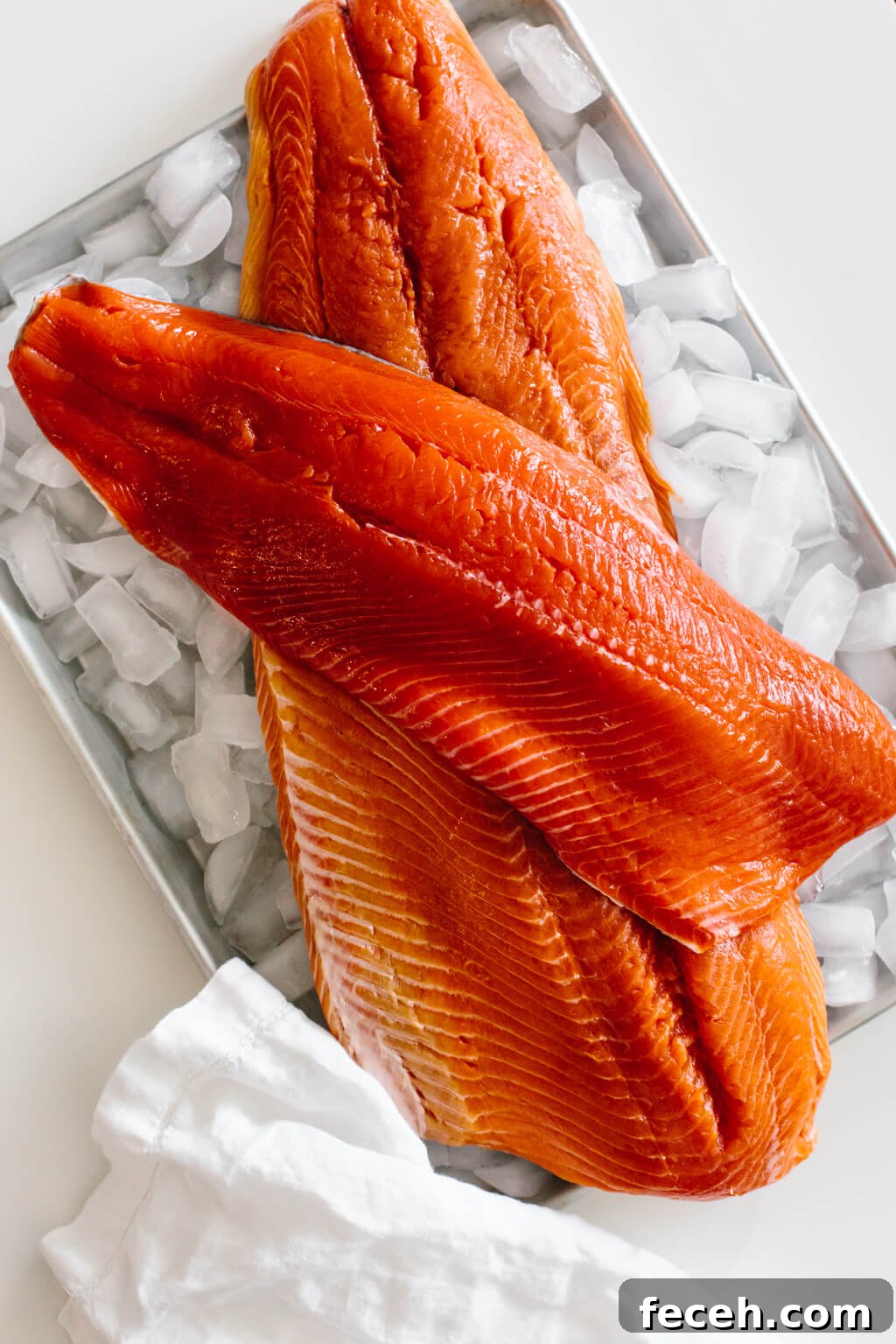
I’m a big fan of salmon — it’s rich in healthy fats, versatile in the kitchen, and delicious. If you browse my salmon recipes, you’ll notice I consistently recommend Coho, Sockeye, or King Salmon. These three species share an important trait: they are typically wild-caught rather than farmed. I avoid farmed salmon because it’s more likely to contain pollutants, antibiotics, and other contaminants.
All three types are excellent choices, but each has distinct characteristics. Here’s a practical guide to help you pick the right salmon for flavor, texture, and cooking method.
King Salmon (aka Chinook Salmon)
King Salmon is the largest of the Pacific salmon species and typically has the highest fat content, including abundant omega-3 fatty acids. That high fat level gives King Salmon a rich, buttery texture—thick, moist, and almost melt-in-your-mouth—so many consider it the most luxurious eating experience. Because of its richness and size, King tends to be pricier than other salmon, but many feel the flavor and texture justify the cost. King Salmon from Alaska is typically certified sustainable.
Availability: Wild King Salmon is commonly available fresh or frozen year-round.
Try it: King Salmon shines in preparations that highlight its buttery texture. Use it for baked fillets, rich salads, or recipes calling for a decadent, moist result.
Sockeye Salmon
Sockeye Salmon has a pronounced, deep flavor and vibrant red flesh. Its color comes from high levels of astaxanthin, a potent antioxidant, which together with omega-3s contributes nutritional benefits such as protection against inflammation. Sockeye is leaner than King but still offers excellent flavor intensity that stands up well to bold seasonings.
Availability: Wild Sockeye is typically available fresh from mid-May through mid-September, and frozen year-round.
Try it: Sockeye works well where vibrant color and assertive salmon flavor are desired—think salmon patties, grilled portions, or recipes where the salmon should shine through alongside strong complementary flavors.
Coho Salmon
Coho Salmon offers a milder, more approachable salmon flavor while still providing healthy fats. Its orange-red flesh is firm and holds up well on the grill, which makes Coho a popular choice for summertime barbecues. Coho’s texture and moderate fat level make it a great all-purpose salmon for those who prefer something less rich than King but more substantial than the leanest varieties.
Availability: Wild Coho is generally available fresh from mid-June through late October, and frozen year-round.
Try it: Coho is ideal for grilling, cedar-plank preparations, and recipes that benefit from a firm fillet that remains moist without being overly fatty.
Why I Avoid Atlantic Salmon
I avoid Atlantic Salmon because most of it is farmed. Farmed salmon can present several issues compared with wild-caught varieties:
- Lower nutritional value when fish are fed diets heavy in grains and plant-based ingredients rather than natural marine diets.
- Dense, crowded conditions that can compromise fish health and welfare.
- Use of antibiotics, pesticides, and other treatments that can leave residues.
- Higher likelihood of containing industrial pollutants like PCBs in some farmed stocks, and the risk that escaped farmed fish may contribute to invasive populations and ecological disruption.
Choosing wild-caught Coho, Sockeye, or King Salmon helps ensure better flavor, higher omega-3 content, and a product that aligns with sustainable seafood practices. Each species has its strengths—King for richness, Sockeye for bold flavor and color, and Coho for balanced, grill-friendly texture—so pick the one that best suits your recipe and taste preferences.