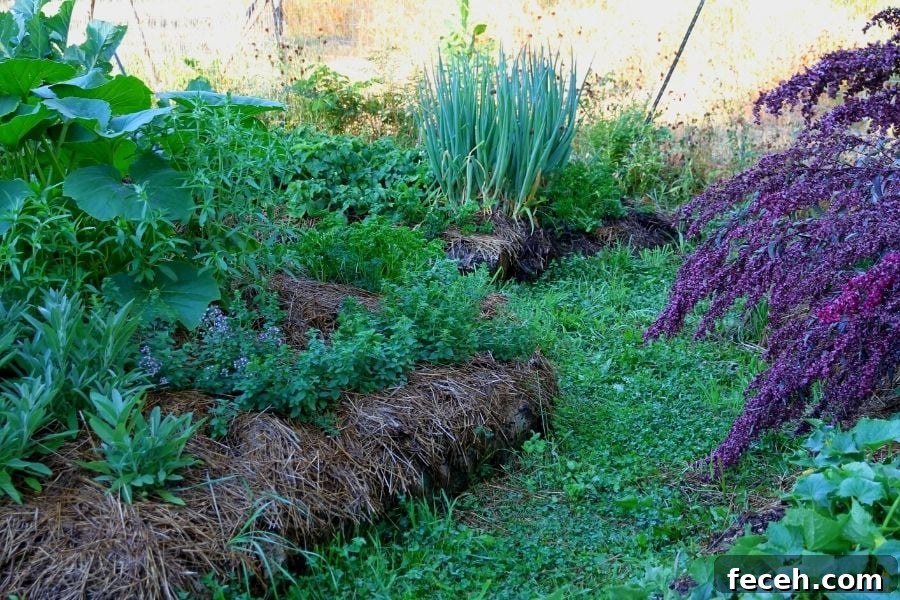
Have you ever wondered what the second year in a hugelkultur garden looks like? Here are the observations and lessons I learned during year two working with my hugelkultur beds.
A Second Year in the Hugelkultur Garden Beds
My hugelkultur beds have drawn a lot of interest, so I’m sharing what happened in the second growing season. These raised, wood-based beds behave differently as they settle and decompose, and year two brought a mix of pleasant surprises and valuable lessons.
In case you missed it, I previously shared how to build hugelkultur beds and the basics of construction.
Below are the most important lessons I learned in year two.
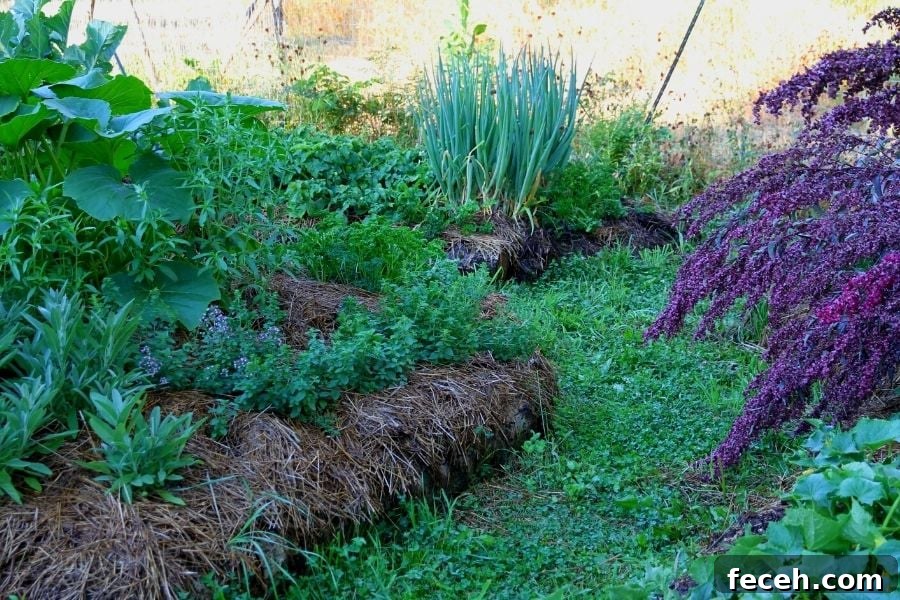
Lesson 1: My Hugelkulturs Needed More Soil
When the snow melted in early spring of year two, the beds had noticeably settled. That’s normal when you build on top of logs, branches and other woody material—gaps and compression appear as the wood breaks down.
Settling is a good sign; it means the beds are maturing. To compensate, we removed the old, mostly decomposed straw mulch and added about 4–6 inches of quality topsoil to each bed, taking care to rake and level it well. That extra soil restored depth for roots and improved planting conditions.
Lesson 2: Soil Stays In Place When You Have Raised Edges
In the first year I noticed soil slipping off the log frames around the edges. Perimeter soil became shallow and plants near the sides dried out more easily.
Looking back, adding a second row of smaller logs along the perimeter after laying the hotter, inner layers would have been helpful. I didn’t make that change until spring of year three, when I added 3–4 inch diameter logs to form low walls. Those extra inches held soil better, deepened the edge soil and made it easier to keep plants moist.
Lesson 3: It’s Best to Mulch Hugelkultur Beds in the Fall
Hugelkulturs benefit from annual mulching, and in my cold climate the best time to apply mulch is in the fall. A thick straw layer protects the soil through winter and, once snow covers the beds, keeps everything insulated.
When spring arrived, the straw was largely intact and the beds were ready to plant with minimal prep. By late season much of the mulch will have decomposed, which is fine because large plants naturally suppress weeds at that point. Putting the beds to bed properly in fall made spring planting simpler and more enjoyable.
Make raised garden beds that last a lifetime!
My step-by-step guide covers how to build durable hugelkultur raised beds with material lists, troubleshooting and practical tips to help you succeed.
Lesson 4: A Wet Spring May Lead to Slug Problems
Year two brought an unusually wet and cool spring. Excess moisture created ideal conditions for slugs, and they became a major pest. Seedlings and tender greens were especially vulnerable—beans, hollyhocks and echinacea suffered heavy damage, and I had to replant cucumbers multiple times.
Without natural predators (ducks would have been ideal), I adjusted my watering and bed management. I switched from overhead sprinklers to targeted watering with a can to reduce surface moisture, and I pulled back straw mulch in affected areas so the soil dried more quickly. Those measures helped reduce slug pressure. Having ducks now provides an additional, natural defense.
Lesson 5: Most Vegetables Grow Well in Hugelkulturs
One key insight from two seasons of hugelkultur gardening is that success depends on good planting soil. I initially doubted whether cool-season crops like lettuce or spinach would thrive, but year two proved many crops do well.
Herbs, flowers, leafy greens, tomatoes and most common vegetables grew happily in the beds when fed with quality soil and proper care.
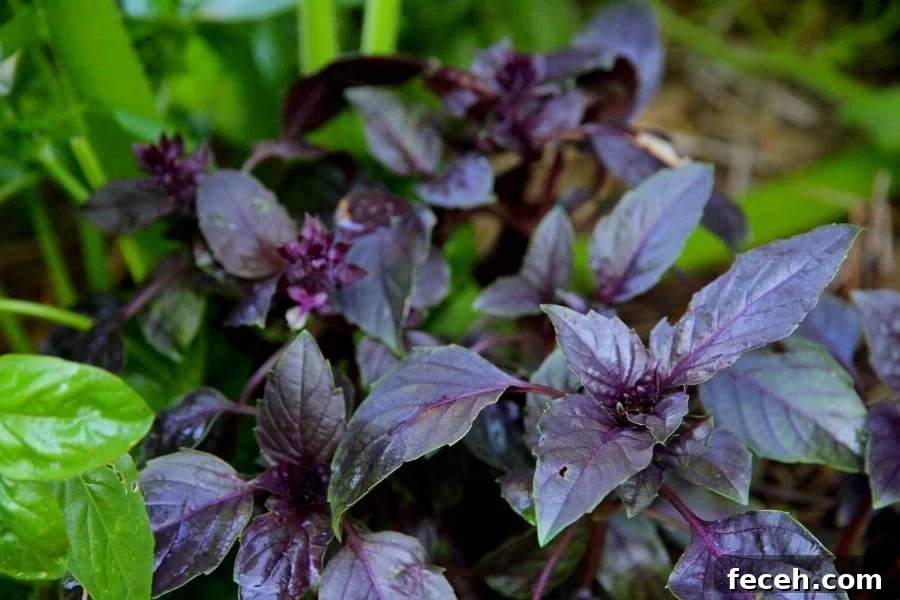
The main exceptions for me were some brassicas—cabbage, kale, broccoli and cauliflower struggled. I suspect soil acidity or another soil condition is the cause, since these crops have underperformed in my hugelkultur beds so far.
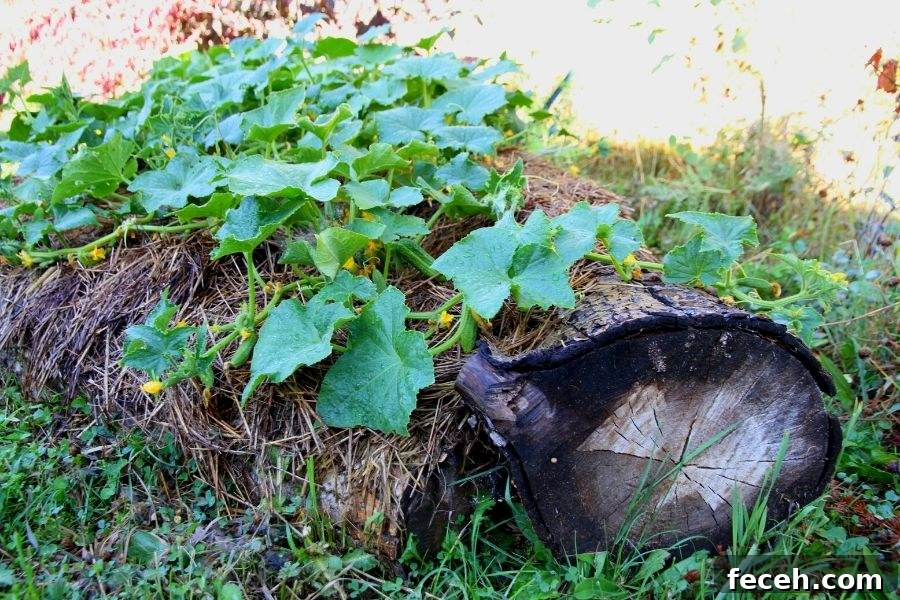
My Goal For These Hugelkultur Garden Beds
After experimenting with a range of herbs and vegetables, I’m ready to develop a true kitchen garden built around perennials, herbs, flowers and self-sustaining plantings. Over time I plan to establish beds that require less annual replanting and provide continuous harvests of herbs, cut flowers and edible greens.
Piece by piece, the garden is coming together. With several seasons of experience, I’m moving toward the perennial kitchen garden I’ve envisioned—one stocked with fresh herbs for the kitchen, seasonal flowers for cutting, and reliable perennial contributors. Hugelkultur has brought me several steps closer to that goal.