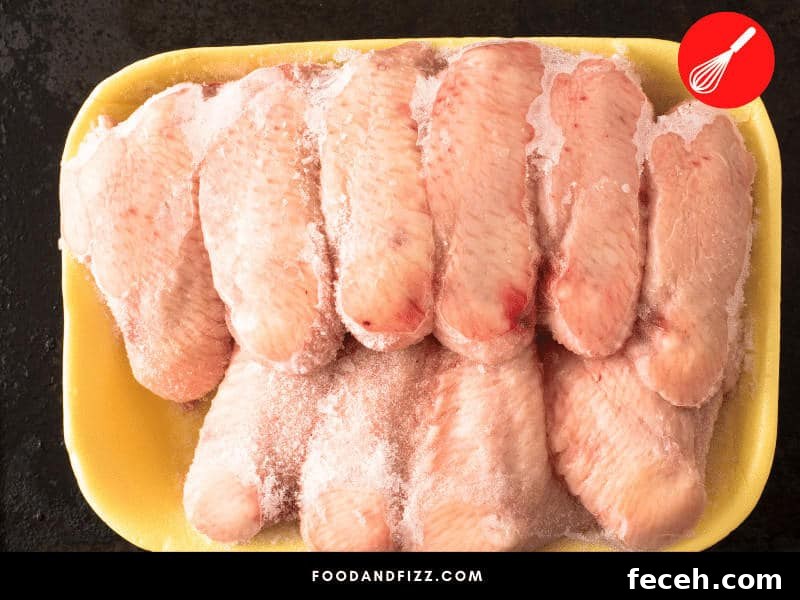
Chicken is one of the most versatile proteins: you can bake, fry, roast it, or add it to salads and sandwiches. Because of this flexibility, chicken remains a staple in many diets.
However, raw chicken can carry harmful bacteria, so proper storage and handling are essential. Freezing is a common way to preserve chicken, but is frozen chicken safe to eat? Below I explain what to know about safety, storage, and preparation.
Table of Contents
Can You Safely Eat Frozen Chicken?
Yes. If chicken has been kept frozen continuously, it is safe to prepare and eat. Freezing preserves the meat and prevents bacterial growth while frozen. The key is to handle and cook it properly after thawing or to cook it safely from frozen.
How Safe is Frozen Chicken?
When kept at 0°F (-18°C) or below, frozen chicken remains safe essentially indefinitely, but quality declines over time. For best texture and flavor, follow general guidelines: whole chicken up to about 12 months, chicken parts up to nine months, ground chicken or giblets 3–4 months, and cooked chicken around four months.
Storage temperature affects quality too: chicken stored at warmer freezer temperatures will lose quality sooner than chicken held at 0°F (-18°C).
Is Frozen Chicken Healthy?
Frozen chicken is nutritionally similar to fresh chicken. While some minor nutrient loss can occur during freezing and storage, when properly packaged the difference is negligible. Frozen chicken still provides the same core benefits of protein, vitamins, and minerals.
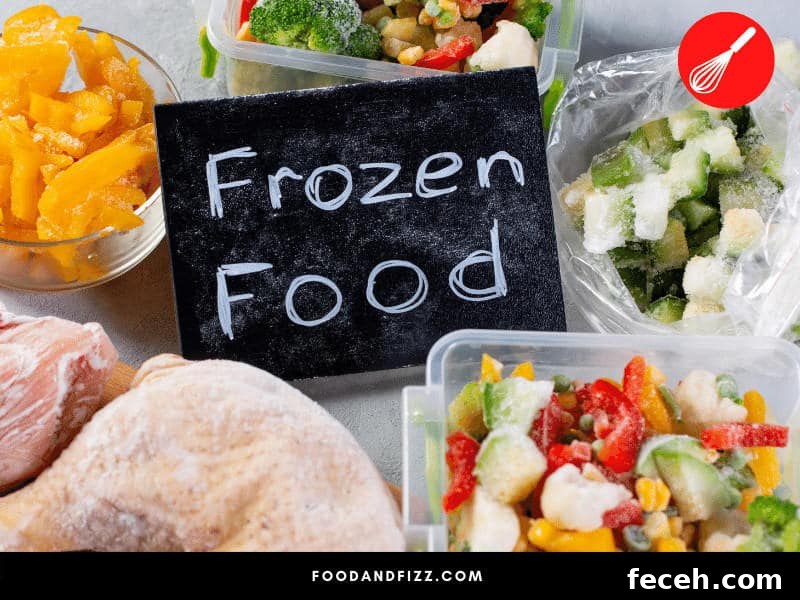
Can You Cook Chicken Straight From a Freezer?
Yes. Small pieces like diced or sliced chicken can be cooked directly from frozen; just be sure the internal temperature reaches 165°F (73.8°C). For larger pieces such as breasts or thighs, baking or roasting from frozen works well—plan for roughly 50% longer cooking time than the recipe indicates to ensure the center reaches a safe temperature.
Oven methods are particularly reliable for larger frozen pieces because they provide even, sustained heat that helps the meat reach a safe internal temperature without overcooking the exterior.
Tips for Cooking Frozen Chicken
Use these practical tips to improve results when cooking frozen chicken:
- Coat the chicken with a fat such as butter, olive oil, mayonnaise, or yogurt. This adds flavor and helps prevent the exterior from drying while the inside cooks.
- For large pieces, arrange them in a single layer on a baking sheet so they cook evenly. Add hardy vegetables if desired, but add delicate items later so they don’t overcook.
- Always check doneness with a food thermometer: the safe internal temperature for chicken is 165°F (73.8°C).
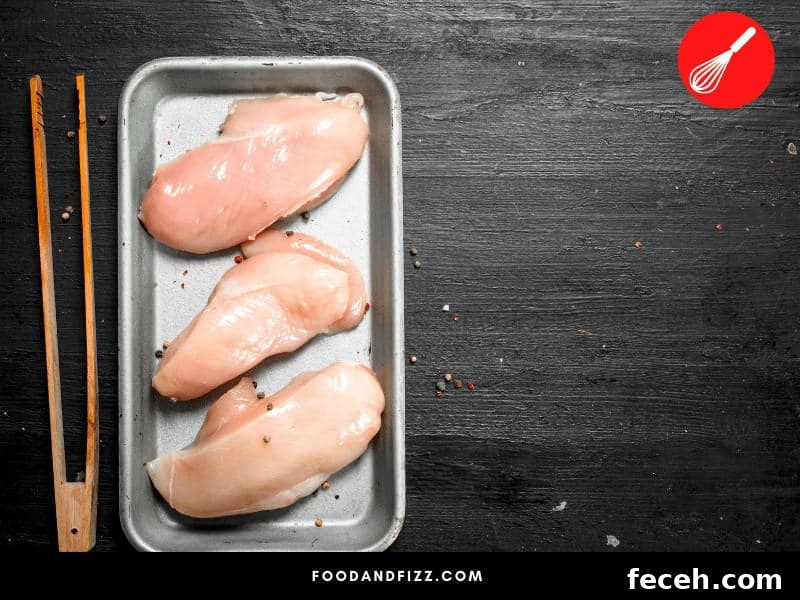
Can You Cook a Whole Chicken From the Freezer?
Cooking a whole chicken straight from frozen is not ideal because the interior can remain undercooked while the exterior browns. If you must, follow careful steps to help it cook through: let it sit at room temperature for 20–30 minutes, start roasting at a moderate temperature (around 350°F / 175°C) for an extended period, and increase the heat near the end to brown the skin. Always verify the thickest part reaches 165°F (73.8°C) before serving.
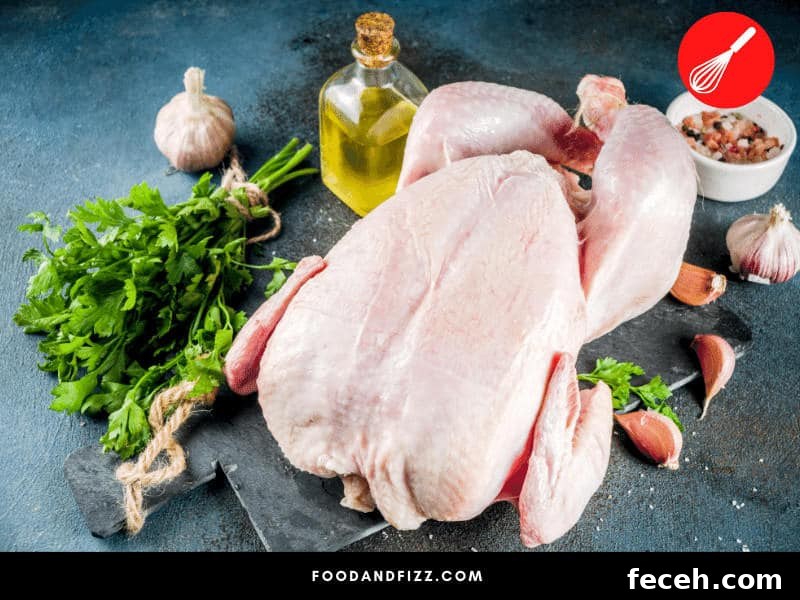
Is Frozen Chicken Already Cooked?
Some frozen products may look pre-browned, but unless labeled “fully cooked” or “ready to eat,” treat them as raw. Follow package instructions and always cook to an internal temperature of 165°F (73.8°C) when required. A food thermometer is the only reliable way to ensure safety.
How Can You Safely Defrost Chicken?
Three safe defrosting methods are commonly recommended:
1. The Refrigeration Method
Place frozen chicken in the refrigerator and allow it to thaw slowly—this usually takes about 24 hours for most pieces. Once thawed, cook within two days for best quality and safety.
2. Using Cold Water
Submerge the sealed chicken in cold water, changing the water every 30 minutes. Small pieces can thaw in about an hour; larger pieces may take 2–3 hours. Cook immediately after thawing.
3. Microwaving
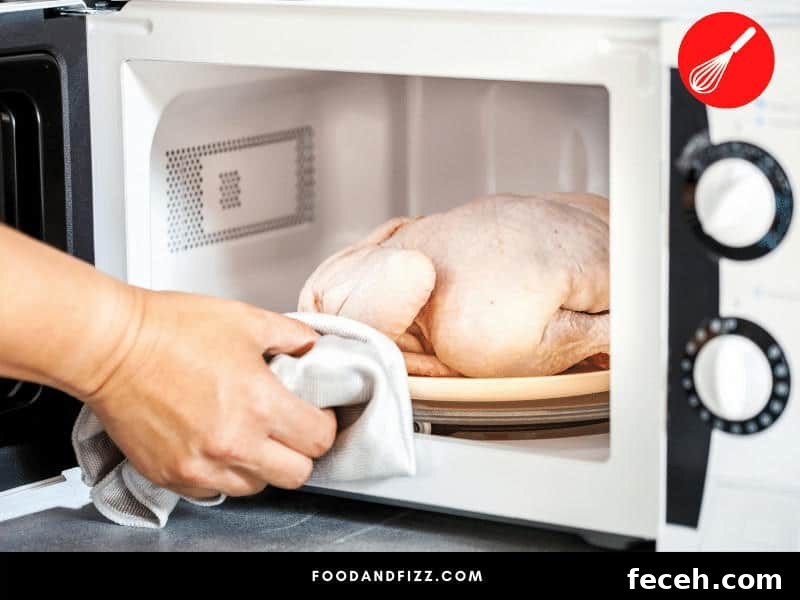
Use your microwave’s defrost setting for a quick thaw. Times vary by microwave and size: pieces may take around 6 minutes, a whole chicken longer. Cook immediately after microwaving since some areas may begin to cook during defrosting.
What Happens When You Cook Chicken Before Defrosting?
Cooking frozen chicken without thawing is possible, but it takes longer. Increase cooking time—roughly 50% longer than the recipe’s recommended time—to ensure the center reaches 165°F (73.8°C).
Final Thoughts
Frozen chicken is safe to eat when stored and handled correctly. It retains nutritional value comparable to fresh chicken, and whether cooked from frozen or after thawing, it must reach an internal temperature of 165°F (73.8°C) to be safe.
Frequently Asked Questions
How Can I Tell That My Chicken is Not Good?
Signs of spoilage include a sour or acidic smell, slimy texture, and discoloration (gray-green hues). If you notice these signs, discard the chicken.
How Do I Properly Store Chicken in the Freezer?
Use airtight packaging or bags to prevent freezer burn and limit exposure to air. Label packages with dates and store at 0°F (-18°C) or lower for best quality.
At Room Temperature, How Long Can Frozen Chicken Sit Out?
Do not leave chicken out for more than two hours (or one hour if ambient temperature is above 90°F / 32°C). Use a thermometer to check that the meat remains below safe temperature thresholds during preparation.