
Blood sausage is exactly what the name suggests: a sausage made primarily from animal blood combined with other ingredients such as fats, grains, spices, and sometimes meat scraps. Traditionally stuffed into a natural casing, it is usually boiled and often pan-fried or grilled in slices before serving. Blood sausage appears in many culinary traditions worldwide, although its popularity has declined in some regions.

What is Blood Sausage
What Blood Sausage Is Made Of
The core ingredient in blood sausage is animal blood. Pork blood is most common, but recipes can also use blood from cattle, sheep, goat, duck, chicken or other animals depending on local customs and availability.
Common Additional Ingredients
Blood sausage recipes vary widely by region. Besides blood, many versions include bulking agents like grains (barley, oats, rice), flours, bread, or root vegetables. Fat and meat trimmings often add richness, while onions, garlic, dried fruits, nuts, or raisins introduce texture and flavor contrasts. Seasonings range from simple salt and pepper to spices and herbs such as allspice, thyme, cumin, cinnamon, ginger or chili. The exact combination defines the distinct character of each regional variety.
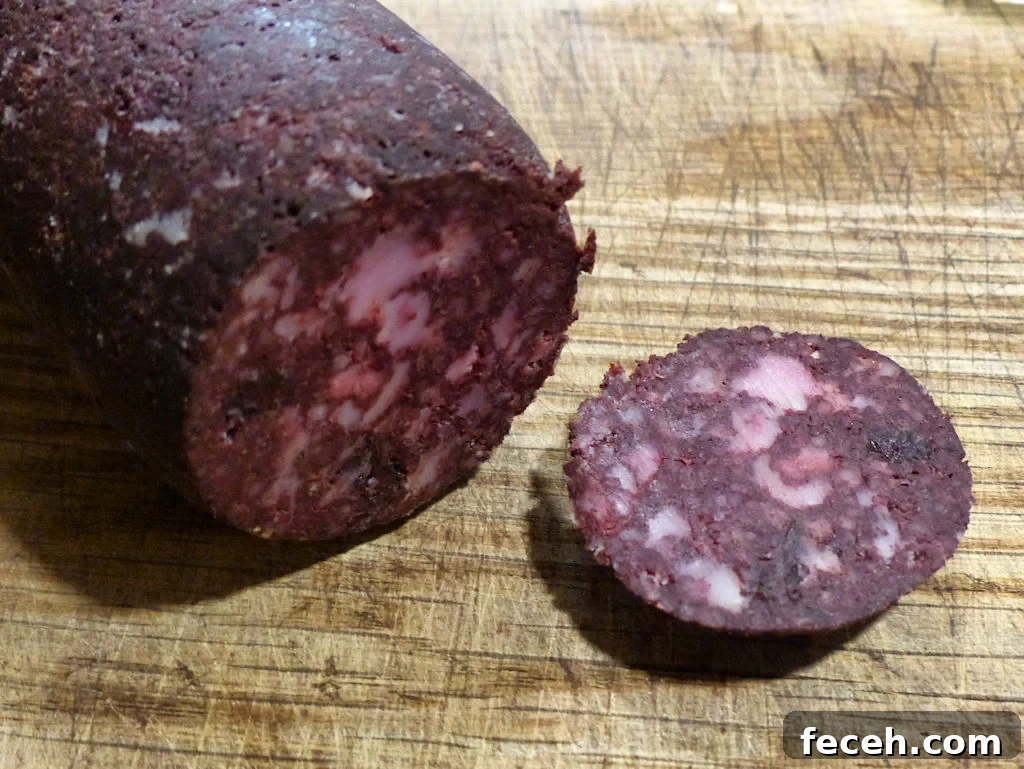
Uncooked Blood Sausage
Black Pudding
Black pudding is the name commonly used for blood sausage in the United Kingdom and Ireland. The term “pudding” in this context likely stems from an Anglicized form of the French word boudin, meaning sausage. Black pudding typically combines pig’s blood with oats or barley, suet, and spices, and is often served sliced and fried as part of a traditional breakfast.
Blood Sausage Through History
Using blood in sausages is an ancient practice. Blood spoils quickly after slaughter, so mixing it with grains or other ingredients and encasing it allowed people to preserve this nutritious resource. One of the earliest literary references appears in Homer’s Odyssey (circa 800 B.C.), where a roasted sausage filled with fat and blood is mentioned. Historically, many cultures used all parts of an animal, including blood, to minimize waste and maximize nutrition. Today, while still valued in many cuisines, blood and blood products are sometimes repurposed as animal feed or fertilizer where consumption has declined.
Regional Varieties Around the World
Different countries have their own names and preparations for blood sausage, often translated literally as “blood sausage” in the local language: blodpølse (Denmark, Norway), blodkorv (Sweden), blutwurst (Germany), bloedworst (Netherlands), verivorst (Estonia), chouriço de sangue (Portugal), boudin noir (France), longganisang dugo (Philippines), and morcilla or morcela (Latin America).
United Kingdom
Black pudding typically contains pig’s blood, oats or barley, suet, onion, and warming spices. It’s often sliced and fried for breakfast, served as an appetizer with scallops, or battered and deep-fried as a takeaway item. Stornoway black pudding from the Isle of Lewis has Protected Geographical Indication (PGI) status.
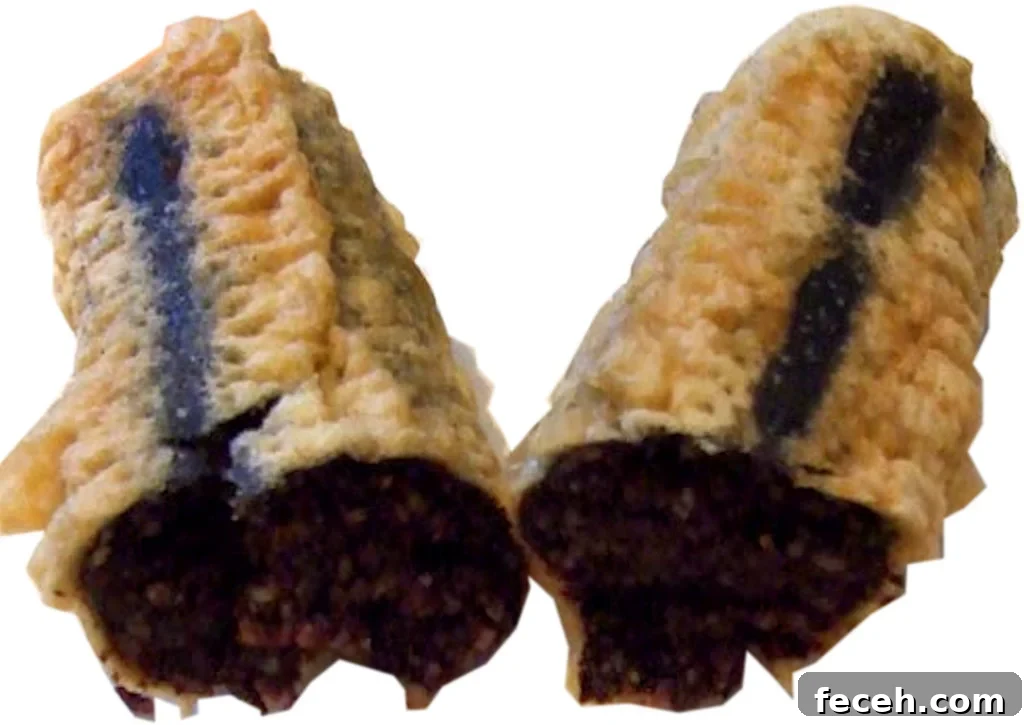
British Battered Black Pudding
Latin America
Morcilla often includes rice as a filler and is enjoyed at barbecues, in sandwiches, or as a holiday dish. Regional variations include additions like peas, cilantro, pine nuts, chocolate, orange peel, or raisins.
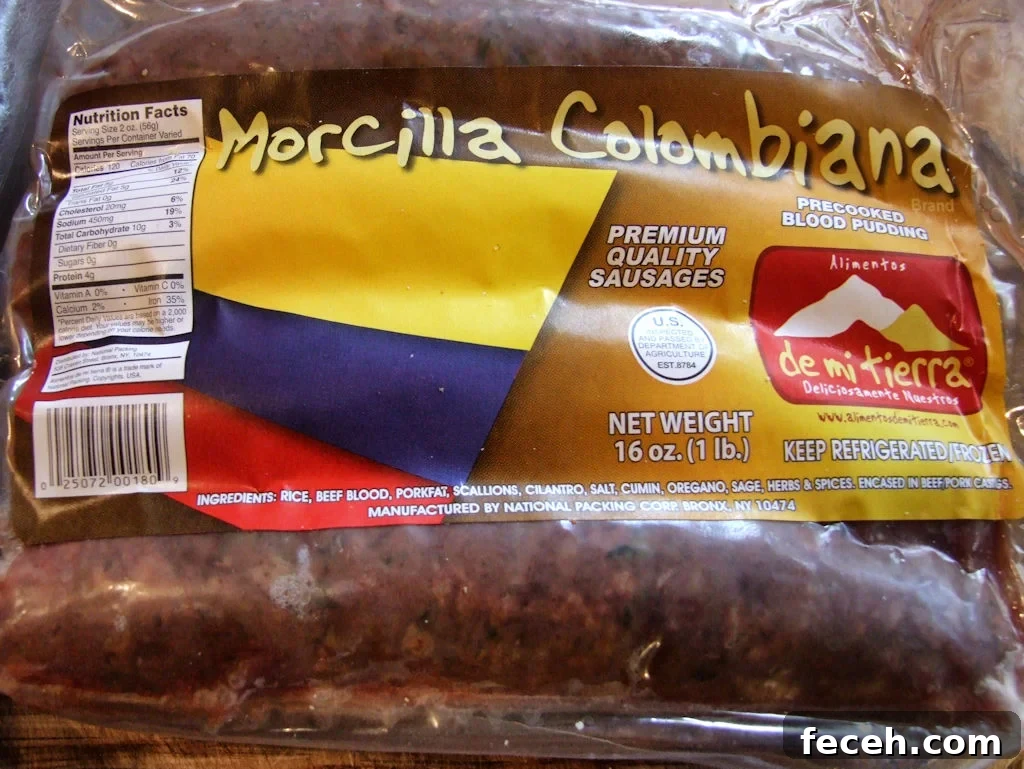
Morcilla
Denmark
Blodpølse is often a seasonal item found around Christmas. It can include cinnamon, raisins, brown sugar and rye flour, and is traditionally fried and served with apples and syrup.
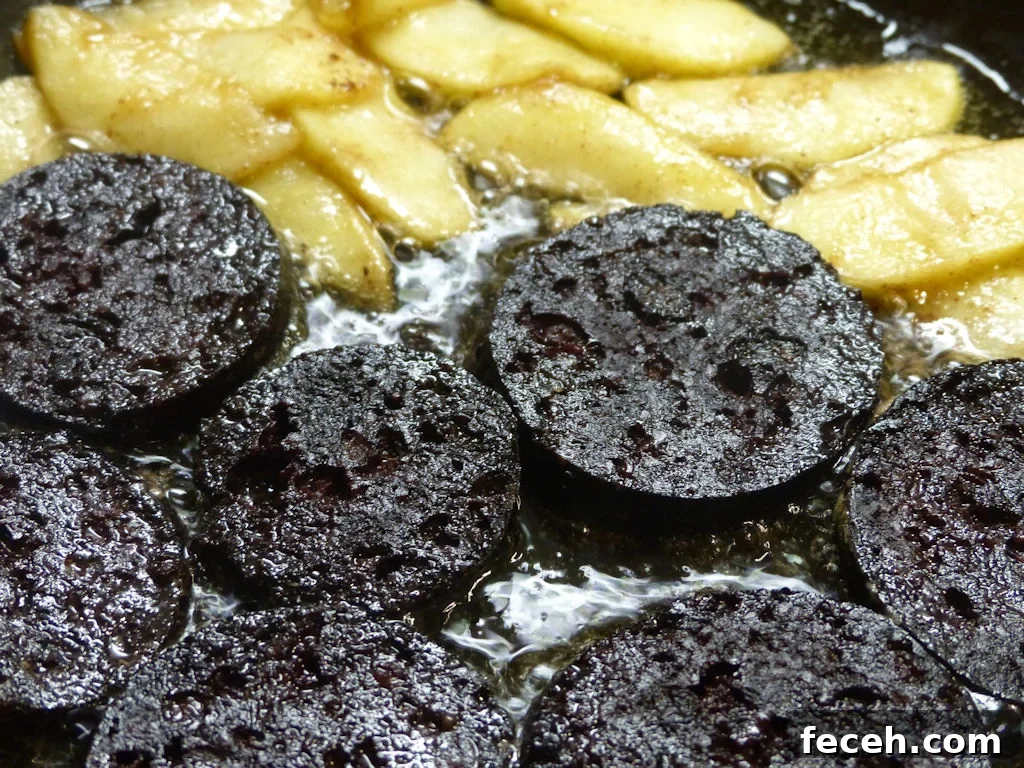
Danish Blodpølse fried with Apples
France
Boudin noir often features apples, potatoes or cream alongside the blood-based mixture. It is a classic element of French charcuterie.
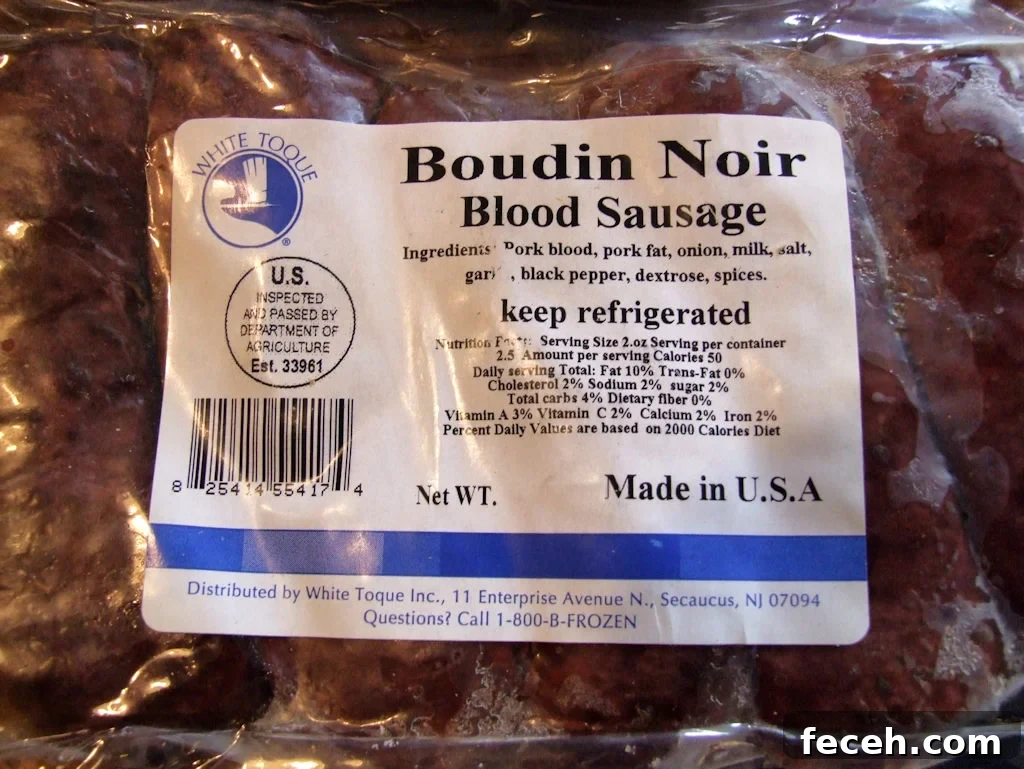
Boudin Noir
Poland
Known as kiszka (or kiska), Polish versions are often made with beef blood and are commonly available in delis. The flavor can be similar to UK black pudding.
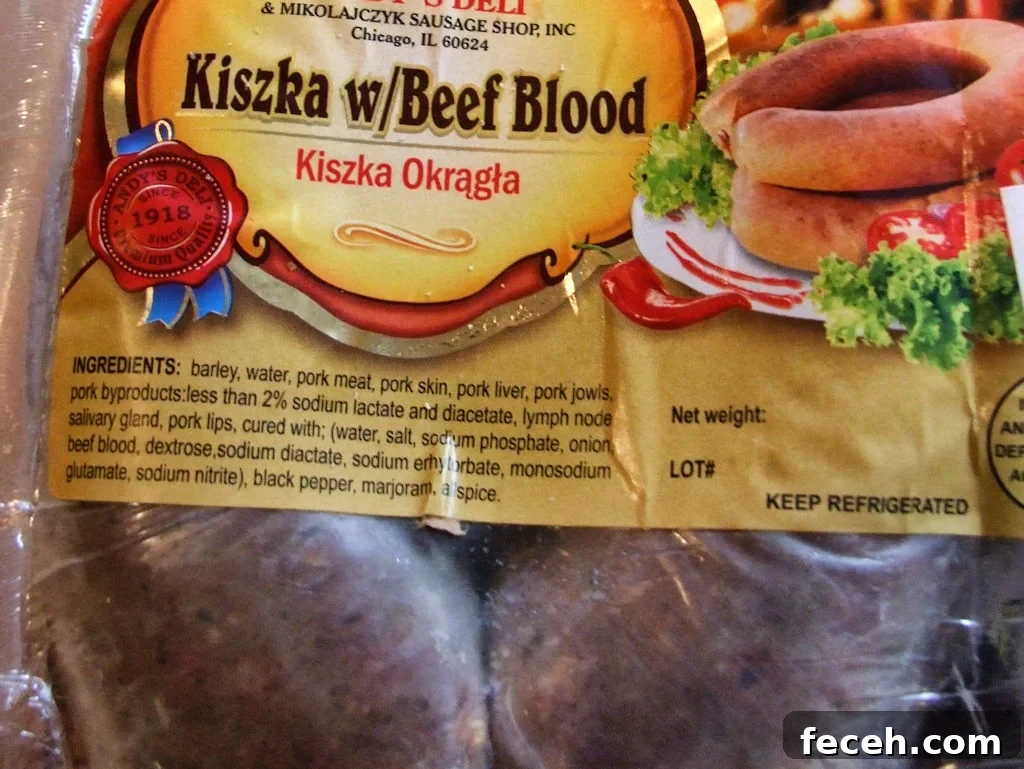
Polish Kiska Blood Sausage
Sweden
Blodpudding commonly contains milk, beer, treacle and rye flour and is typically served fried with lingonberry jam or other condiments.
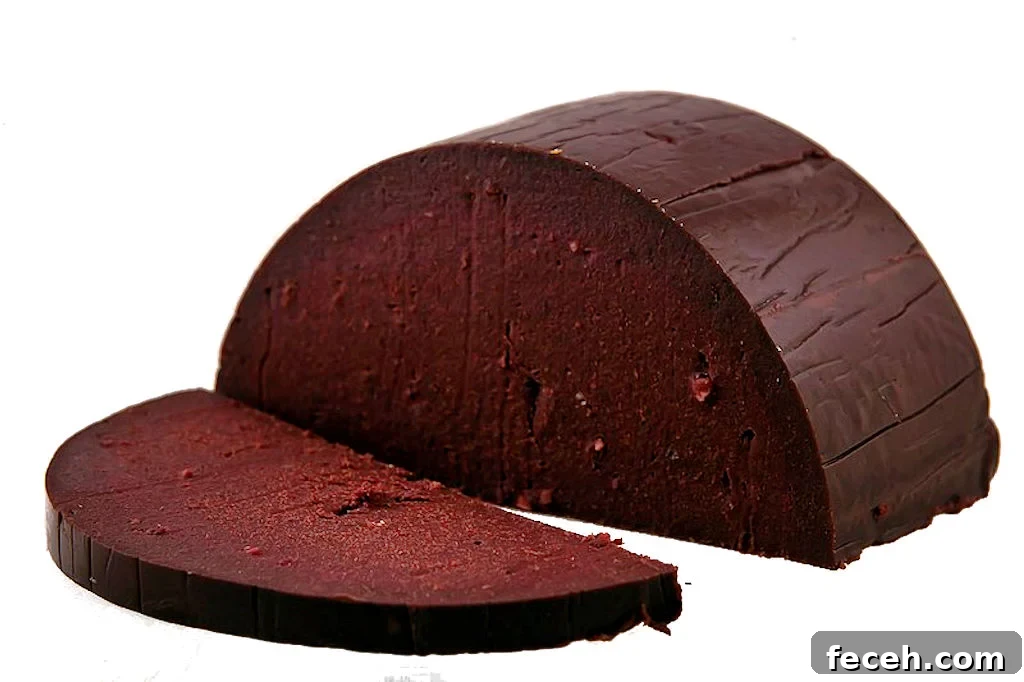
Swedish Blodpudding
Flavor Profile
Taste varies by recipe, but blood sausage is generally savory and rich, with a slightly sweet undertone and a subtle metallic note from the blood. Texture ranges from crumbly and grainy to smooth and dense, depending on fillers and preparation. Many who try it are pleasantly surprised by its complex, satisfying flavor.
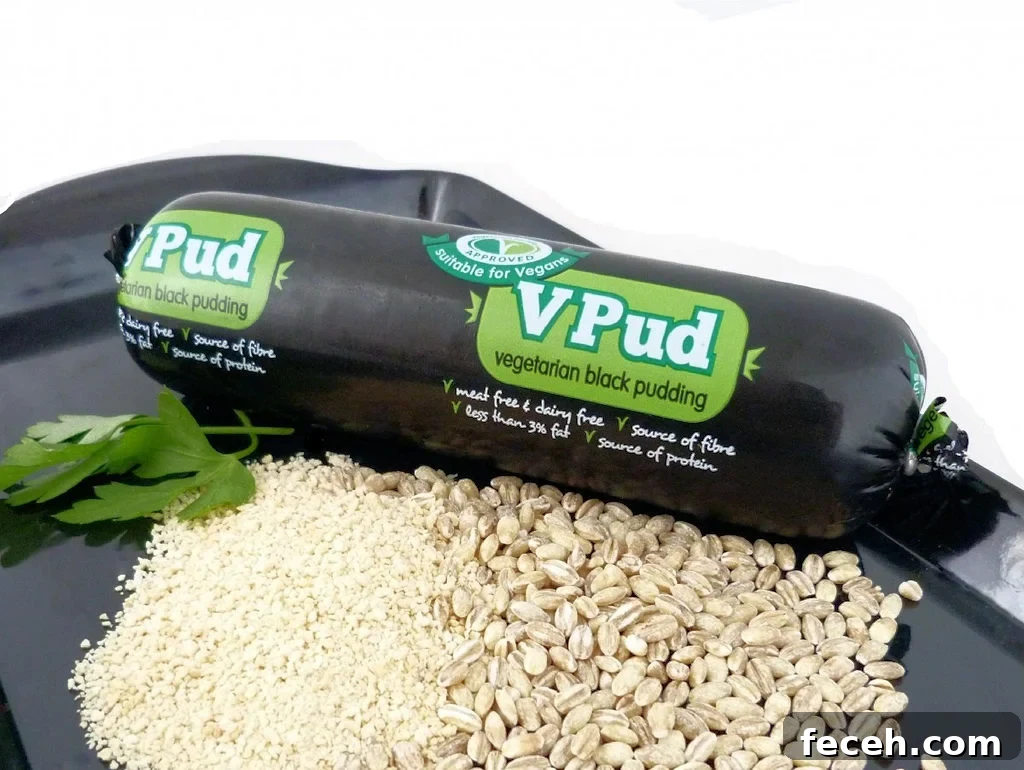
Vegetarian Black Pudding
Modern alternatives include vegetarian and vegan versions that mimic the texture and seasoning of traditional black pudding without using animal blood. These offer a similar culinary experience for those who avoid animal products.