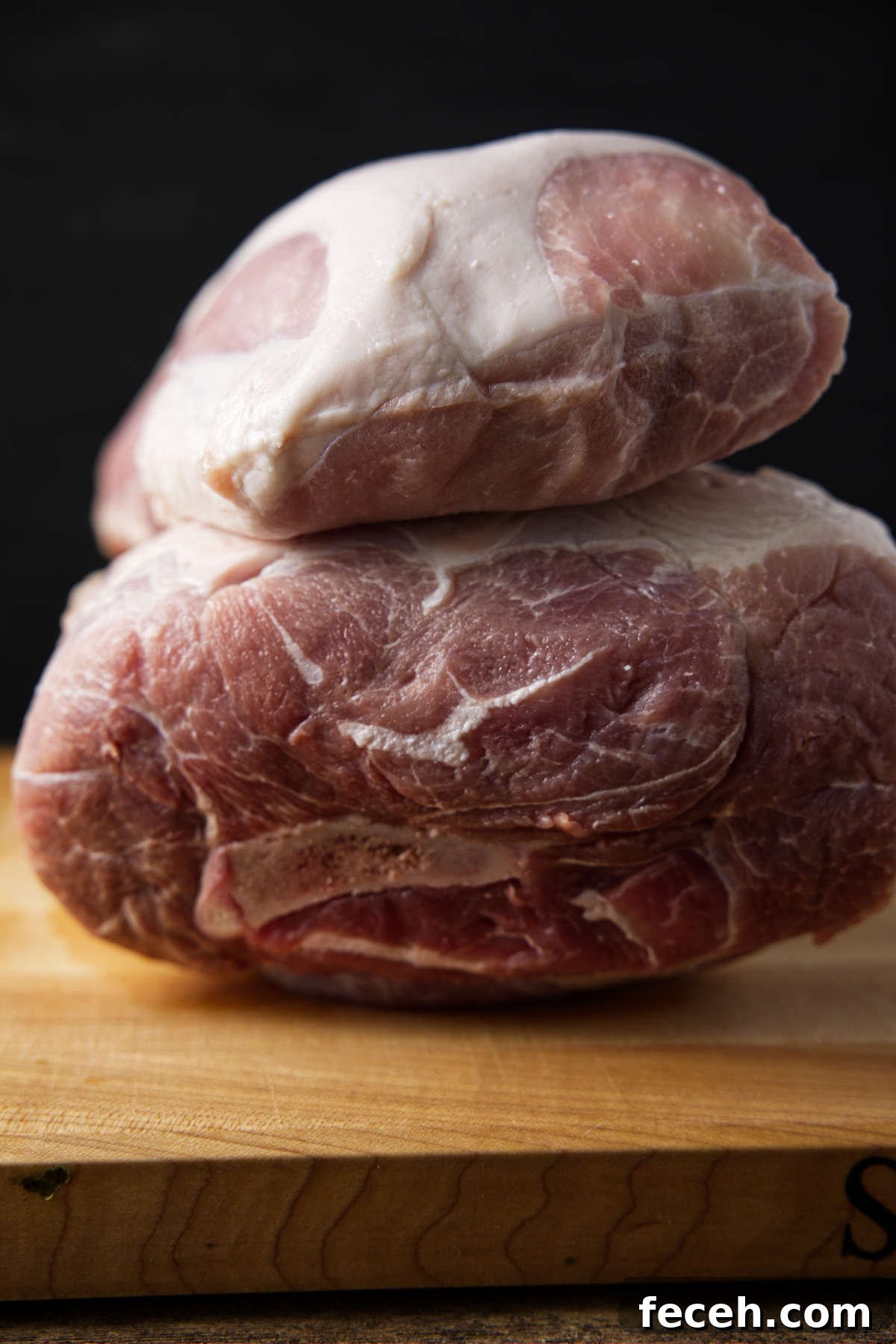
Picking the right cut of pork can transform your outdoor cooking. Choosing between pork loin and pork shoulder affects flavor, texture, and the cooking approach. This guide explains the practical differences so you can make the best choice for smoking, grilling, roasting, or slow-cooking.
Whether you plan a smoked pork loin roast or a slow-cooked pulled pork shoulder, understanding these cuts helps you deliver consistently delicious results at your next outdoor gathering.
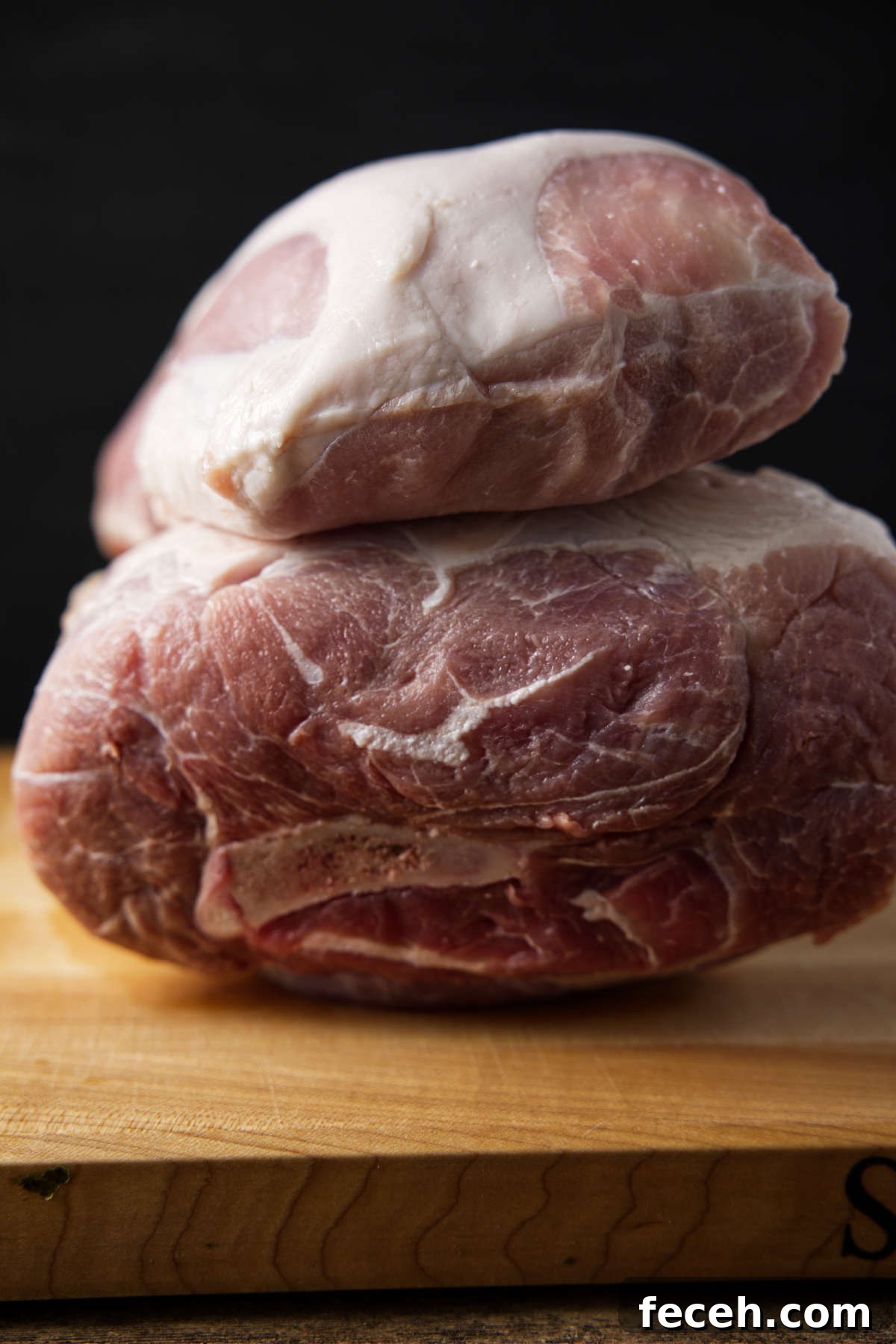
🔑 Key Takeaways Pork Loin vs Pork Shoulder
- Pork loin is a lean cut from along the pig’s back; pork shoulder (also called pork butt) is a fattier, more connective-tissue-rich cut from the front shoulder area.
- Pork loin cooks faster and benefits from care to keep it juicy. Pork shoulder excels with low-and-slow cooking, which renders fat and collagen into rich flavor and tender texture.
- Use brines, marinades, and a good rub for pork loin to enhance moisture and flavor. Pork shoulder tolerates bold seasonings and benefits from long smokes and occasional basting.
- Internal temperature and resting time are critical for both cuts to ensure optimal juiciness and tenderness.
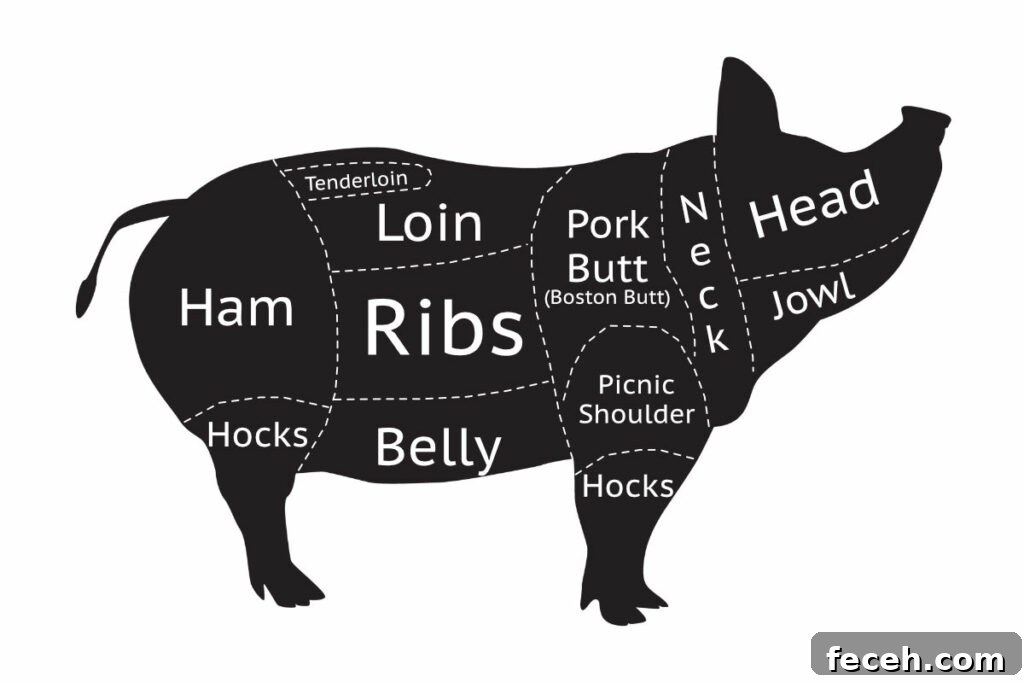
🐖 Where on the Pig?
Knowing where a cut comes from clarifies how it will behave when cooked and which techniques will showcase it best. Location affects muscle use, fat content, and connective tissue, all of which determine texture and flavor development.
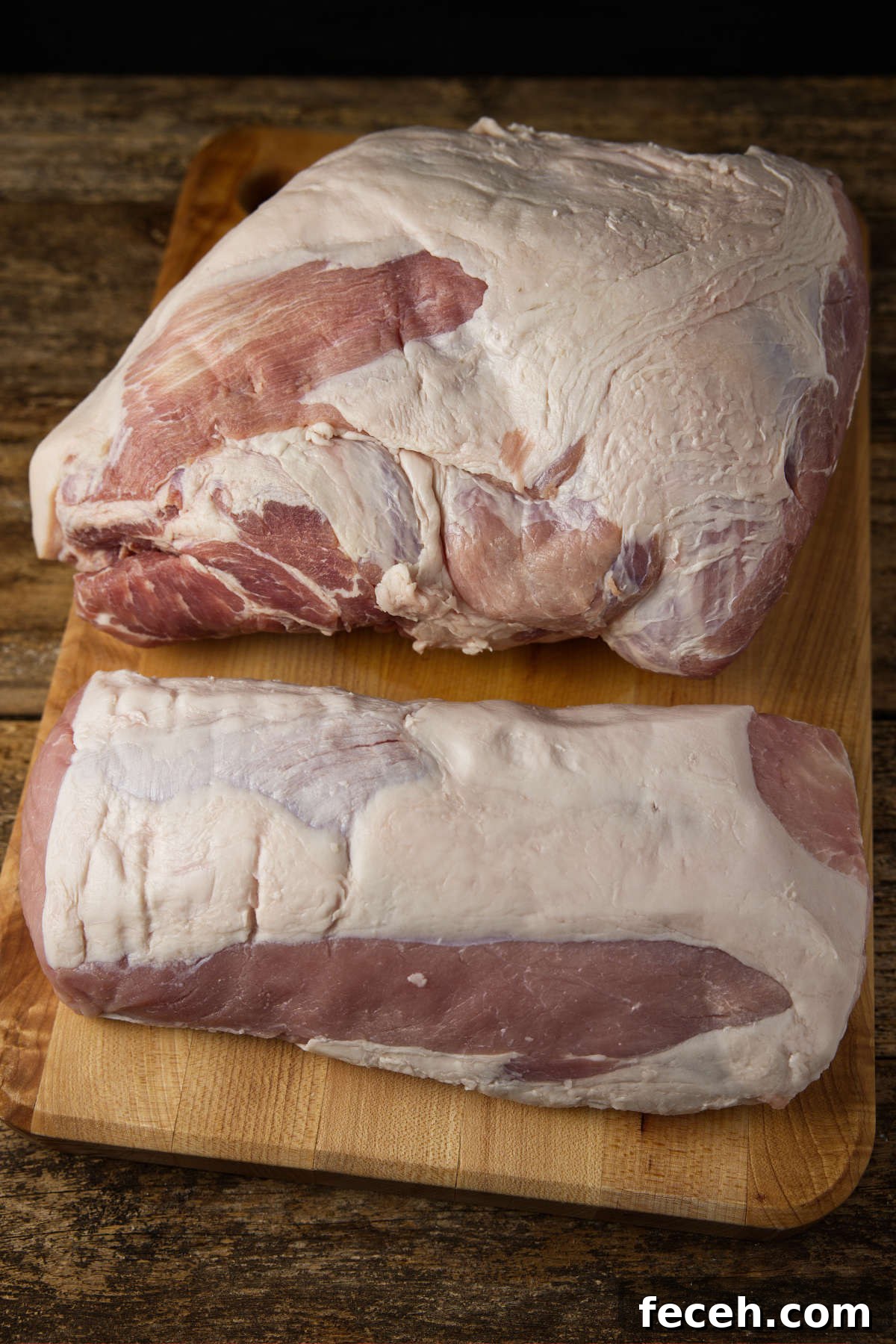
Pork Loin
- Cut from along the pig’s back, extending from shoulder to rear.
- Very lean with mild flavor and tender texture when cooked properly.
- Non-working muscle, so it doesn’t have heavy connective tissue.
- Great canvas for brines, marinades, and rubs to build flavor.
- Best for quicker methods: grilling, roasting, searing, or quicker smoking sessions.
Pork Shoulder
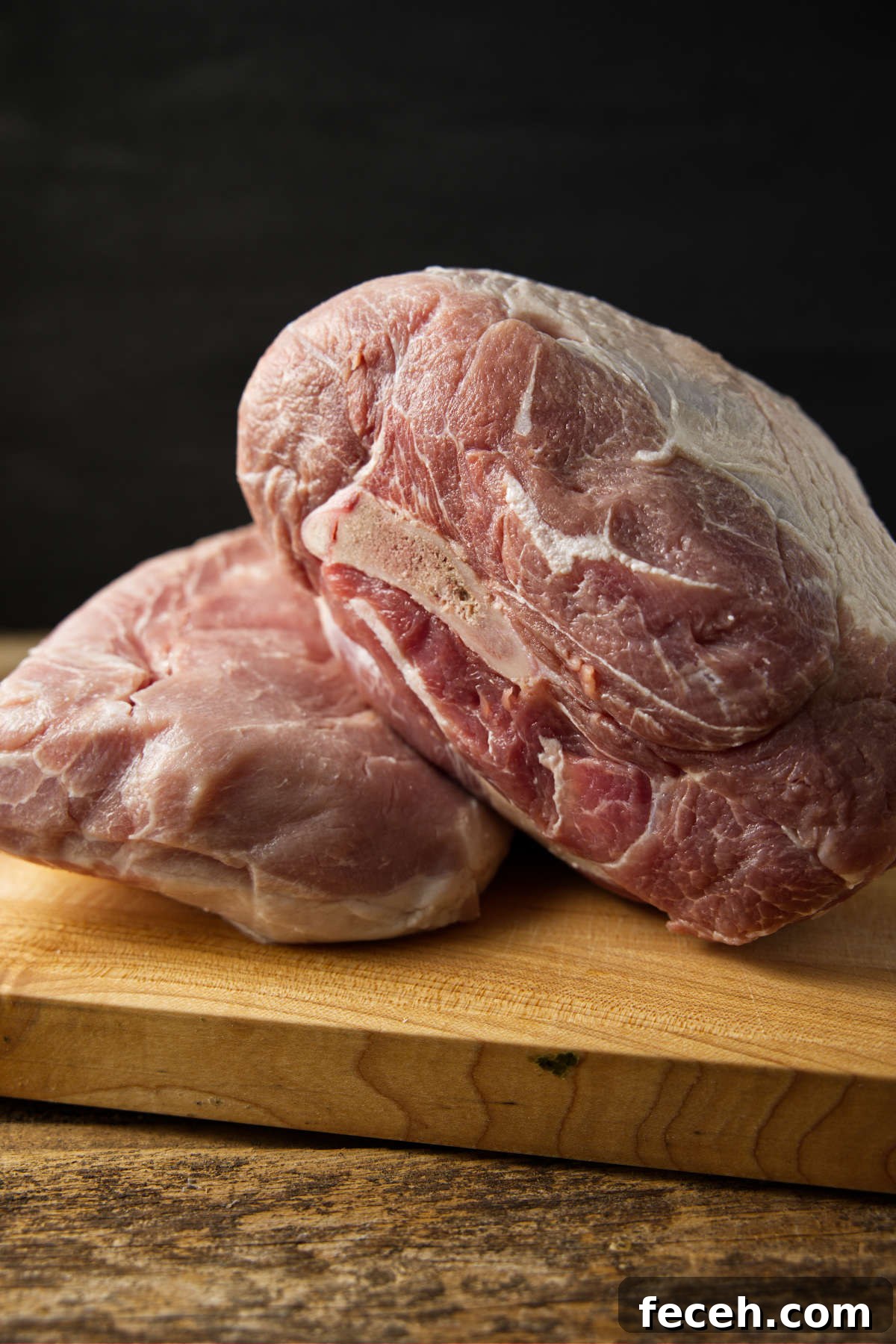
- Also labeled pork butt or Boston butt at the butcher counter.
- Comes from the upper front leg and shoulder area.
- Contains more fat and connective tissue, which makes it tougher raw but incredibly flavorful after long cooking.
- Excels with low-and-slow smoking, braising, or roasting until it becomes pull-apart tender.
👩🍳 Cooking Tips and Tricks
Each cut requires a tailored approach to reach its best potential. Follow these targeted tips to keep pork loin moist and flavorful and to coax deep tenderness from pork shoulder.
Pork Loin
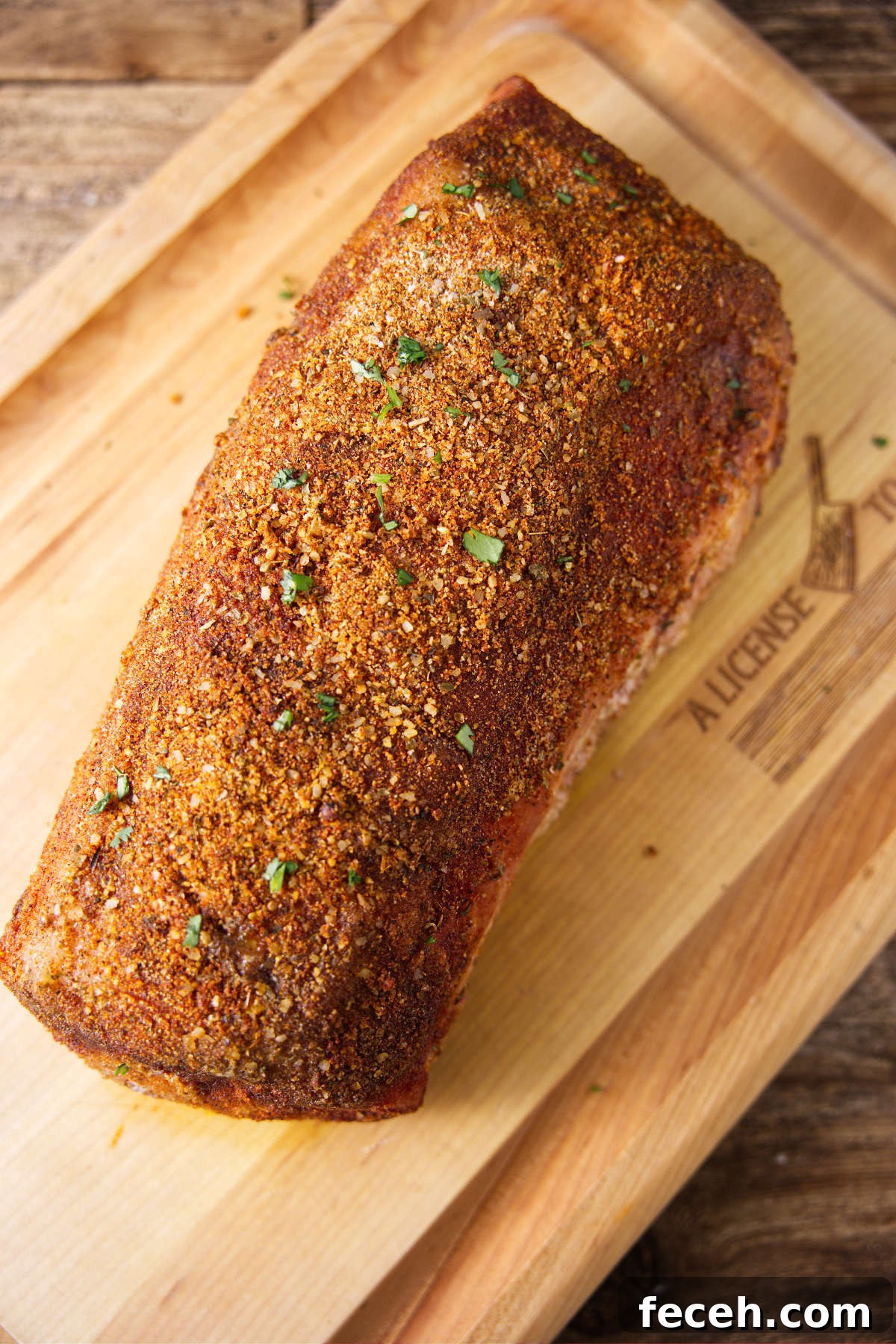
Pork loin makes excellent roast or sliced preparations and is versatile for tacos, sandwiches, or plated entrees. Because it’s lean, the focus is on protecting moisture while building a flavorful crust.
- Trim and Rest: Trim excess fat but leave a thin layer for flavor. Let the loin come to room temperature for even cooking.
- Season Generously: A well-balanced rub or a prior brine will add flavor and help retain moisture.
- Smoking Strategy: If smoking, cook at low temperatures (around 225°F) until the internal temperature approaches your target (often around 130°F for medium), then finish with a high-heat sear to develop color and crust.
- Final Sear and Rest: Sear in a hot pan or over direct grill heat, then rest the meat before slicing to allow juices to redistribute.
Pork Shoulder
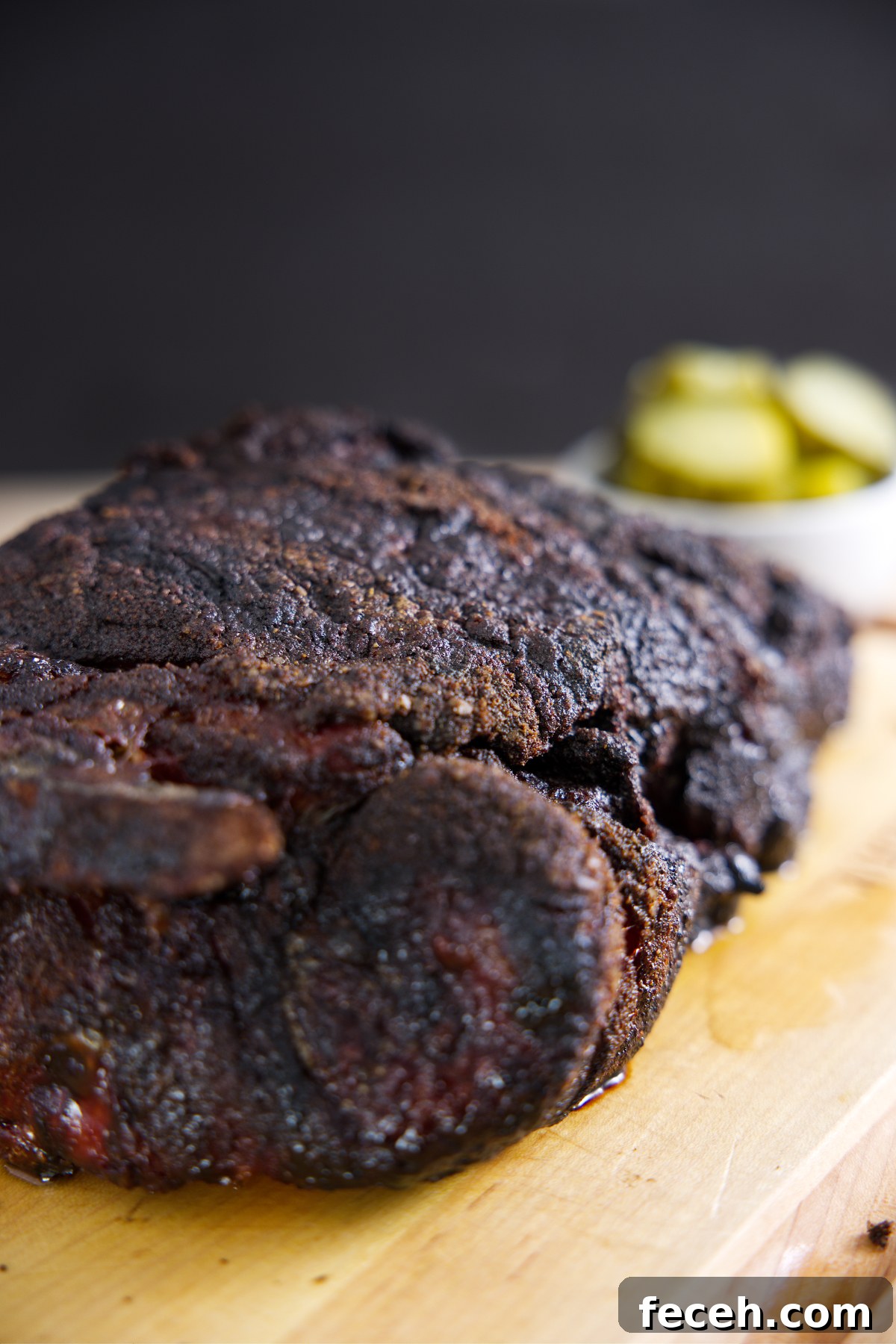
Pork shoulder rewards patience. It’s ideal for pulled pork, hearty sandwiches, and dishes where you want deep, slow-developed flavor and a tender, shreddable texture.
- Low and Slow: Maintain a steady low temperature (around 225°F) and allow many hours for fat and collagen to break down.
- Moisture Management: Periodically baste or spritz with apple juice, vinegar, or another liquid to keep the exterior from drying and to layer flavor.
- Temperature Target: Pull when the internal temperature reaches roughly 200°F–205°F so the connective tissue has fully broken down.
- Rest Before Shredding: After cooking, rest wrapped in butcher paper or foil for a while before pulling to lock in juices.
General Tips
- Season Well: Both cuts benefit from a thoughtful seasoning approach—milder for loin, bolder for shoulder.
- Use a Thermometer: A reliable meat thermometer removes guesswork and ensures correct doneness.
- Try Marinades and Injections: Brines and marinades add moisture to lean loin. For shoulder, consider injecting a flavorful liquid and applying a robust rub before the long smoke.
🐷 Time to Cook
Pork loin and pork shoulder offer different strengths: loin provides lean, tender slices when cooked carefully, while shoulder delivers rich, shreddable results after slow cooking. Choose the cut that matches your menu and cooking time, season appropriately, monitor internal temperature, and rest before serving—those steps will help you serve outstanding pork every time.
CONNECT WITH A LICENSE TO GRILL!
Be sure to follow us on our social media accounts.
Did you try this guidance? Share your results in the comments below!