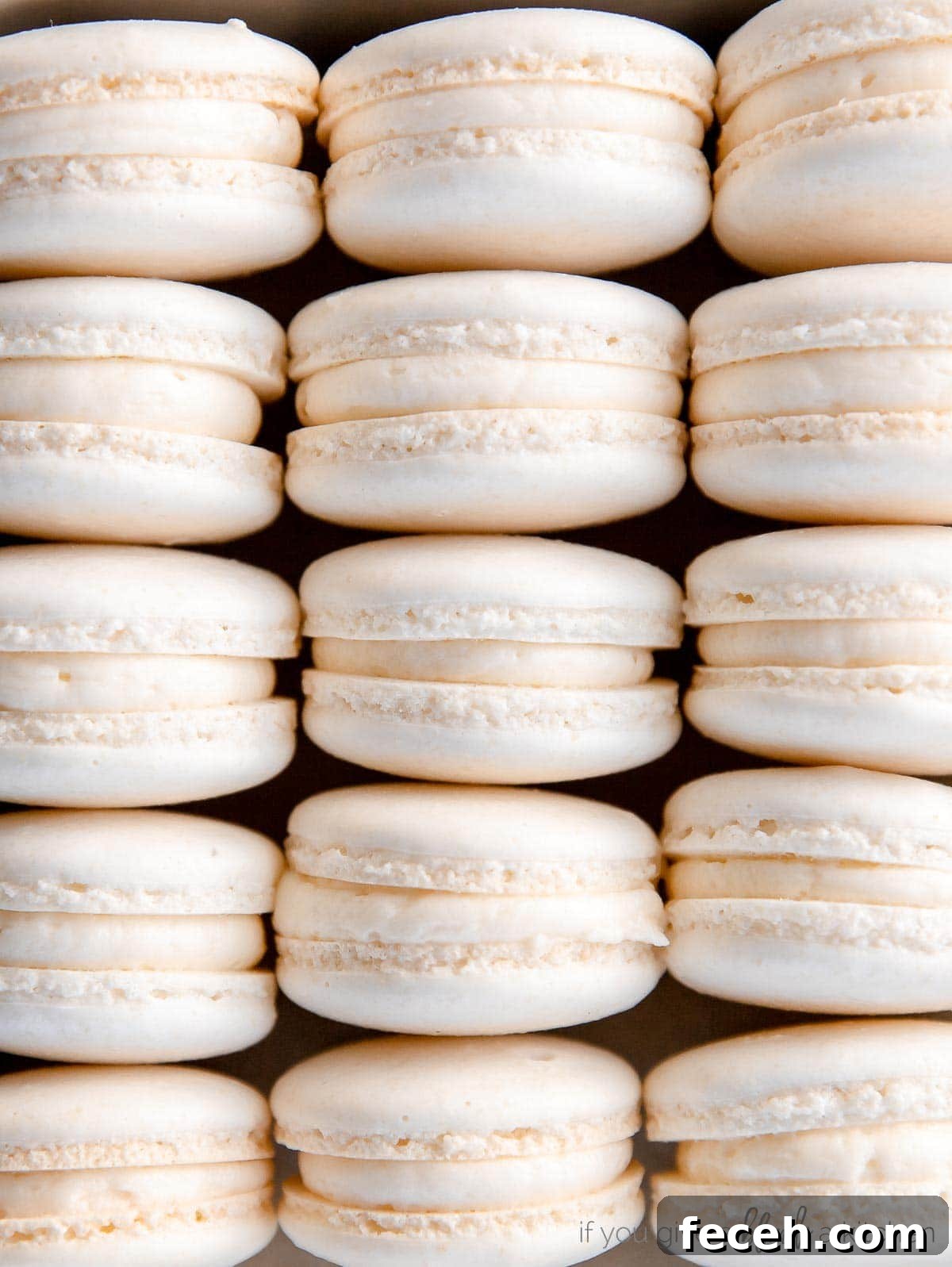
Learn how to make macarons with this clear, step-by-step guide and video tutorial. Follow these practical tips to improve your chances of success.
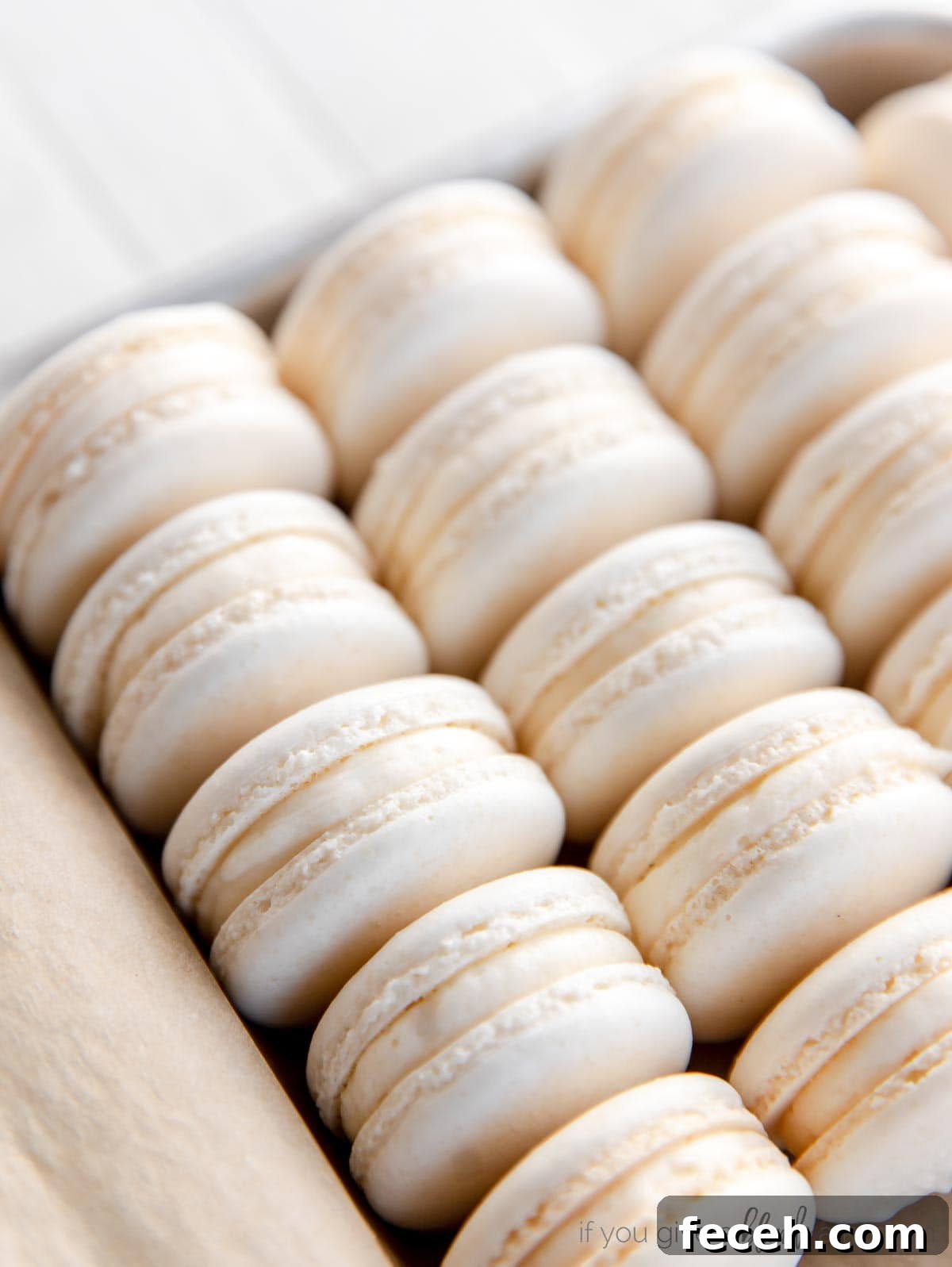
French macarons are delicate and a little fussy to make, but they’re incredibly rewarding when they turn out well. After many attempts and experiments, I’m sharing the reliable techniques I learned so you don’t have to repeat the same trials.
Why this recipe works: The success of these macarons comes from paying attention to key details in the process. I include the tips and timing I found most reliable when baking dozens of batches.
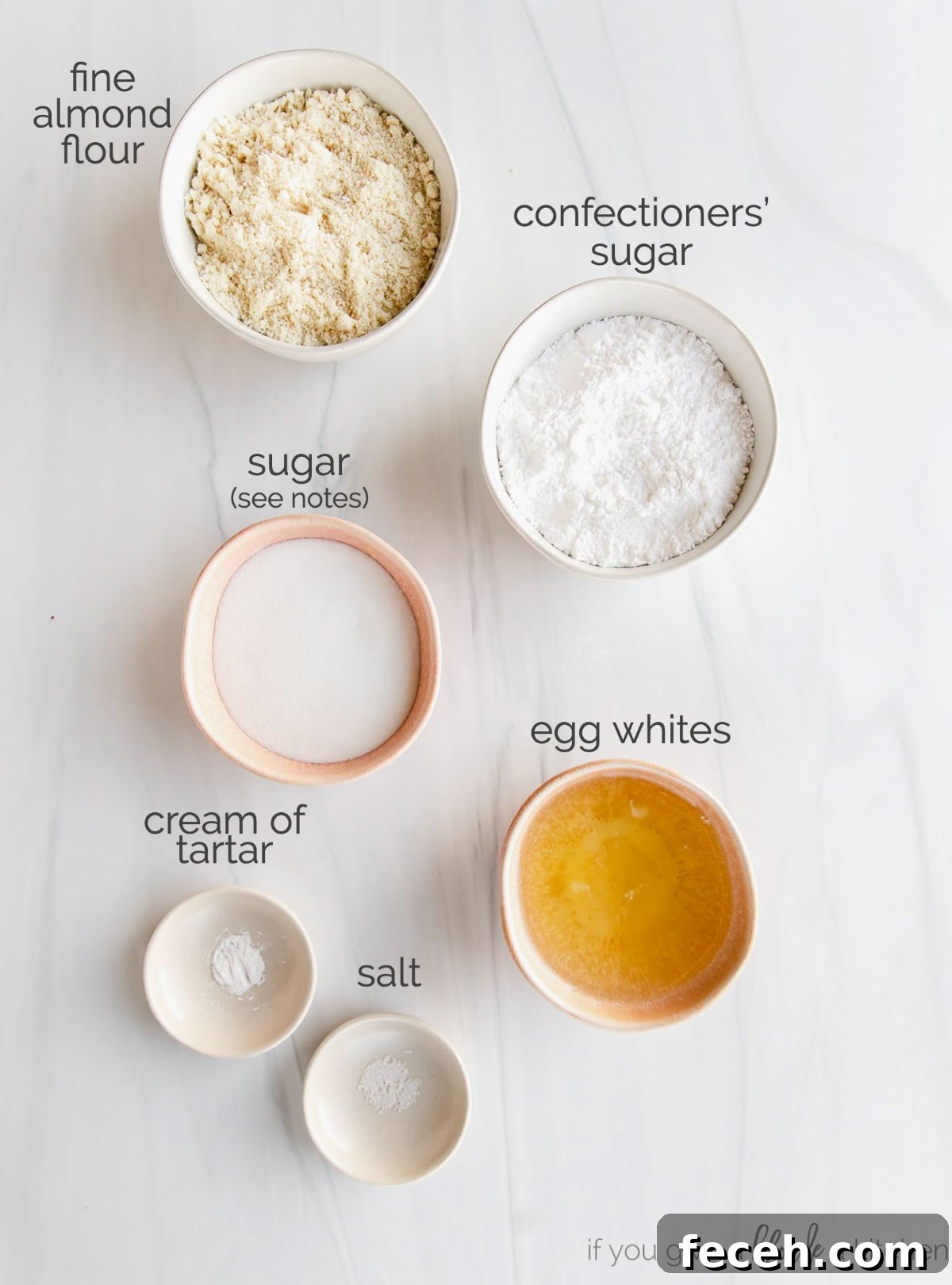
Table of Contents
French macaron ingredients
Before you begin, gather the essential ingredients. Precision matters with macarons. Use room-temperature egg whites that are free of any yolk. For best results dehydrate them overnight by leaving them covered with plastic wrap with a few holes poked in the top.
Almond flour is required—choose a fine almond flour. I prefer a finely ground, blanched almond flour. You’ll also need two sugars: confectioners’ sugar and bakers sugar (a superfine granulated sugar). If you don’t have bakers sugar, regular granulated will work if pulsed briefly in a food processor to make it finer. Finally, a pinch of cream of tartar helps stabilize the meringue and adds volume to the egg whites.
Why dehydrate egg whites?
Dehydrating egg whites removes some extra moisture so the macaron batter isn’t too runny. This helps the mixture achieve the proper consistency and improves the stability of the whipped egg whites when forming stiff peaks.
Overview: How to make macarons
- Dehydrate the egg whites (leave out overnight).
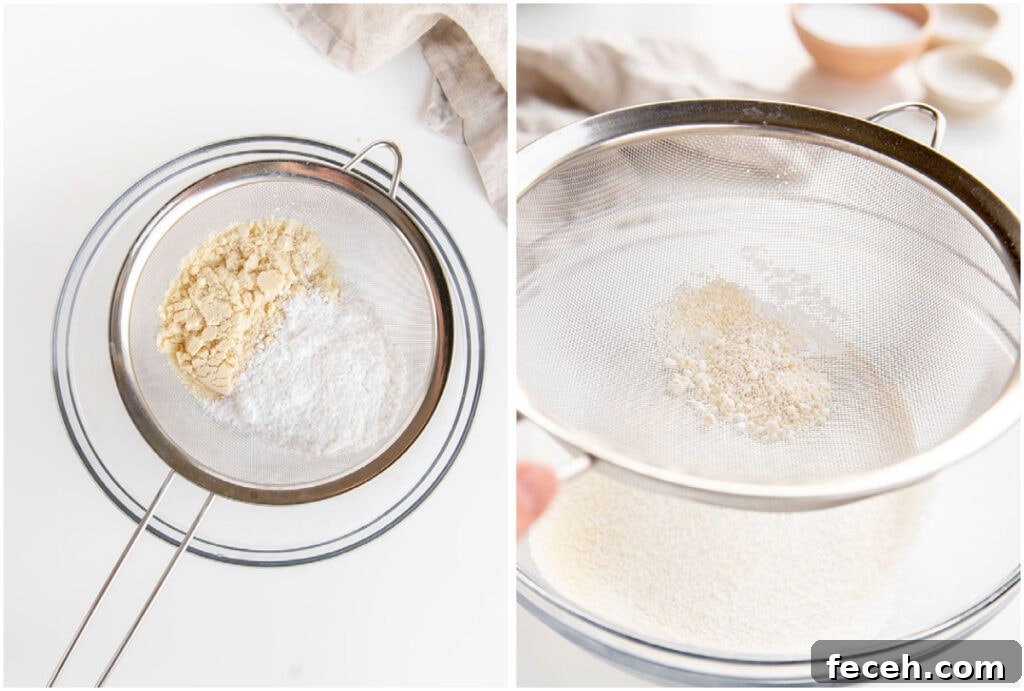
- Sift the almond flour and confectioners’ sugar three times, then set aside.
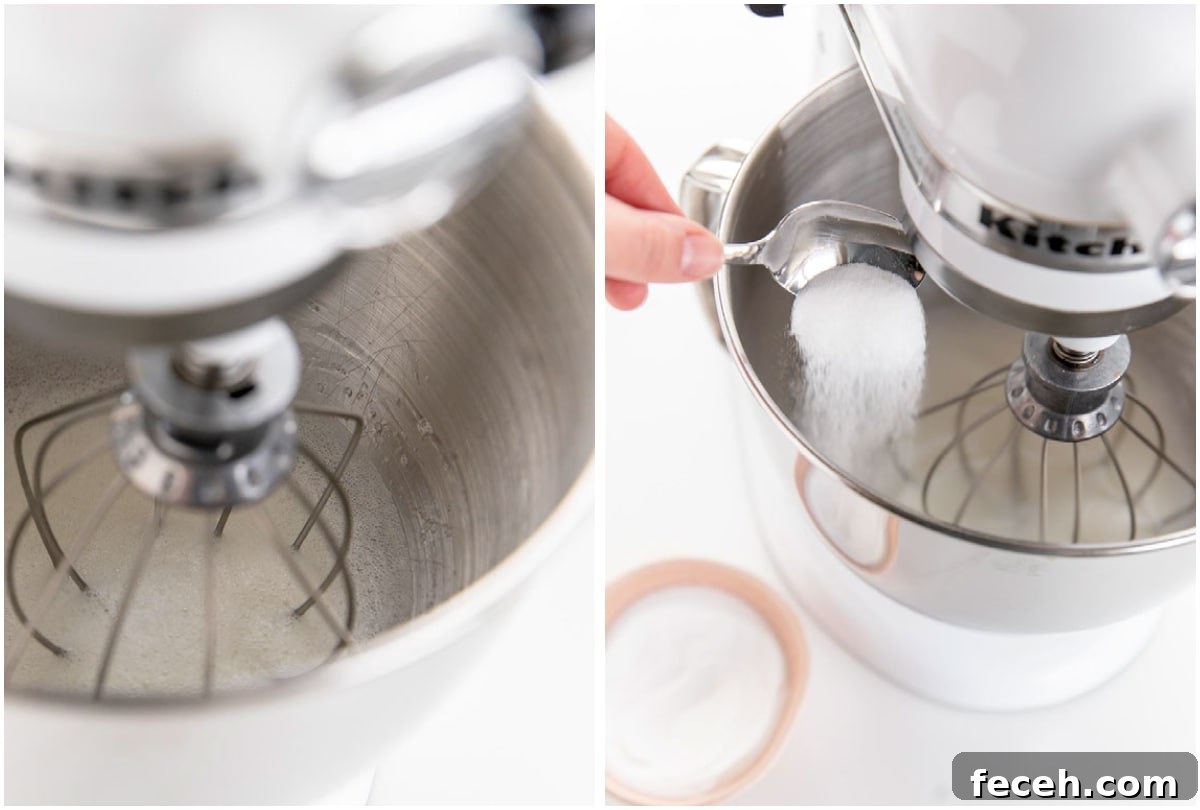
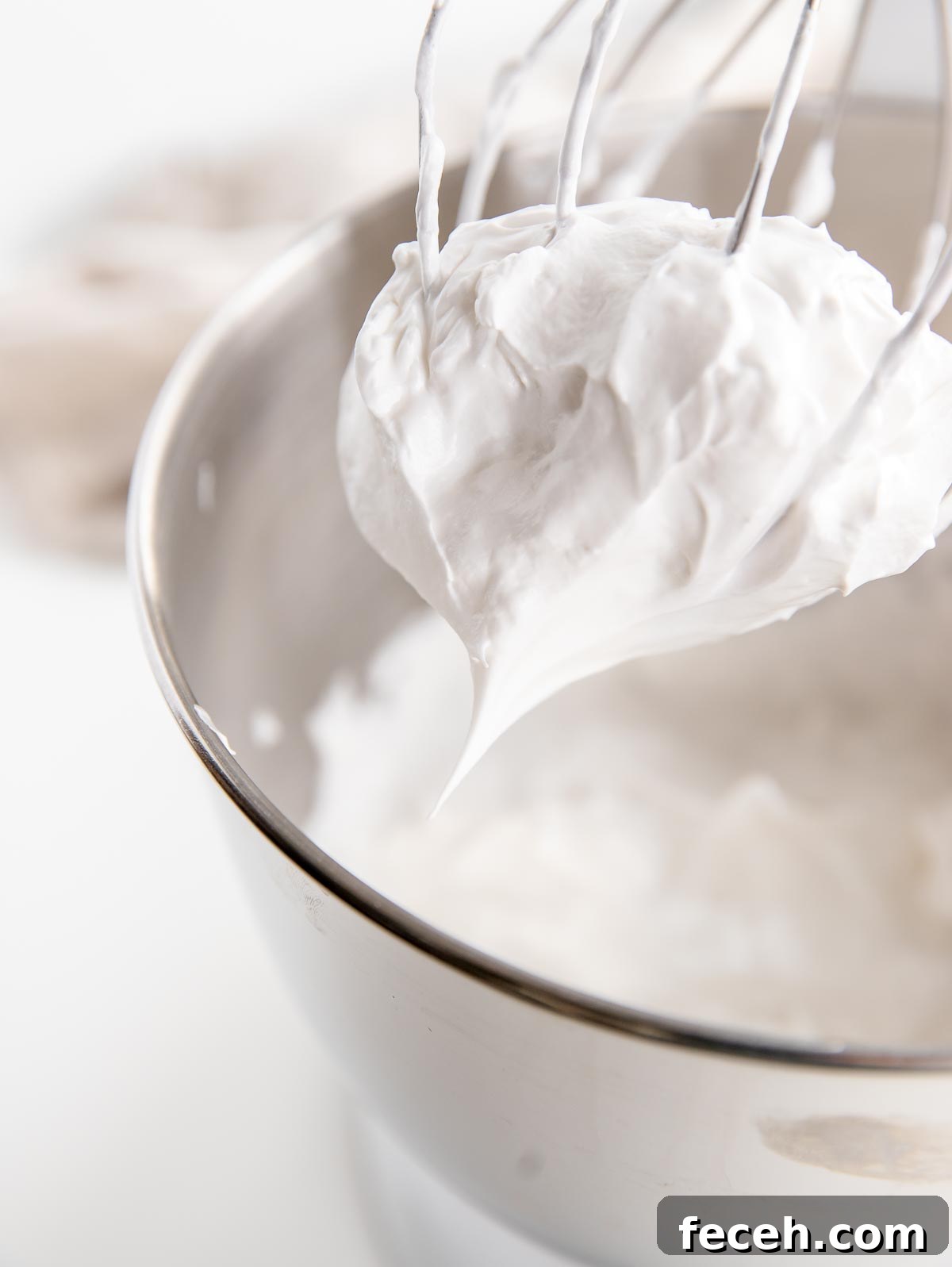
- Beat egg whites with cream of tartar and salt until frothy. Slowly add bakers sugar and whip until stiff peaks form, about five minutes.
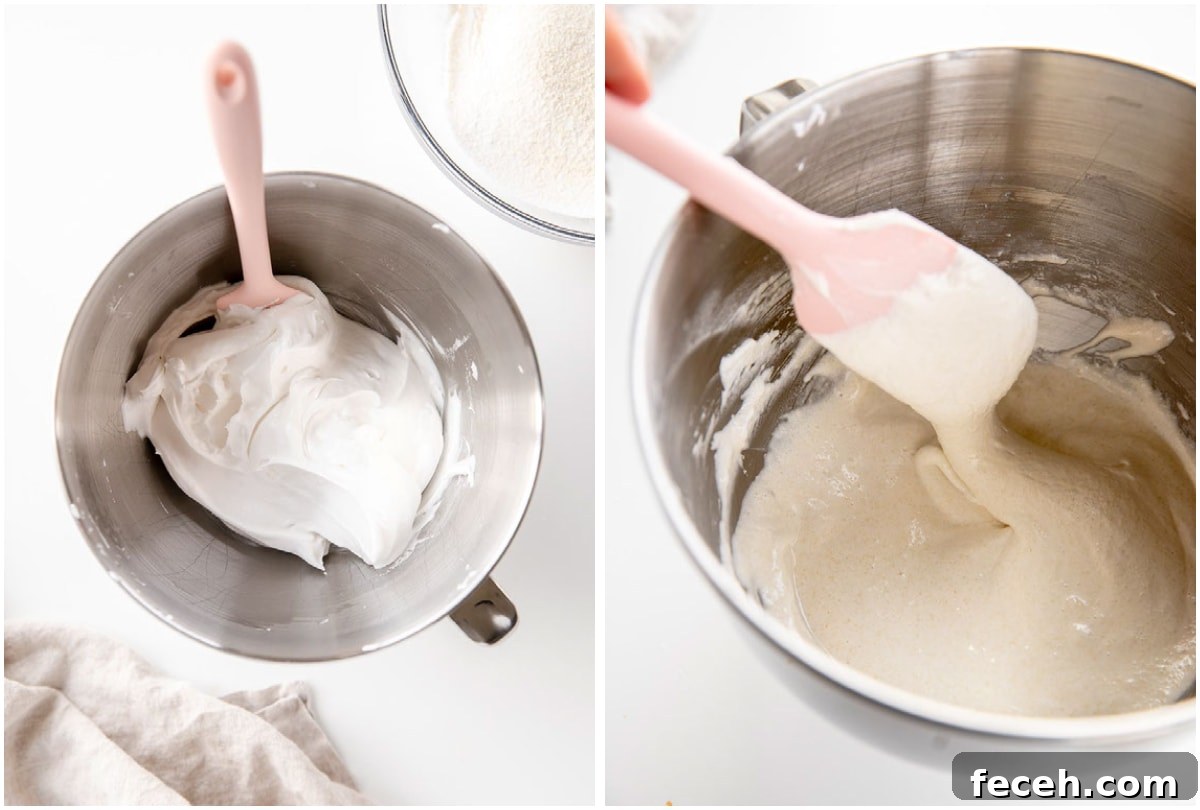
- Fold the dry ingredients into the meringue until the batter reaches a thick, lava-like consistency.
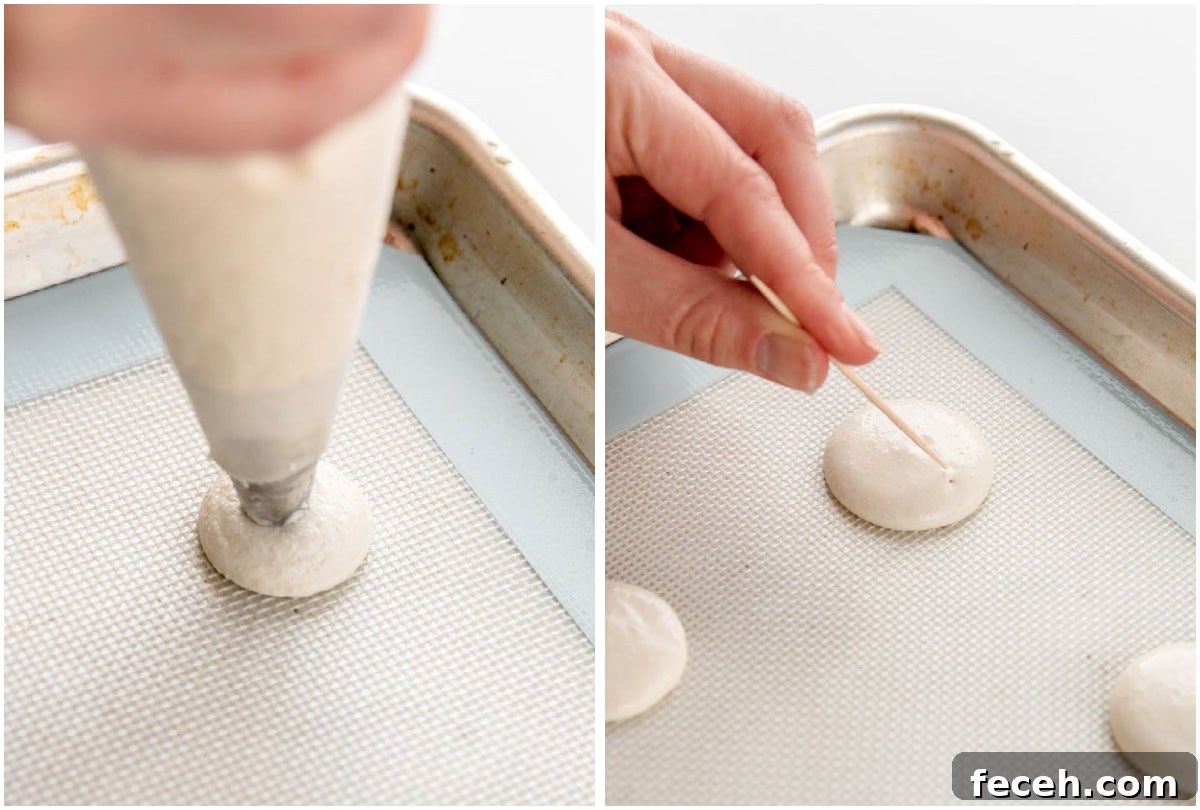
- Pipe rounds onto a Silpat or parchment. Tap the trays to release air bubbles and let the macarons dry for 40–45 minutes.
- Bake at 300°F for 12–14 minutes, then cool completely before filling.
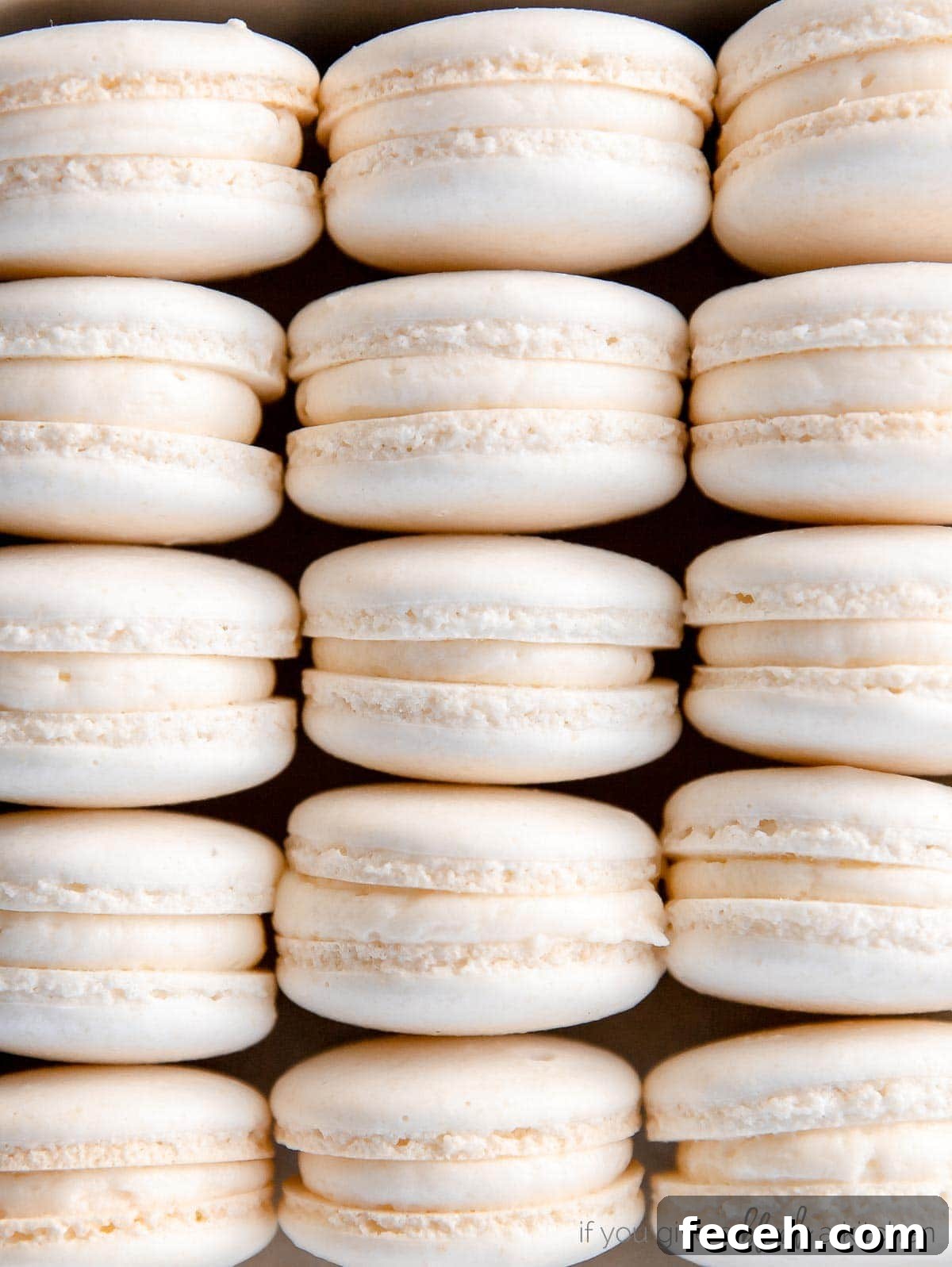
A classic filling is a rich buttercream—my favorite is a simple buttercream frosting. Chocolate buttercream or fruit curds (used carefully) are also delicious options.
Tips for making macarons
Read the whole guide first. Macarons are precise and benefit from familiarity with each step before you start. Weigh your ingredients. Accuracy matters—use a kitchen scale. Dehydrate egg whites overnight for a more stable batter.
Whip to stiff peaks. Avoid under- or over-whipping. On a stand mixer, medium-high for about five minutes usually yields the right meringue. Fold until the batter flows like lava. Use a silicone spatula and gently fold until the batter can form a figure eight without breaking.
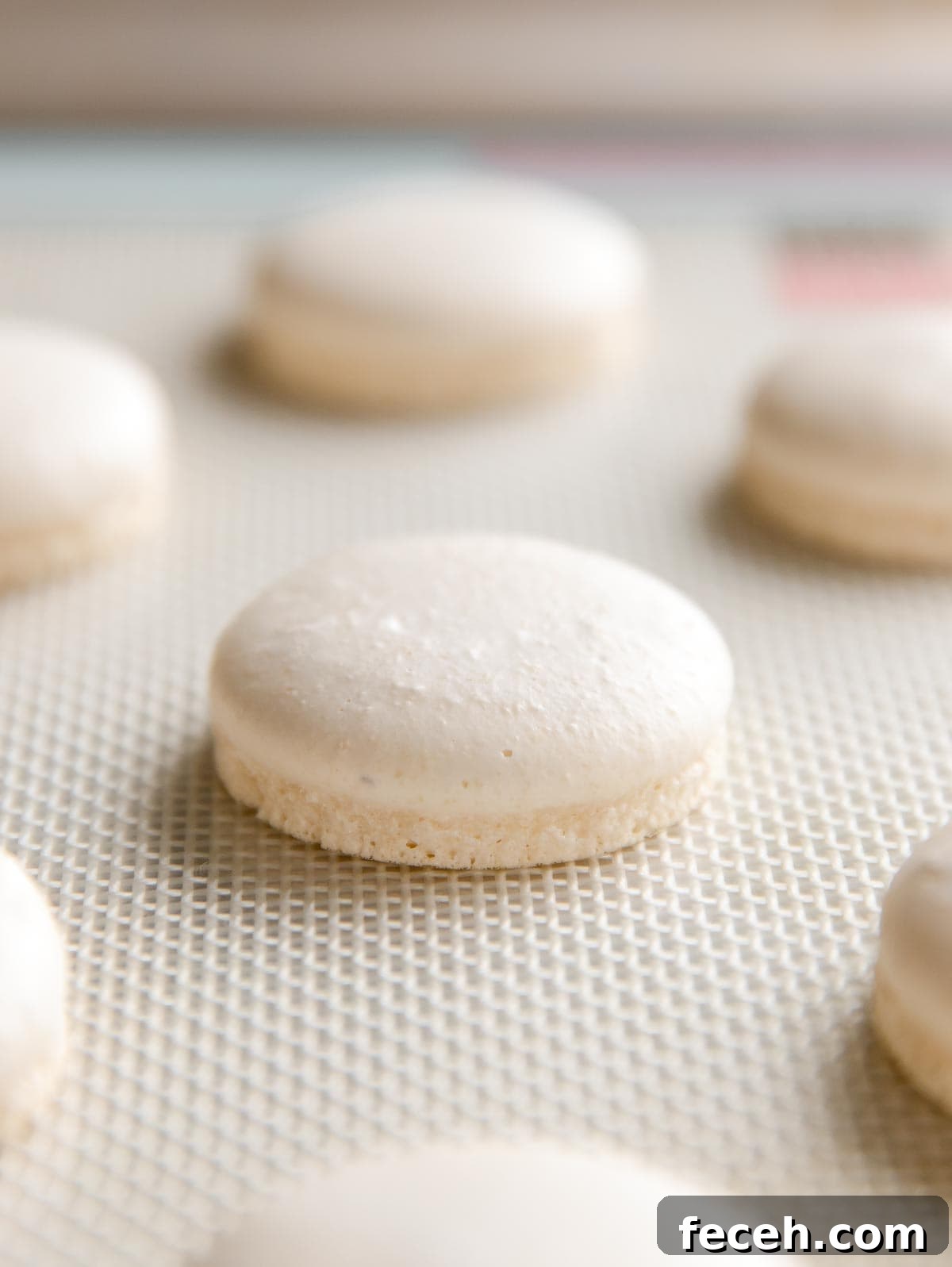
Allow macarons to dry before baking. After piping, let them rest 40–60 minutes. They’re ready when the surface is dry to the touch and won’t stick to your finger.
Frequently Asked Questions
They likely didn’t dry long enough before baking. The shell needs to form a firm skin to contain the air inside during oven expansion.
Over-beating the egg whites past stiff peaks can create a fragile structure that collapses, producing hollow shells.
Feet form when the batter has the correct consistency from proper macaronage. Under-mixed or over-mixed batter, or overly wet egg whites, can prevent feet from developing.
Bumpy tops usually mean your dry ingredients weren’t sifted enough. Discard large almond flour clumps rather than forcing them through the sifter.
Storage Tips
How long do macarons last? Properly stored, assembled macarons keep in the refrigerator for up to five days. If your filling is loose (curd or jam), assemble them the day you serve.
Can you freeze macarons? Yes. Wrap assembled macarons and place them in an airtight container for up to three months. You can also freeze unassembled shells with parchment between layers to prevent sticking.
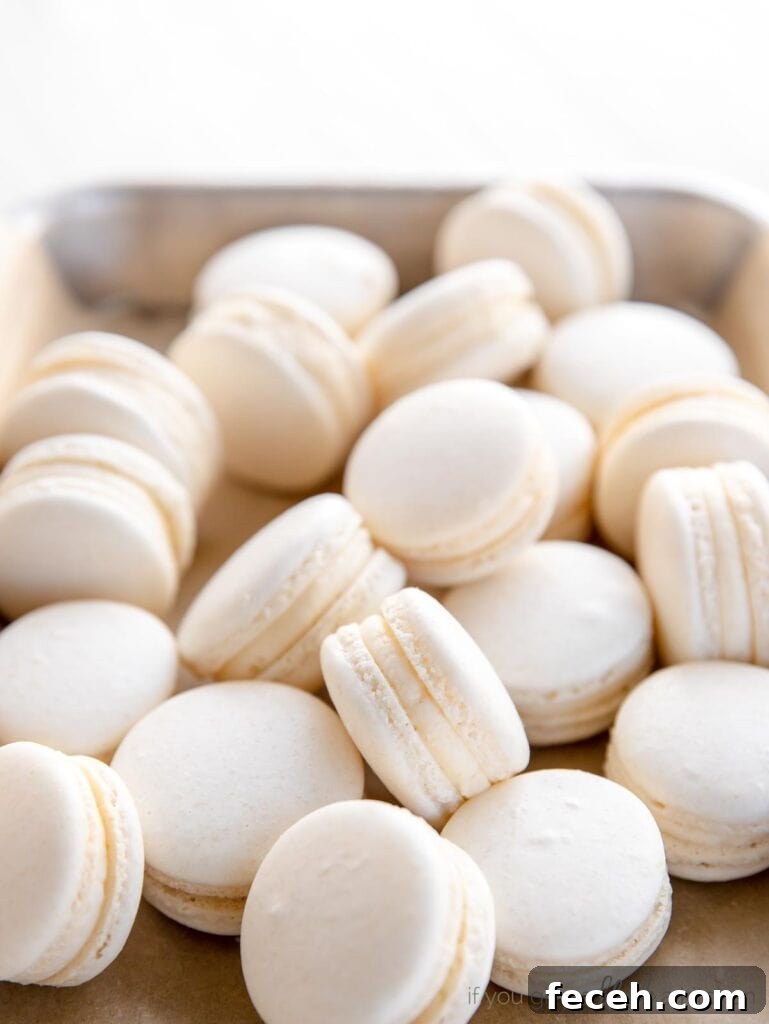
Mastering macarons takes practice, but once you lock in the technique you’ll feel accomplished. You can even decorate or paint macarons for special occasions. Read the tips before you begin, and if you need troubleshooting help, reach out through the contact option on the site.
Related Recipes
Try these French sweets next!
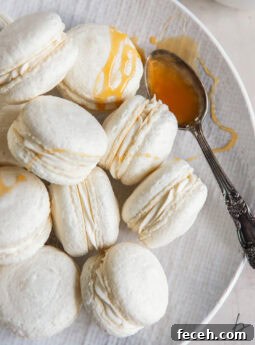
Salted Caramel Macarons

French Madeleine Cookies
French Yogurt Cake (Gâteau Au Yaourt)

How to Make Homemade Croissants
Did you love this recipe? Please leave a 5-star rating in the recipe card and consider leaving a comment to share your results.
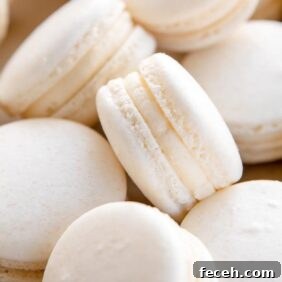
Get the Recipe: How to Make Macarons
Ingredients
- 100 g (about 3 large eggs) egg whites, room temperature
- 140 g (about 1 1/4 cups) fine almond flour
- 120 g (about 1 cup) confectioners’ sugar
- 100 g (about 1/2 cup) bakers sugar, (granulated sugar works too if processed finer)
- ¼ teaspoon cream of tartar
- ¼ teaspoon salt
- 1 recipe buttercream frosting
Instructions
-
Place egg whites in a clean bowl, ensuring there is no yolk. Cover with plastic wrap and poke a few large holes. Leave at room temperature for 8 hours or refrigerate overnight, then bring to room temperature before using.
-
Sift the confectioners’ sugar and almond flour together through a fine mesh sieve into a bowl. Discard large clumps left in the sieve. Repeat the sifting process two more times and set the dry mix aside.
-
Using a stand mixer with the whisk attachment, whisk egg whites on medium-low until frothy. Add cream of tartar and salt. With the mixer running, add bakers sugar very slowly (a little at a time). Increase to medium-high and beat until stiff peaks form, about five minutes. A good test: the mixture will cling to the whisk and won’t fall out if you invert the whisk.
-
Fold half the dry ingredients into the meringue with a silicone spatula until mostly incorporated, then add the rest. Continue folding by scraping around the bowl and cutting through the center until the batter flows like lava. Stop before over-mixing. The batter should form a figure eight without breaking.
-
Transfer the batter to a piping bag fitted with a 1/2-inch round tip. Pipe 1-inch rounds onto a Silpat or parchment lined with macaron outlines, spacing them about 2 inches apart. Lift the baking sheet about 6 inches and drop it onto the counter three times, rotating 180° and repeating to release air bubbles.
-
Let the piped macarons rest at room temperature for 40–45 minutes or up to an hour until the tops are dry to the touch (you should be able to gently touch them without leaving a mark).
-
Preheat the oven to 300°F about ten minutes before they finish drying. Bake for 12–14 minutes, rotating the pan halfway through. Allow shells to cool completely before filling.
-
Pair cooled shells by size and pipe your chosen filling, such as buttercream, between two shells. Serve and enjoy.
Notes
Storage: Keep assembled macarons refrigerated up to five days. If using a liquid filling like curd or jam, assemble on the day you plan to serve.
Freezing: Freeze assembled or unassembled macarons in an airtight container for up to three months, placing parchment between layers to prevent sticking.
References: Wilton and The Preppy Kitchen