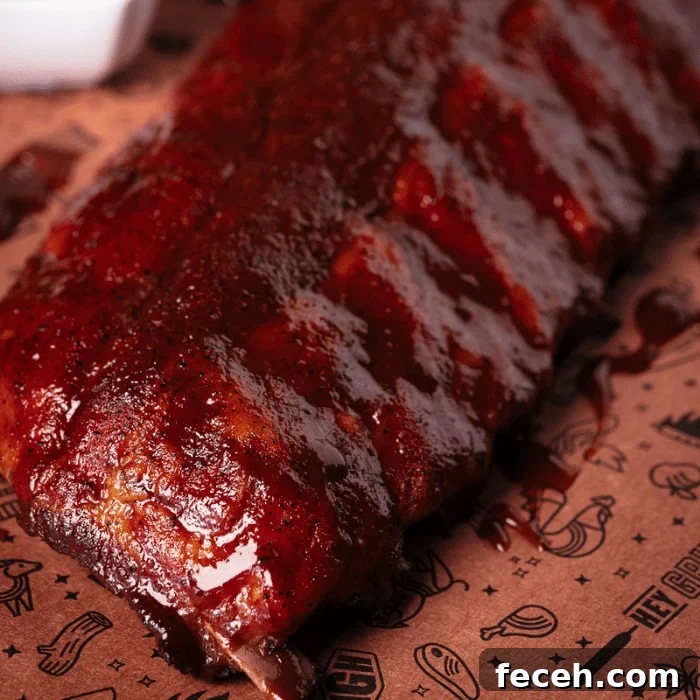
If you’ve ever grilled or smoked pork ribs, you’ve likely asked yourself: when are pork ribs truly done? That’s one of the most common questions we hear. Below is a clear, practical guide to knowing when ribs are finished, including recommended internal temperatures, how to check doneness, and tips for preparing and cooking different rib cuts.
Best Internal Temp for Pork Ribs
The ideal internal temperature for most pork ribs is around 200°F.
For consistent, tender results, aim for an internal temperature between 198°F and 202°F. Measuring temperature in ribs can be challenging because of thin meat layers and bone placement, so readings may vary across a rack. Despite this, a good instant-read thermometer and a few non-temperature cues will help you achieve juicy, tender ribs every time.
Types of Pork Ribs
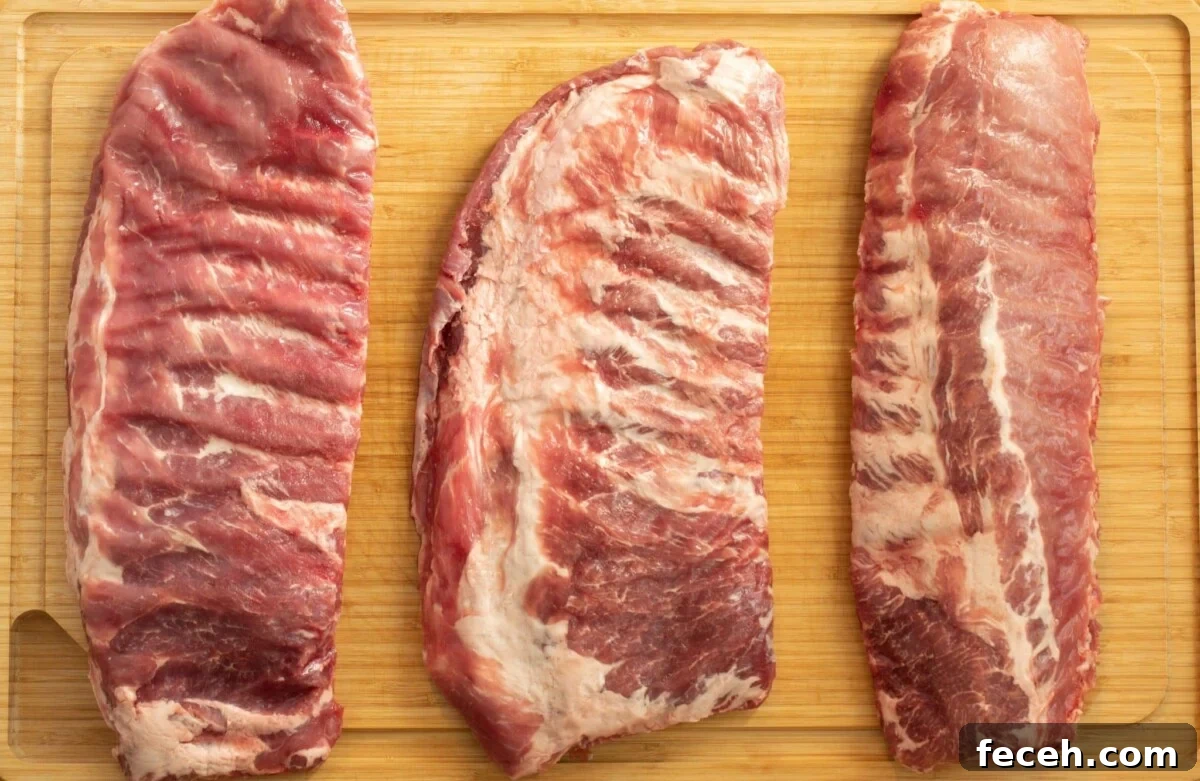
The most common rib cuts you’ll encounter for grilling, smoking, or braising are:
- Spare Ribs. Wide and flat, spare ribs have more intramuscular fat and connective tissue because they come from near the belly. That fat and connective tissue make them ideal for low-and-slow cooking.
- St. Louis Spare Ribs. These are spare ribs trimmed to remove the rib tips and cartilage, giving a uniform appearance while retaining the flavor and fat of a full spare rack.
- Baby Back Ribs. A popular grilling choice, baby backs are leaner and often have more meat above the bone. They work well for both low-and-slow smoking and higher-heat, faster grilling.
- Country-Style Ribs. Technically not ribs, these thick strips usually come from the pork shoulder. They can include bone or be boneless and have similar fat and connective tissue to true ribs, making them excellent for smoking and braising and for shredding.
Checking for Doneness
Temperature is only one indicator of doneness. There’s no single magic number that guarantees perfect ribs, but combining temperature readings with other tests will get you there.
Meat Thermometer
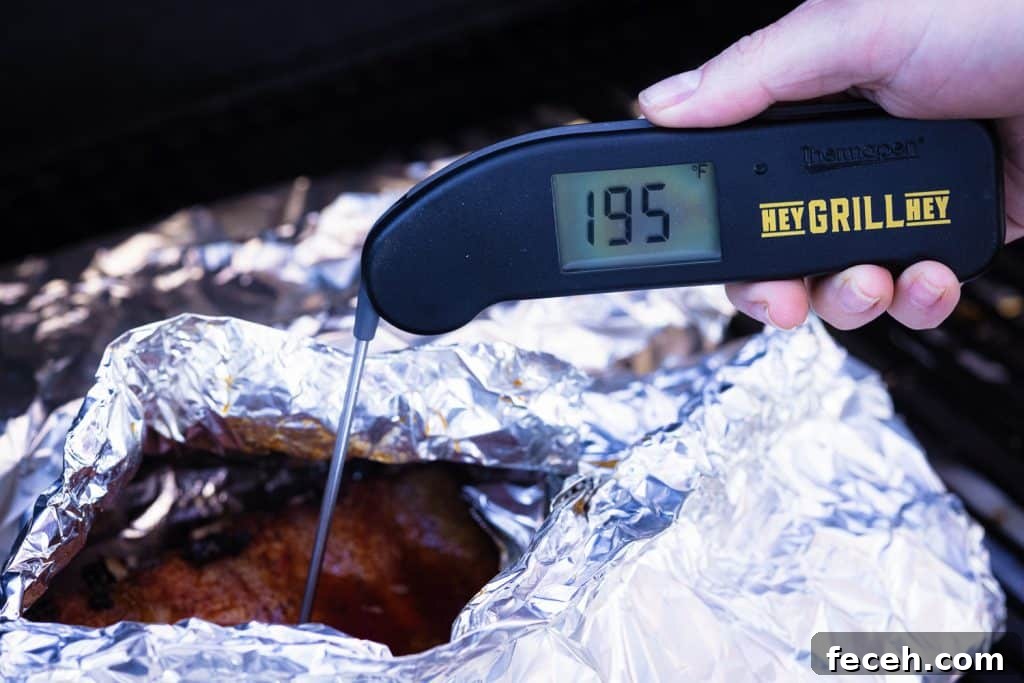
An instant-read thermometer is invaluable. Connective tissue in ribs starts to break down around 195°F. Below that, ribs will likely be chewy and tough. As the tissue gelatinizes near 195°F–203°F, the meat becomes tender and juicy.
Tips for Accurate Rib Temperatures
- Insert the probe into the thickest part of the meat, between bones. Avoid contacting bone or large fat pockets for a truer reading.
- Use an instant-read thermometer to take quick readings and minimize heat loss from your smoker or grill.
- Check temperature at several spots across the rack to account for variation and hot spots in your cooker.
The Bend Test
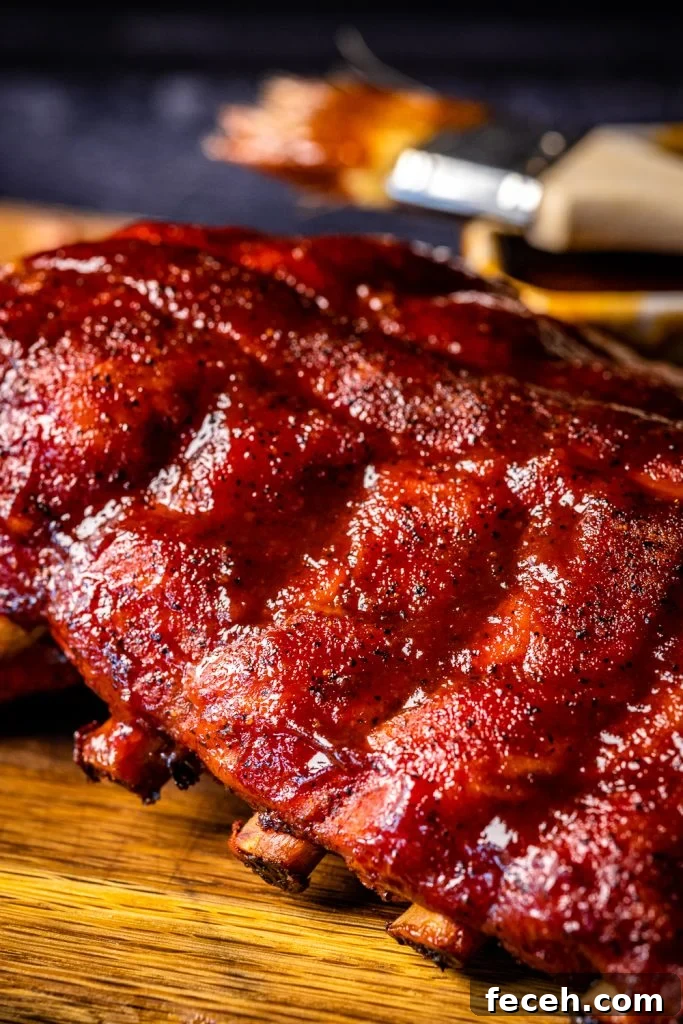
The bend test is a useful tactile check: lift one end of the rack with tongs and watch how it bends. If the rack forms a noticeable bend and the meat slightly tears on top, the ribs are nearing doneness. If the whole rack lifts stiffly, they need more time. If the rack falls apart, they’ve likely gone too far.
Bone Pull-Back
Bone pull-back, where the meat recedes from the bone leaving about ½ inch of exposed bone, is a visual cue often used to judge doneness. It’s less precise than other methods and varies by rib type and prep, but it’s a helpful secondary indicator.
Best Internal Temp for Different Pork Ribs
Spare Ribs and St. Louis Style
Aim for 200–202°F for spare ribs and St. Louis style ribs. The extra fat and muscle structure of these cuts benefits from a slightly higher final temperature to reach ideal tenderness.
Baby Back Ribs
Target 198–200°F for baby back ribs. They’re leaner and can dry out if cooked too high. At this range, the probe should slide into the meat smoothly. If you prefer fall-off-the-bone ribs, you may push the temperature above 200°F but be prepared to add sauce to compensate for some moisture loss.
Country-Style Ribs
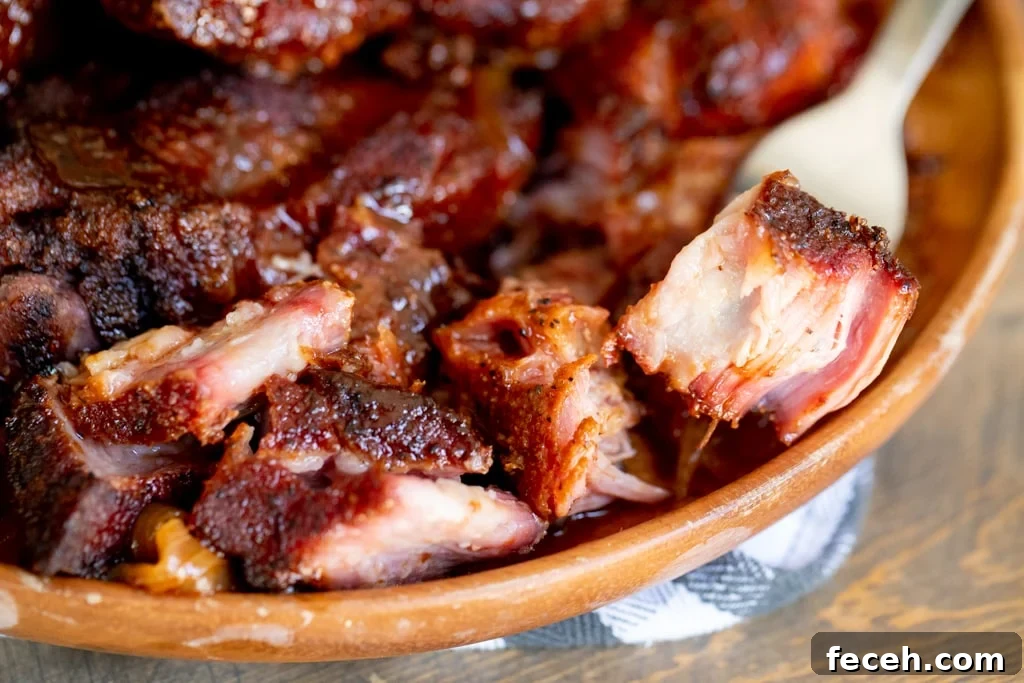
Country-style ribs, coming from the shoulder, do well at 202–205°F. Their higher fat content and robust connective tissue often require a higher temperature to achieve a shreddable texture.
Cooking Process and Pork Rib Prep Tips
Buying Ribs
If you’re unsure which rib cut you prefer, buy single racks of each and cook them side by side. Tasting each will quickly reveal whether you favor the fattiness of spares or the meatiness of baby backs.
Defrosting Ribs
Always fully defrost frozen ribs before cooking. Cooking from frozen changes timing and can lead to drier results because of the adjustments required to reach a safe final temperature.
Membrane Removal with Paper Towels
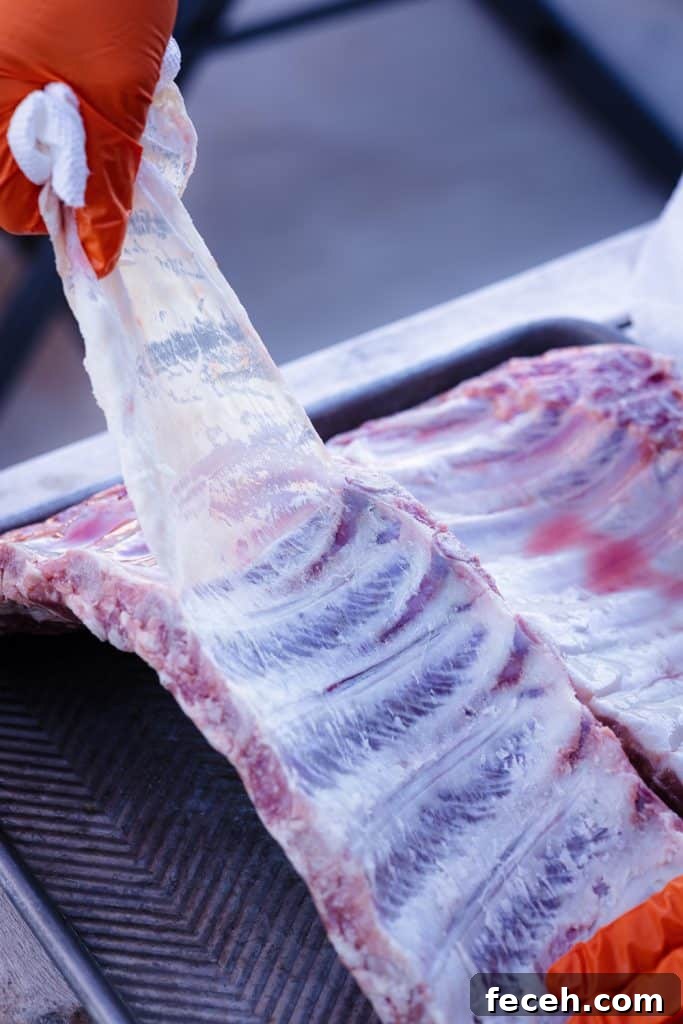
Removing the thin papery membrane on the bone side improves texture for many cooks. Lift an edge with a butter knife, grab it with a paper towel, and peel it away. Some prefer to score the membrane instead, which softens the bite without full removal.
How Long to Cook Ribs?
Time on the grill is a poor sole indicator of doneness because methods and temperatures vary widely. Ribs can finish in a couple of hours at higher heat or take 6–7 hours when smoked low and slow. Focus on texture and internal temperature rather than a fixed timeframe.
Smoking vs Braising vs Boiling
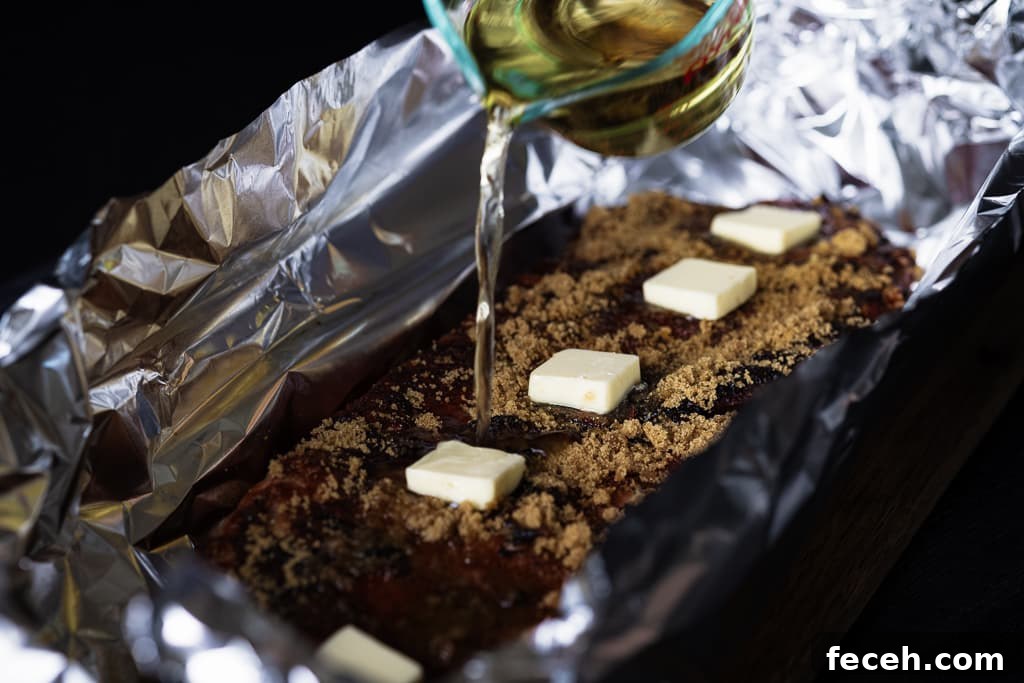
There are many ways to cook ribs: low-and-slow smoking, gas grilling with wood chips, or charcoal grilling. Braising in foil is common for tenderness. Boiling is generally not recommended if you want rich rib flavor and texture.
Smoked Pork Rib Recipes
Try different recipes to develop your rib skills and discover your preferred texture and flavor profiles. Popular approaches range from fall-off-the-bone to toothsome, bite-through ribs, all delivering great smoky flavor.
- 3 2 1 Ribs
- Low and Slow Ribs
- Hot and Fast Ribs
- Memphis Style Dry Rub Ribs
- Apple Jalapeño Smoked Ribs
- Smoked Dr. Pepper Ribs
- Maple Bourbon Smoked Baby Back Ribs
- Low and Slow Smoked Spare Ribs
- Smoked Country Style Ribs
- Fireball Peach Smoked Ribs