
I used to feature many Public Goods products on The Filtery. I appreciate the brand’s affordable, mainstream-friendly approach, its one-stop-shop convenience, and the sustainability initiatives it promotes. Over time, however, I’ve removed certain items from my guides when formulations changed or transparency slipped—for example, a hand sanitizer that later included an undisclosed fragrance.
Formulation changes are common and sometimes necessary, but it’s disappointing when ingredient transparency and safety decline. Overall, I’d place Public Goods in the “better” (but not “best”) category for ingredient safety and sustainability. I’d buy some of their products and avoid others; below I explain which ones fall into each category and why.
This review, requested by Premium Members, lays out the pros and cons of Public Goods to help you decide whether to shop from them. P.S. the code FILTERY20 currently gives 20% off if you decide to buy anything.
What this review covers:
- The PROS. Here is what I LIKE about Public Goods:
- The CONS. Here is what I DON’T like about Public Goods:
- A few other things you might care about:
- My thoughts on using Public Goods products
- Let’s break it down… Here are the products I would buy, and the ones I wouldn’t
- These are the products I would buy
- These are the iffy ones
- These are the things I would not buy
- All things considered: Is a Public Goods membership worth it?
- 🍋 Join Thousands of Subscribers Reducing Toxic Chemicals
This guide contains product recommendations; we may receive compensation if you purchase through certain links. As always, our recommendations are genuine.
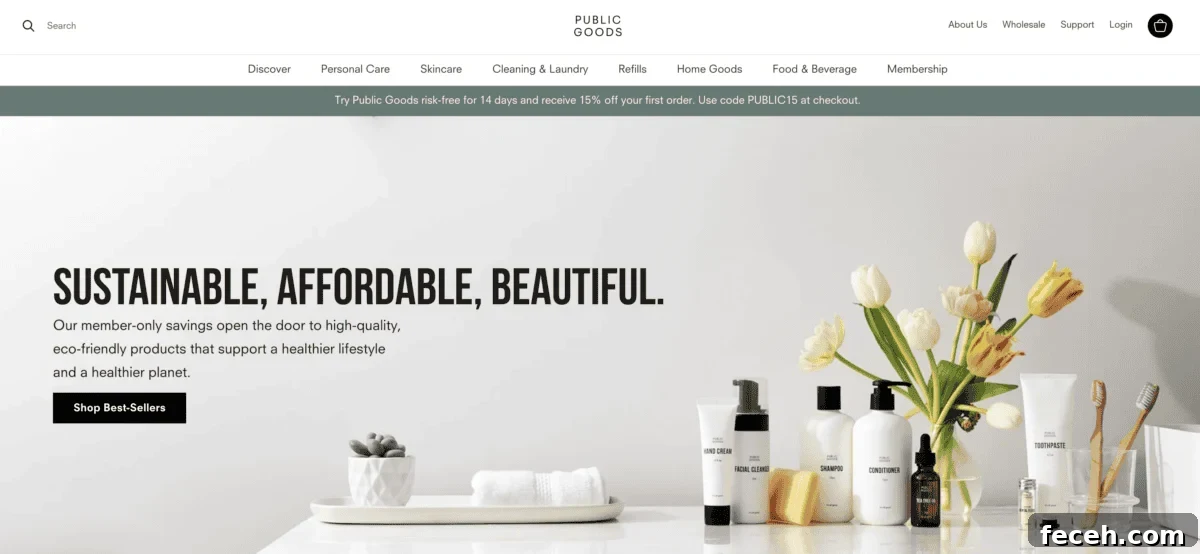
The PROS. Here is what I LIKE about Public Goods:
- Many products avoid the worst ingredients such as phthalates, parabens, and PFAS.
- The brand is approachable for mainstream shoppers—people who aren’t deeply into non-toxic products find it easy to use and like the results.
- They carry a wide range of categories—personal care, home goods, groceries—so you can consolidate shopping and potentially reduce shipping footprint.
- Several items are plastic-free, low-plastic, or refillable, even though plastic is still used in parts of the line.
- Grocery items generally use minimal ingredients and many contain organic components.
- Their minimal, gender-neutral design is attractive and practical.
- Customer service has been responsive and helpful in my experience.
- Students get 20% off first orders.
- Public Goods supports nonprofit efforts including tree-planting and food banks.
The CONS. Here is what I DON’T like about Public Goods:
- Ingredient transparency can be inconsistent. Some products list only “fragrance” or “natural fragrance” without disclosing components, and a few product pages don’t clearly show a full ingredients list.
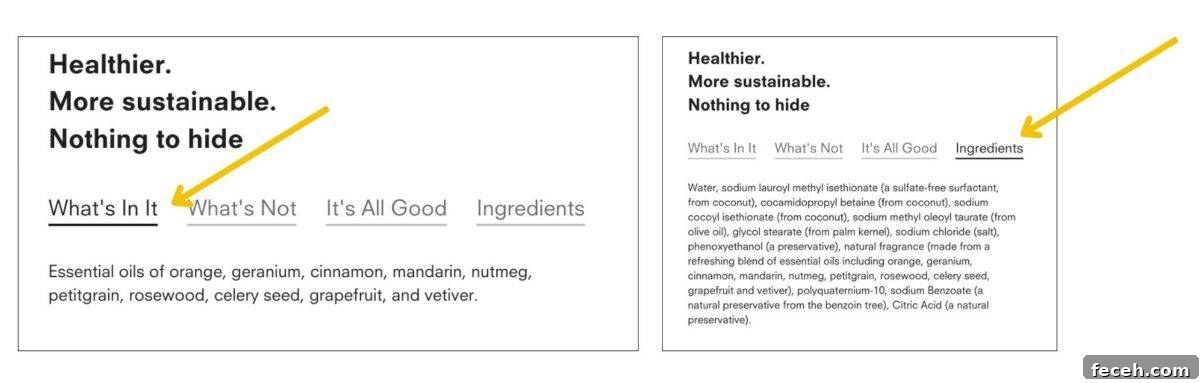
- The product page layout can be confusing: a “What’s In It” section may read like an ingredient list but isn’t the formal ingredients panel, which appears separately and can be easy to miss.
- Plastic is still present in many items and packaging.
- Some formulations include ingredients I typically avoid, such as undisclosed fragrances, ethoxylated surfactants (which raise contamination concerns), and phenoxyethanol (a preservative some people choose to minimize).
A few other things you might care about:
- Public Goods uses a membership model: a 14-day free trial followed by a $79 annual fee. This helps keep product prices lower, similar to warehouse memberships, but whether it’s worth it depends on how much you buy.
- Products are manufactured in various countries—U.S., Canada, China, and others—so check specific product pages if origin matters to you.
- Many items are vegan, but not all (for example, some dental floss uses silk), so verify product details if vegan standards matter.
My thoughts on using Public Goods products
I’ve tried many Public Goods items over the years. Some are in my “would buy” list, others fall into “iffy” or “wouldn’t buy” categories now that formulations have changed or transparency is lacking. Examples I still use and like: wool dryer balls, PFAS-free floss, and glass food storage containers. The brand’s products tend to be simple and functional—no unnecessary bells and whistles—and that minimalist approach appeals to me.
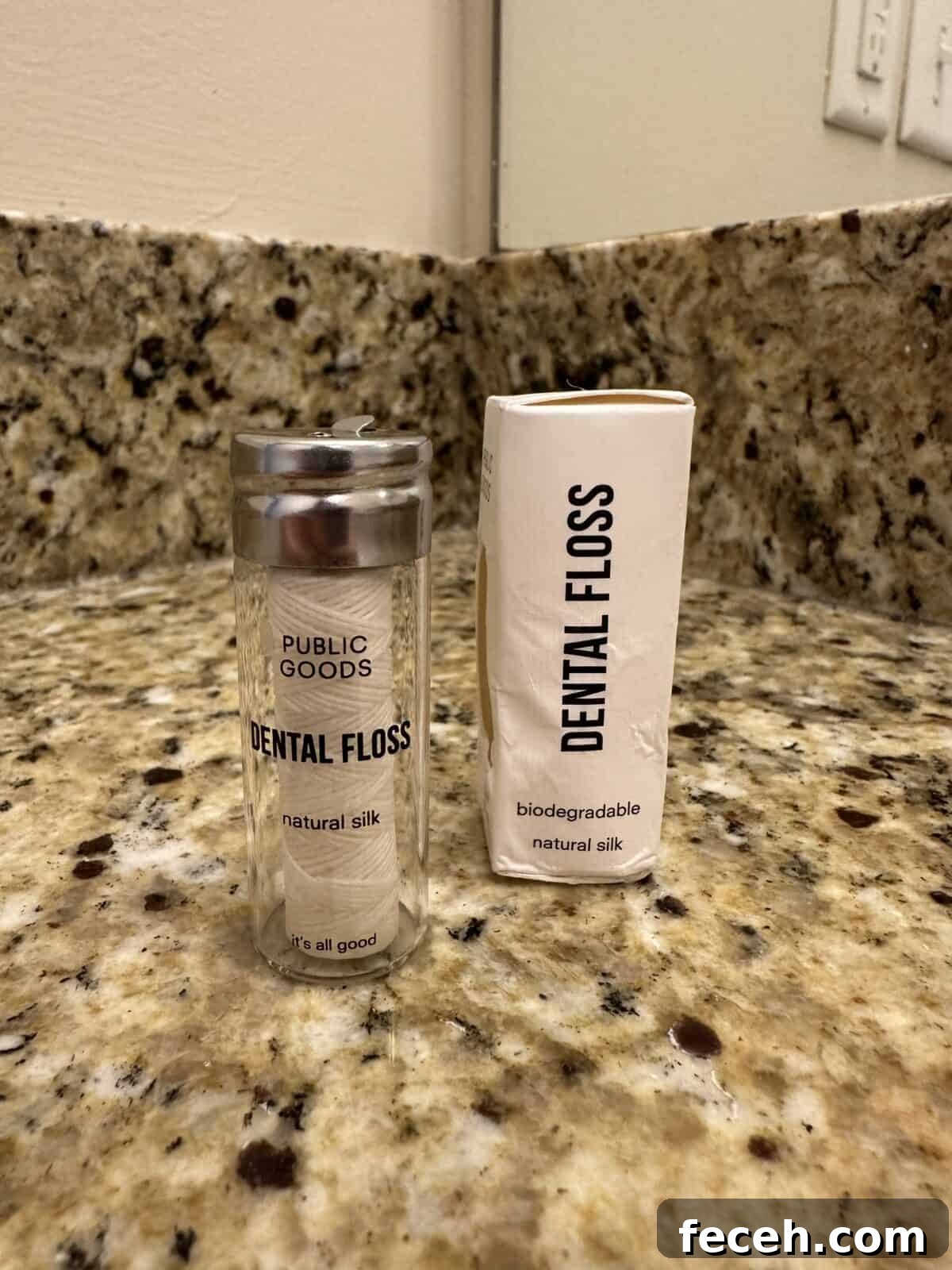
I like their floss. It’s durable and glides well; it’s made with silk and candelilla wax and is PFAS-free.
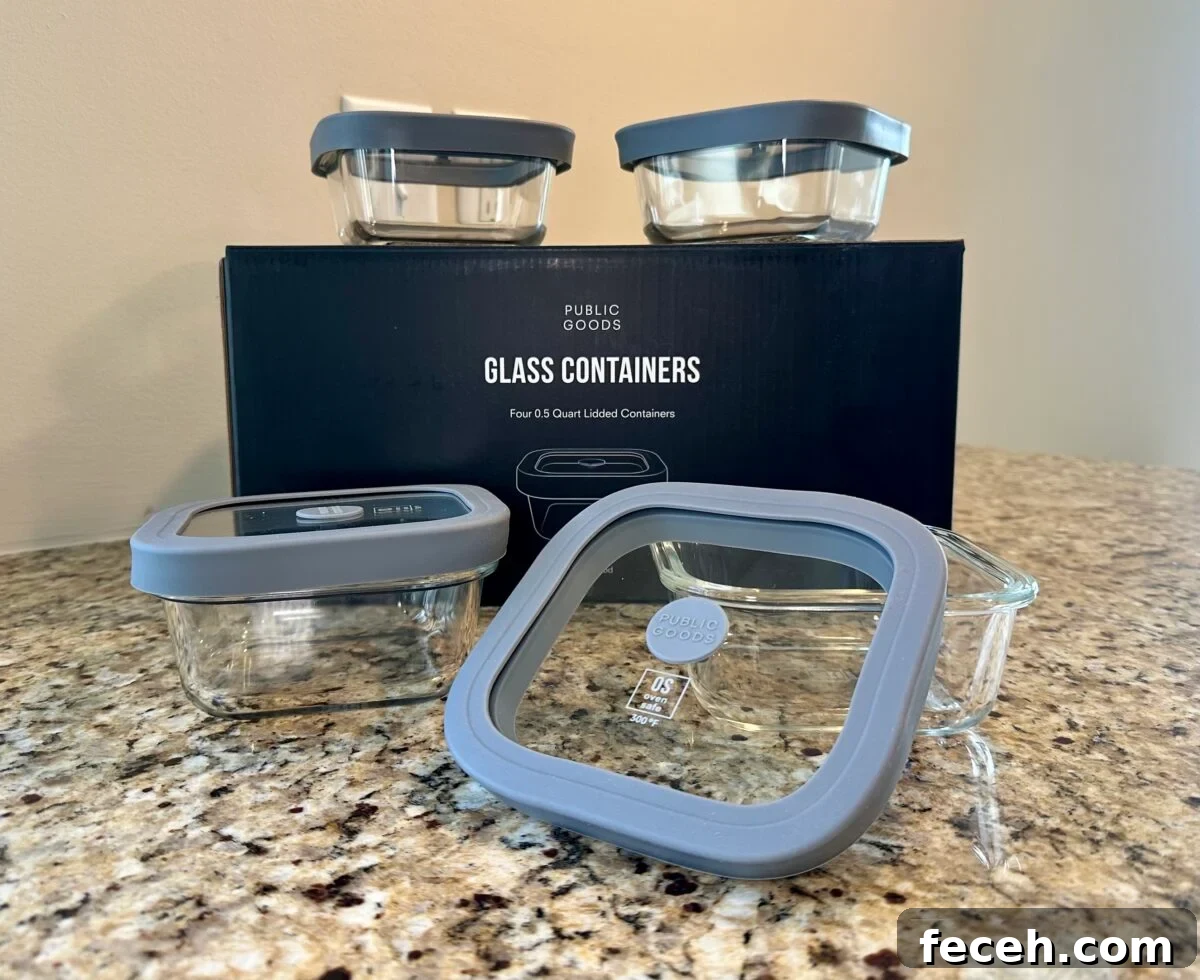
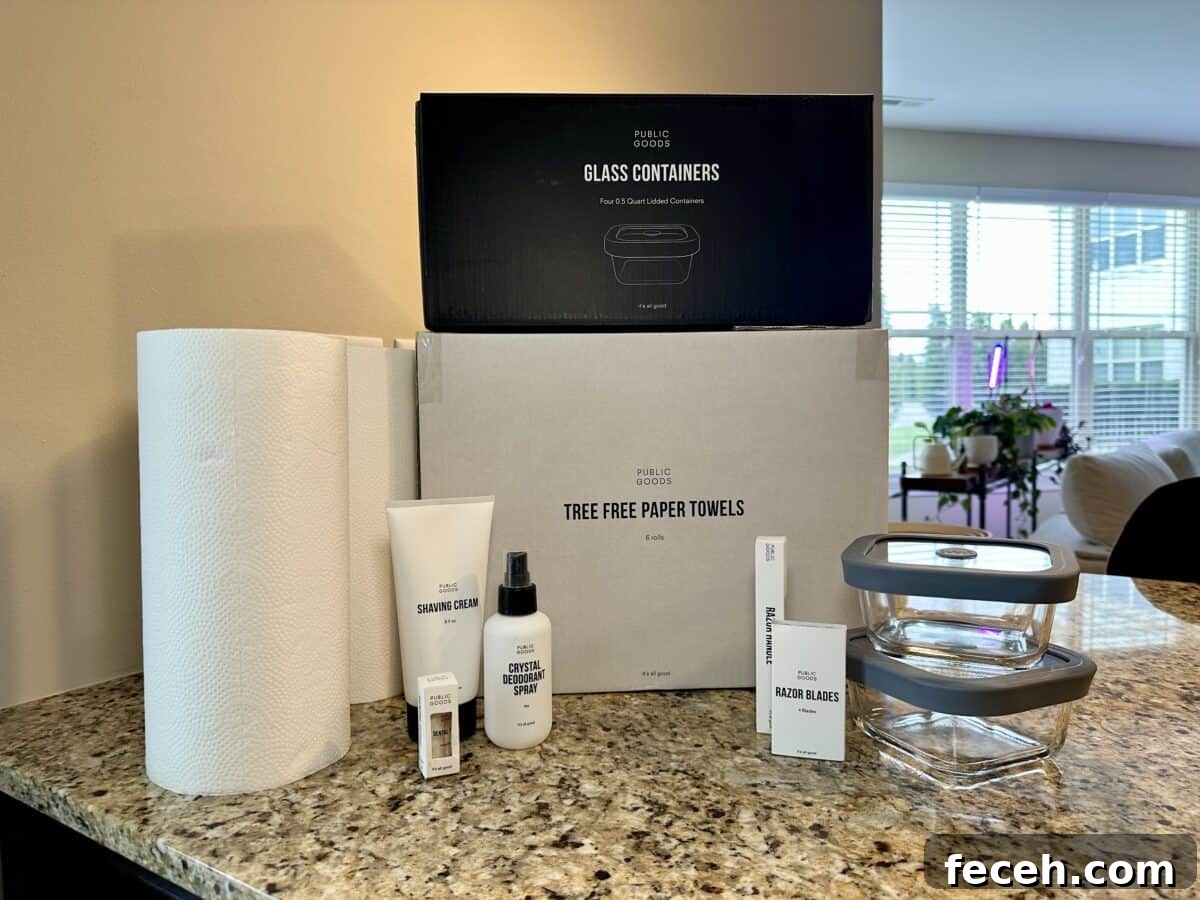
I appreciate their glass storage containers: they’re plastic-free (glass and silicone lids), well-made, and seal tightly.
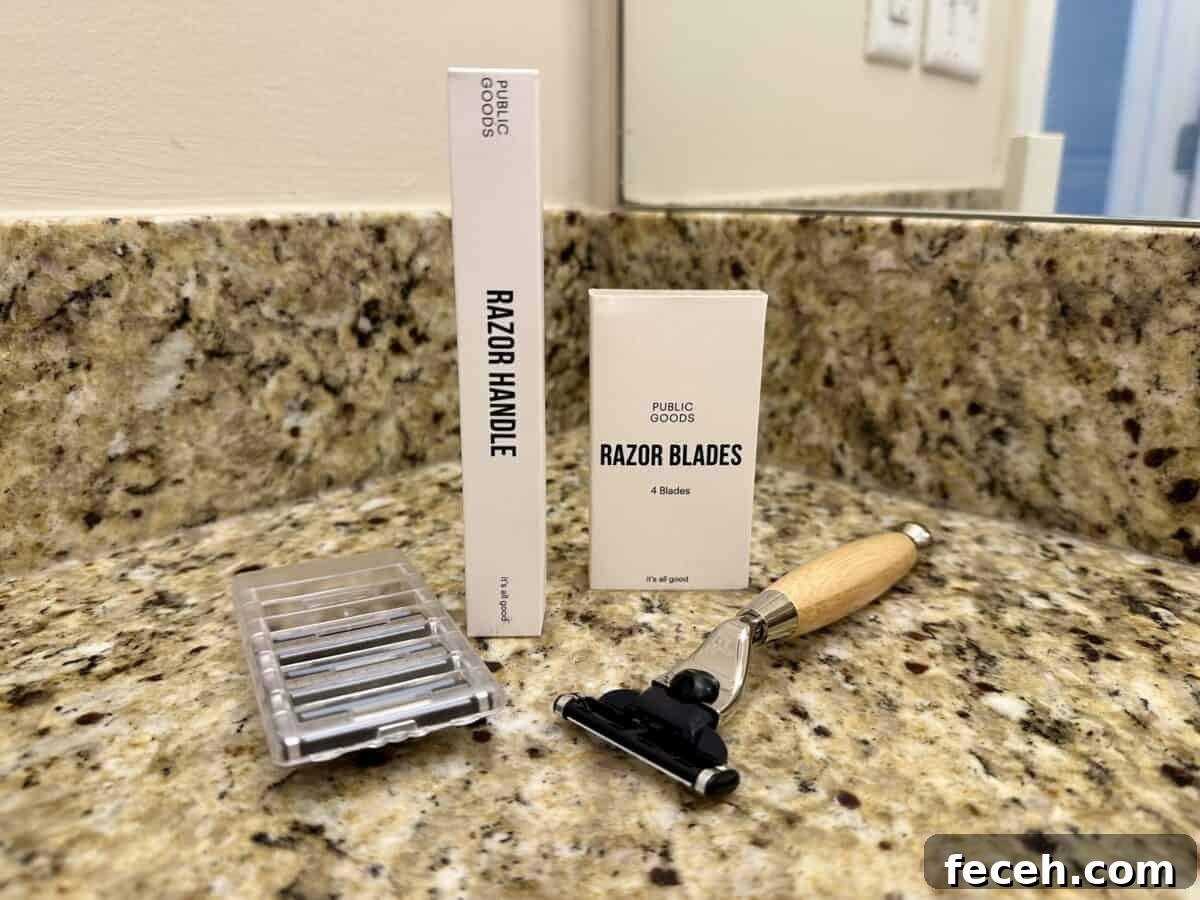
Their razor is sleek, gender-neutral, and PFAS-free. The replaceable three-blade heads provide a close shave; I’d likely repurchase replacement blades for continued use.
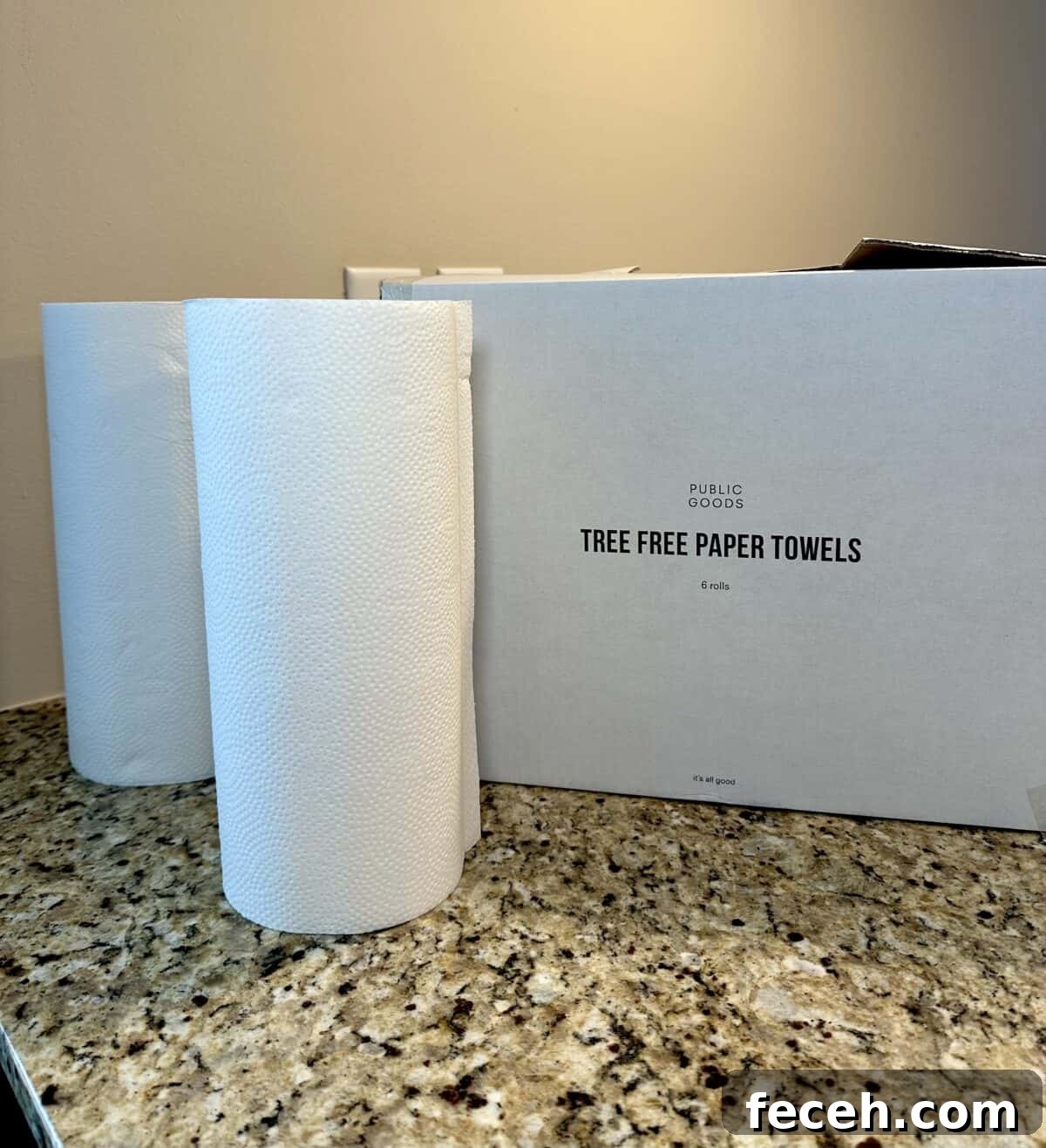
The tree-free paper towels work well for everyday tasks. They’re not as thick as mainstream brands, but they’re functional and more eco-friendly.
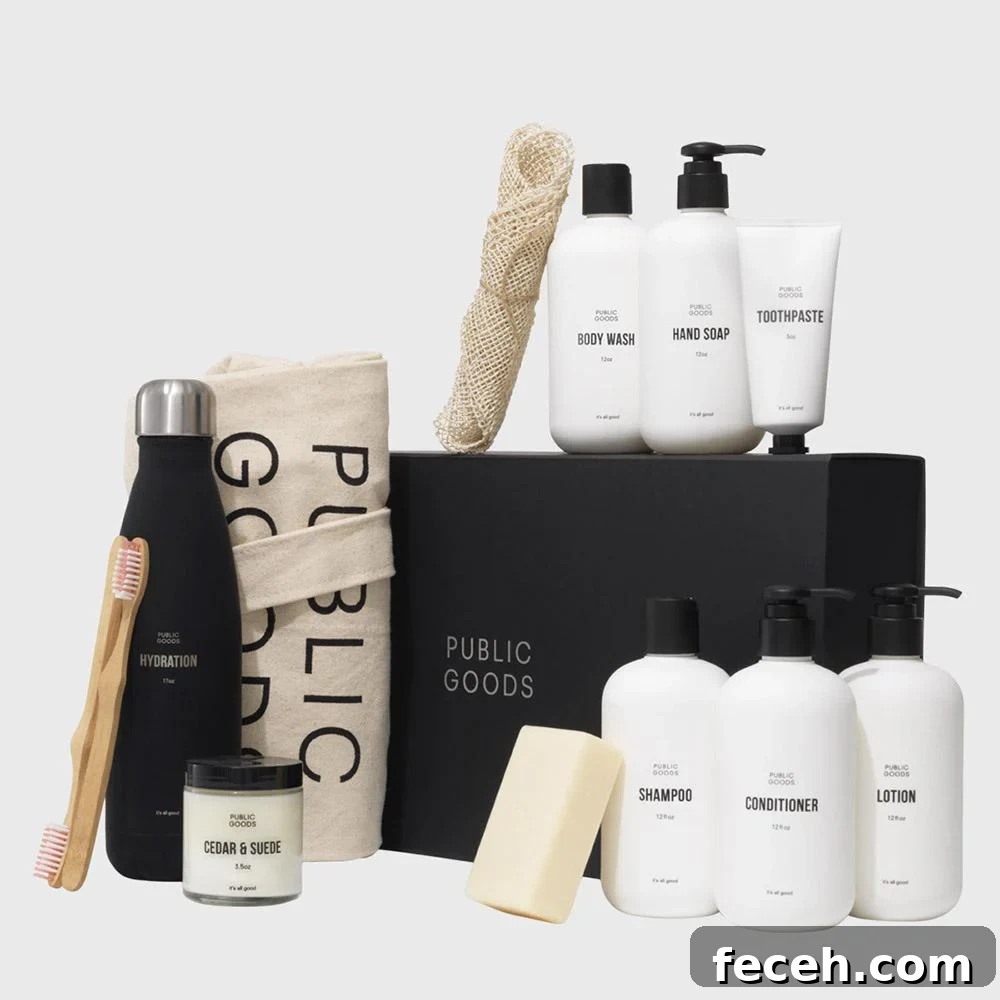
Let’s break it down… Here are the products I would buy, and the ones I wouldn’t
I reviewed every Public Goods product available as of mid-2024 to assess ingredient and material safety. Formulations and product lines change, so double-check ingredients before purchasing.
These are the products I would buy
Skincare
- Facial Mist
- Gua Sha
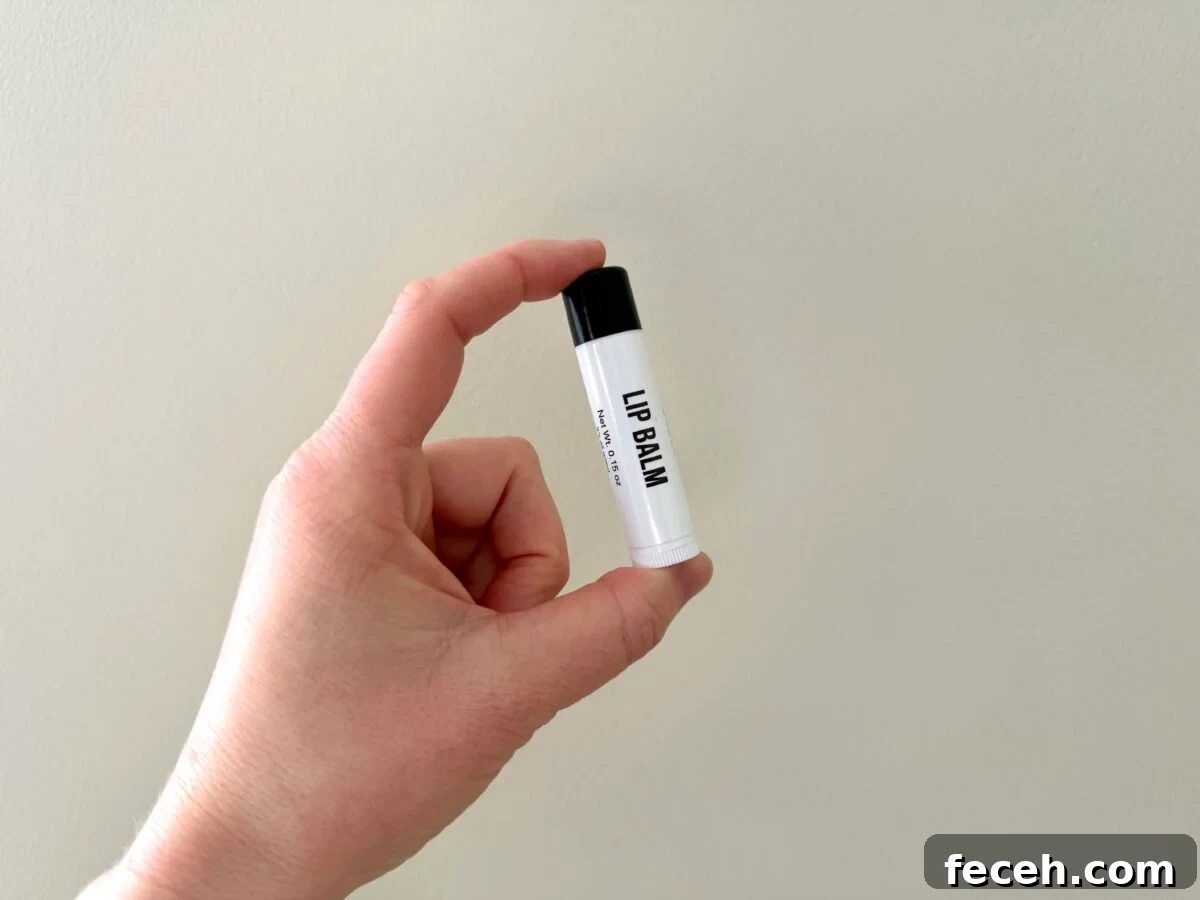
- Lip Balm
- Argan Oil
- Beard Oil
- Aloe Vera Gel
- Witch Hazel Toner
Personal Care
- Shampoo Bar
- Breath Mints
- Razors (stainless, refillable)
- Dental Floss (silk-based, PFAS-free)
- Sea Sponge
- Ayate Washcloth and Bath Strip
- Stainless Steel Water Bottle
- Organic Cotton Tote Bag
- Various stoneware items (toothbrush holder, soap dish, vanity jar)
- Banana Leather Notebook
Cleaning & Laundry
- Glass spray bottles & dispensers
- Wool dryer balls
- Glass cleaner
Home Goods
I’d buy many of the home goods because they’re affordable, durable, and mostly plastic-free or low-plastic.
- Glassware and tumblers
- Stainless steel flatware
- Organic cotton placemats, napkins, and towels
- Glass canisters
- Ceramic dinnerware and mugs
- Wooden serving boards and utensils (uncoated)
- Silicone storage bags and bowl covers (functional, though I might prefer certain alternative brands)
- Kitchen tools such as funnels, strainers, peeler (choose uncoated versions when available)
- Bath towels, bath mat, oven mitts
- Coffee gear like French press, pour-over, and filters
- Mesh and produce bags
- Stationery and houseplants
Food/Grocery
- Most grocery items are fine: many use organic or minimal ingredients and low-plastic packaging. Check specifics for any dietary or ingredient concerns.
These are the iffy ones
These products aren’t the worst, but they include ingredients or materials I’d prefer to avoid if possible. If you already own them, use them up; for repurchase, consider cleaner alternatives.
Skincare
- Foot Cream (contains PEG-40, natural fragrance)
- Vitamin C Serum (contains phenoxyethanol and other questionable ingredients)
- Eye Cream and Clay Mask (phenoxyethanol)
- Hand Cream (contains potential allergens)
- Hair Oil (uses highly processed rapeseed oil)
- Body Wash and Lotion (undisclosed fragrance, phenoxyethanol)
- Bar Soap (fragrance)
- Facial Cleanser & Creme Cleanser (phenoxyethanol; less concerning because they are rinsed off)
Personal Care
- Tampons (chlorine-free but not certified organic)
- Hand Sanitizing Spray (contains fragrance allergens; considerate use recommended around sensitive people)
- Shaving Cream (undisclosed natural fragrance, phenoxyethanol)
- Bath Salts (some ingredient listings unclear)
- Wax Pomade (phenoxyethanol)
- Toothpaste (fluoride-free but contains cocamidopropyl betaine)
- Crystal Spray Deodorant (contains potassium alum; works for many, but not fully aluminum-free)
- Hand Soap (undisclosed natural fragrance, phenoxyethanol)
- Nail tools marked as powder-coated (claimed PFAS-free but coating composition unclear)
- Disposable razors (compostable claims are interesting, but I prefer refillable heads)
- Conditioner & Liquid Shampoo (contain conditioning polymers and phenoxyethanol; shampoo also has undisclosed fragrance)
Cleaning & Laundry
- Compostable garbage bags (require industrial composting)
- Tree-free tissues, napkins, and paper towels (bleached ECF—better than many options but not the best)
- Toilet paper (unclear bleaching method)
- Dish soap and general cleaners (contain a few ingredients with contamination or environmental concerns)
Home Goods
- Tongs and some tools with silicone tips (silicone tolerates moderate heat; I’d choose all-stainless options for high-heat tasks)
- Silicone utensil sets (better than plastic but I prefer wood or stainless)
- Large cutting board (made of wood fiber/paper bonded with resin—I’d prefer a solid wood board)
- Beeswax-style wraps with vague ingredient lists (“plant oils and tree resin”)—I prefer fully disclosed alternatives
- Candles labeled with “essential oils” but without detailed disclosure
Food/Grocery
- Some groceries list “natural flavors” or use seed oils like canola—these aren’t deal-breakers for me but may matter depending on your preferences.
These are the things I would not buy
Skincare
- Foot Scrub (fragrance and other questionable ingredients)
- Facial Moisturizer (dimethicone, phenoxyethanol, and other ingredients I prefer to avoid)
- Micellar Water (multiple problematic ingredients)
- Reusable Cleansing Rounds (contain polyester; choose organic cotton options instead)
Personal Care
- Hand Sanitizer Gel (undisclosed fragrance)
- Toothbrush (nylon bristles—prefer non-plastic options)
- Spa Headband made from recycled plastic (choose organic cotton alternatives if you want natural fibers)
- Vitamins & Supplements (prefer brands with clear sourcing, testing, and quality controls)
Cleaning & Laundry
- Laundry detergent pods and dishwasher pods (I avoid PVA-based pods for environmental reasons)
- Fabric softener sheets (contain many undesirable ingredients)
- Laundry detergent sheets (do not list full ingredients)
- Walnut scouring pad and certain scrub sponges (materials are described vaguely; I prefer clearly disclosed compositions)
Home Goods
- Powder-coated tools and utensils when an uncoated option is available (coating composition was not disclosed though claimed PFAS-free)
Food/Grocery
- Tea bags that use nylon or PET
- Coffee pods (plastic)
- Canned goods (most canned linings still use bisphenol-based resins; I limit canned food overall)
All things considered: Is a Public Goods membership worth it?
It depends on your priorities.
Membership could be worth it if:
- You’re not extremely particular about every ingredient and mainly want to avoid the worst chemicals like phthalates, parabens, and PFAS.
- You value the convenience of buying many categories from one retailer.
- You like the minimalist aesthetic and don’t mind some plastic packaging.
Membership might not be worth it if:
- You demand the cleanest, most transparent ingredient sourcing and formulations.
- You are trying to minimize plastic use and go as low-waste as possible.
I hope this helps you decide whether Public Goods fits your needs. If you have more questions, leave a comment below.