
The gluten-free diet can be expensive. Below are 10 practical money-saving tips to help you live gluten-free on a budget without sacrificing safety or taste.

*This post contains affiliate links, through which the author may earn a small commission from qualifying purchases at no extra cost to you.
One of the biggest surprises when switching to gluten-free is the price difference. A loaf of regular bread might cost $0.99, while gluten-free loaves often exceed $4. Many gluten-free substitutes—cookies, crackers, pasta, cake mixes—carry a significant markup. Research has shown that gluten-free alternatives can be substantially more expensive per gram than their gluten-containing counterparts. Because of that, managing a gluten-free household requires strategy. Here are ten tips to lower your grocery bill while keeping your diet safe and satisfying.
1. Avoid the “gluten-free” aisle when possible
It may sound counterintuitive, but you don’t always need to buy products marketed in the gluten-free aisle. Many mainstream products are naturally gluten-free or are produced and labeled in ways that make them safe. For example, common spice mixes or pantry items from reputable manufacturers often declare allergens clearly on the label and have procedures in place to prevent cross-contact. Reading ingredient lists and allergen statements lets you choose regular-priced items that meet your needs. This approach can save hundreds over time.
2. Utilize coupons
Gluten-free brands frequently offer coupons and promotions. Sign up for manufacturer emails, follow brands on social media, and check their websites for printable or digital coupons. Grocery store apps also deliver personalized offers tied to your loyalty card. Combining store sales with manufacturer and in-app coupons reduces your out-of-pocket cost substantially—sometimes making items nearly free.
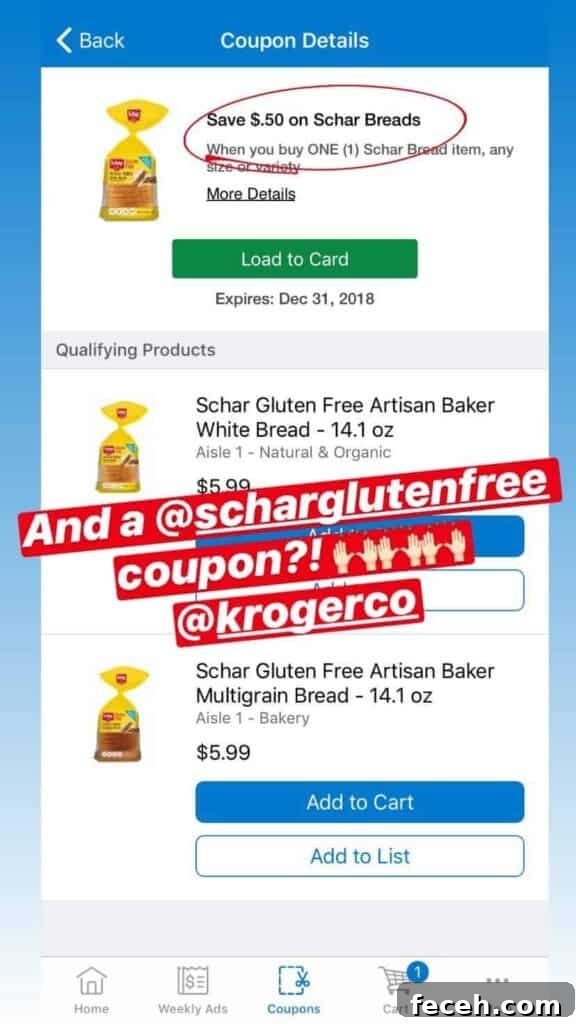
Pro tip: Attend local gluten-free expos or sample events to collect high-value coupons and free products.
3. Become a meal planner
Plan weekly meals around store sales. Checking weekly ads and mapping meals to current discounts lowers your grocery bill across the board. If a cut of meat or a vegetable is on sale, center your recipes around those items. Meal planning also reduces food waste and prevents impulse buys.
4. Stock up
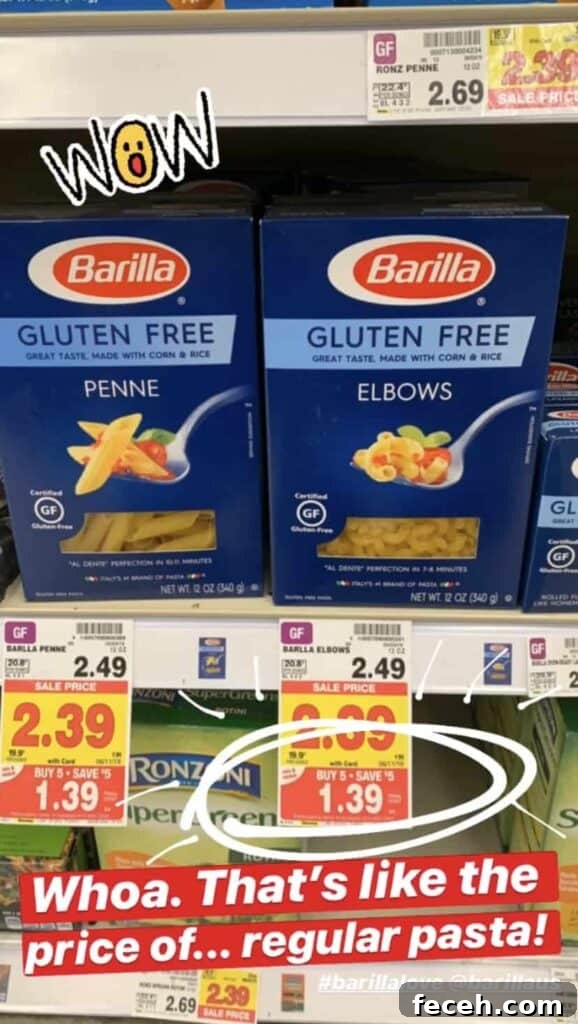
When you find an excellent deal on gluten-free staples, buy multiple items—provided you will use them before they expire. Stocking up on pasta, flours, canned goods, and frozen items when they’re deeply discounted stretches your budget. However, avoid overbuying things that won’t be used or could spoil.
5. Get a gluten-free(zer)
Many gluten-free flours, starches, nuts, and baked goods store much better in the freezer. Freezing reduces the risk of rancidity and extends shelf life. If you have space, keep a dedicated freezer stocked with bread, buns, flours, frozen fruits and vegetables, and other pantry staples bought on sale. This allows you to buy in bulk with confidence and stretch special buys over months.
6. Make the most of your gluten-free purchases
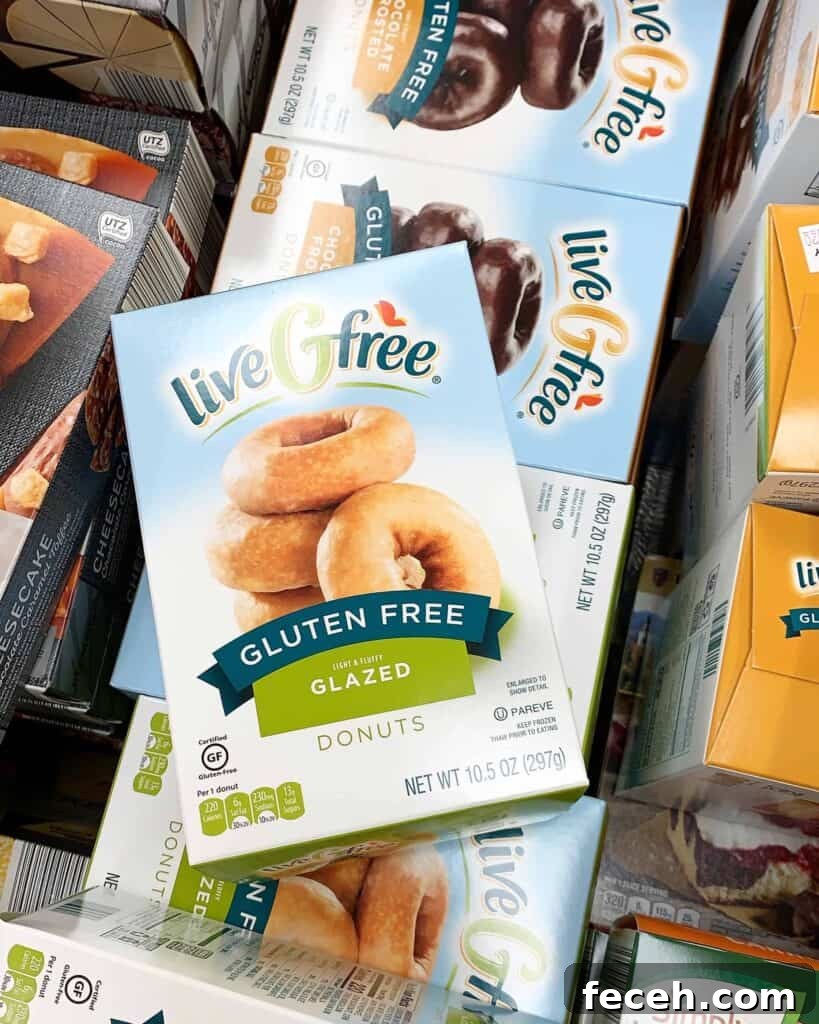
Avoid food waste by storing opened items properly and portioning foods to extend meals. Freeze leftover bread immediately after opening, tightly wrapped, and thaw slices as needed. With frozen pizzas, cut them into portions and cook just what you need; rewrap and return the rest to the freezer for a future meal. Small habits like these double or triple the number of meals you get from one purchase.

7. Learn to love shopping online
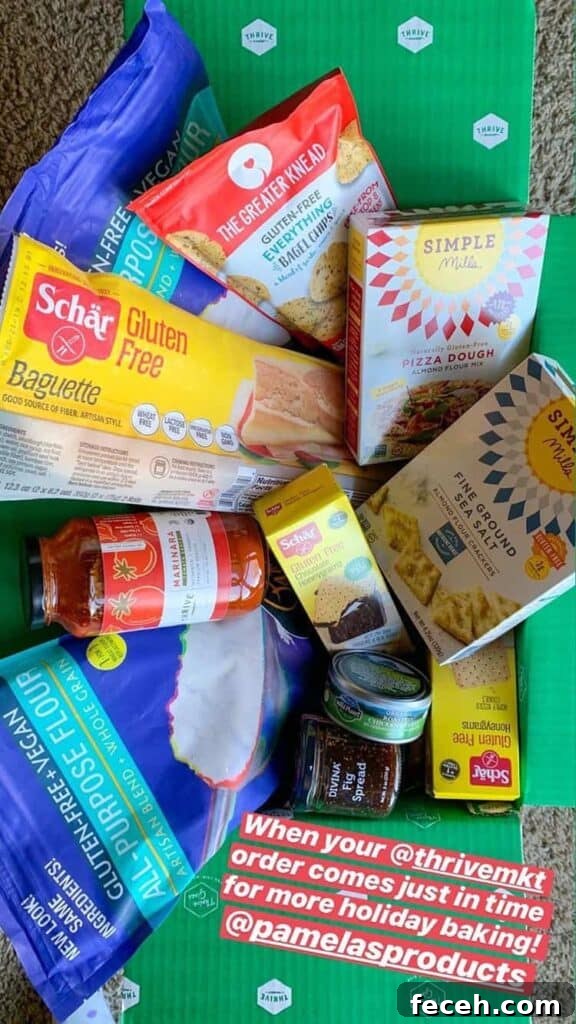
Online retailers often carry competitive prices and bulk sizes not available locally. Amazon, large national retailers, and membership sites can offer deep discounts, free shipping thresholds, and occasional freebies. When ordering online, reach the free shipping minimum by adding items you know you’ll use, such as flours or pantry staples. Specialty marketplaces may also have member programs or giveaways that lower the cost of premium gluten-free products.
8. Buy in bulk when it saves money
Compare per-pound or per-unit prices and buy the larger size when it results in meaningful savings. For example, larger bags of flour or multi-packs often lower the per-pound cost. Store extra products in your freezer or pantry and rotate stock so nothing spoils. Buying in bulk is one of the easiest ways to lower unit costs over time.
9. It’s okay to share the kitchen
You don’t need a completely separate home kitchen to live safely gluten-free, although some precautions are essential. Practical steps include prohibiting gluten flours, using a separate toaster and clearly labeled jars for spreads, and keeping dedicated gluten-free utensils where cross-contact would be a risk. If you are the primary cook and cleaner, maintaining strict cleaning practices reduces cross-contact and lets you share many kitchen spaces while saving money.
10. Realize you may be saving money in other ways
Going gluten-free often reduces eating-out and impulse purchases. The money previously spent on takeout, coffee shop treats, or convenience meals can be redirected toward higher grocery costs. Over time, as you become familiar with brands, store patterns, and sale cycles, the initial sticker shock fades and managing a gluten-free budget becomes easier.

With planning, labeling, smart shopping, and a few storage tricks, it’s possible to live gluten-free without breaking the bank. What money-saving tip has worked best for you? Share your favorite strategy or idea to help others stretch their gluten-free grocery budget.