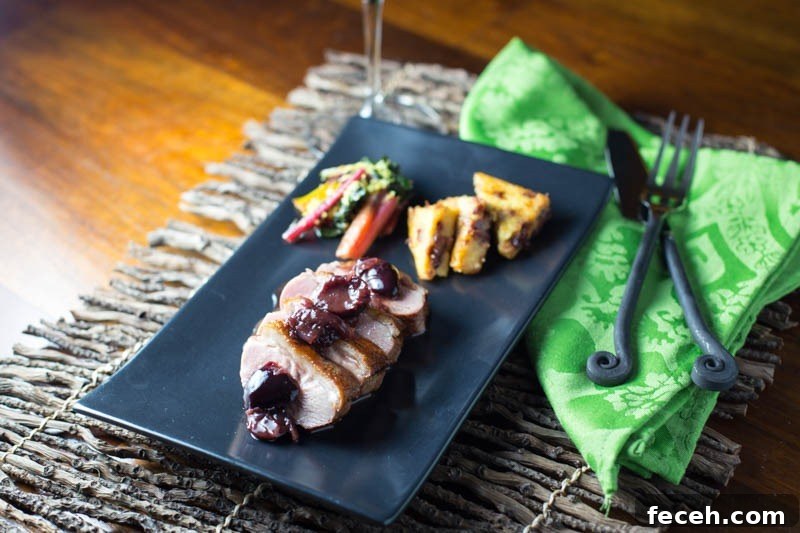
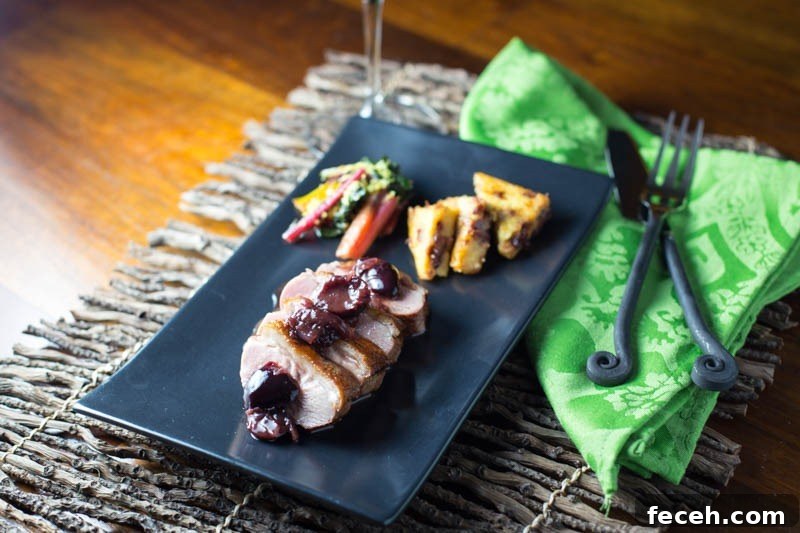
Mastering duck breast is a milestone for any serious outdoor cook. The thick fat layer can intimidate, but a ceramic grill like the Big Green Egg creates the steady, high heat that turns that fat into crisp, golden skin. Think of duck breast as the “steak of the bird world”: a rich, red meat that responds exceptionally well to a wood-fired, high-heat sear.
The key to an outstanding seared duck breast is proper rendering. A preheated cast iron skillet gives you an immediate, even sear that starts liquefying the fat and driving it away from the skin. In this guide, you’ll find practical “grilling by feel” techniques to reach a perfect medium-rare center and a deep mahogany crust. Whether it’s for a special occasion or a weekday treat, this method delivers consistent, restaurant-quality results.
So pour a glass of your favorite red, and follow this guide: How to Sear Duck Breast on the Big Green Egg: The Ultimate Guide.
Step 1: Prepping the Duck for the Perfect Render
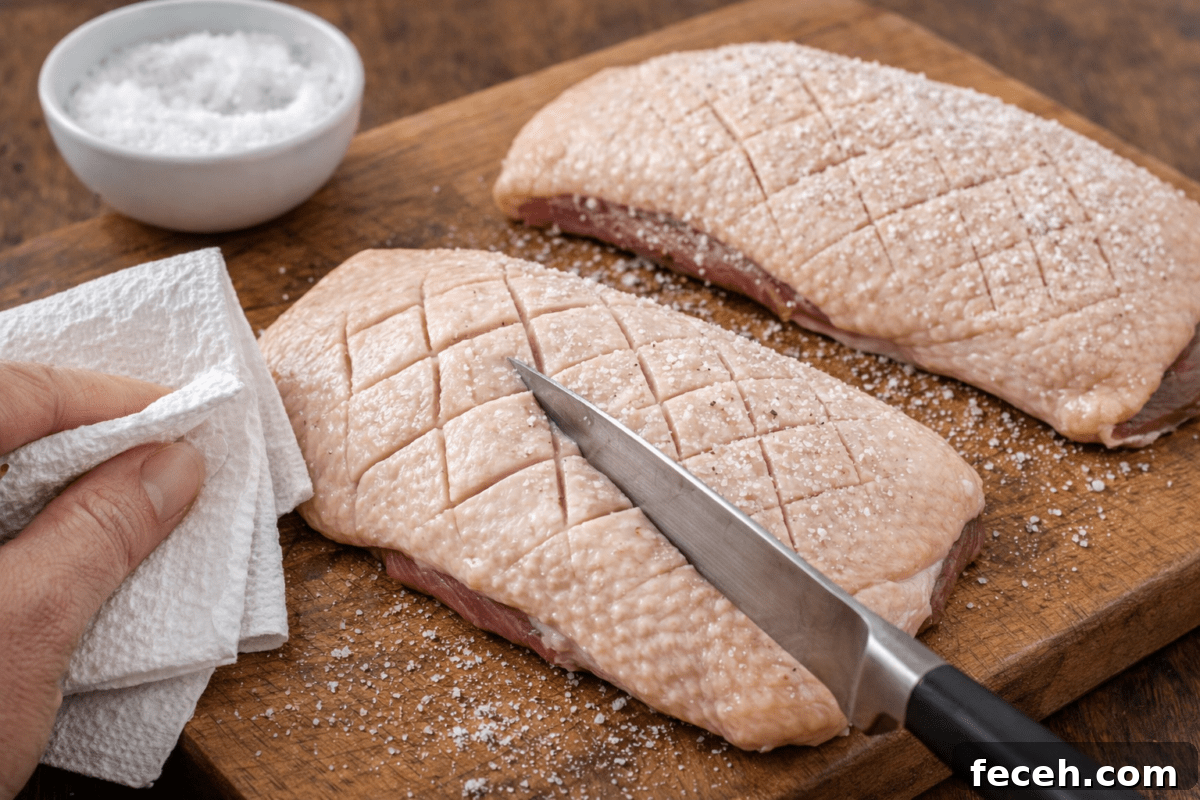
Preparation is the most important step when learning how to sear duck breast on the Big Green Egg. Unlike steak, duck benefits from scoring the skin so the fat can escape while cooking. If you skip scoring, the fat can remain trapped and the skin will stay rubbery instead of becoming crisp.
Use a very sharp knife to score a crosshatch pattern through the fat without cutting into the meat. Pat the breasts dry with paper towels—any surface moisture prevents a good sear. Finish by seasoning generously with kosher salt on both sides; the salt helps draw out remaining surface moisture and seasons the fat as it renders.
Step 2: Big Green Egg Setup and Cast Iron Prep
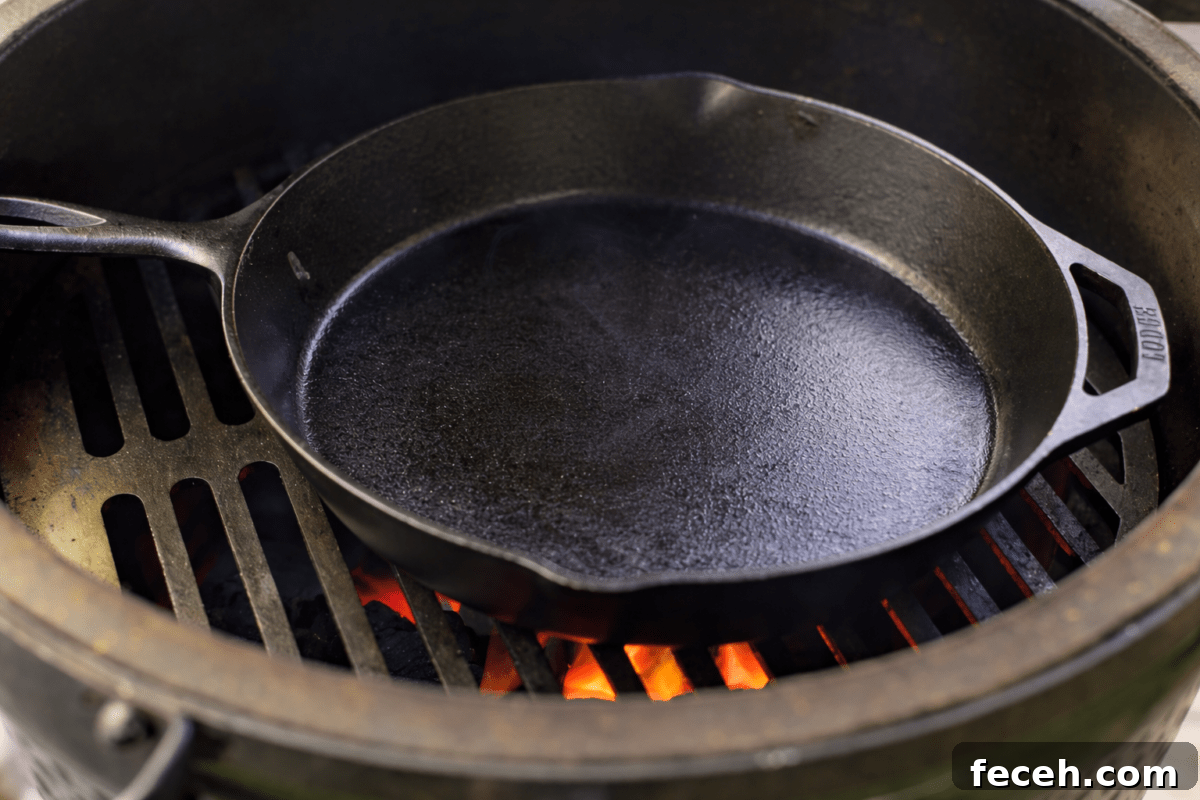
The Big Green Egg excels at temperature stability, which is why it’s ideal for cooking duck. Use a heavy cast iron pan—Lodge or similar—on the grate for even heat distribution. Cast iron helps render the thick fat steadily without scorching the skin.
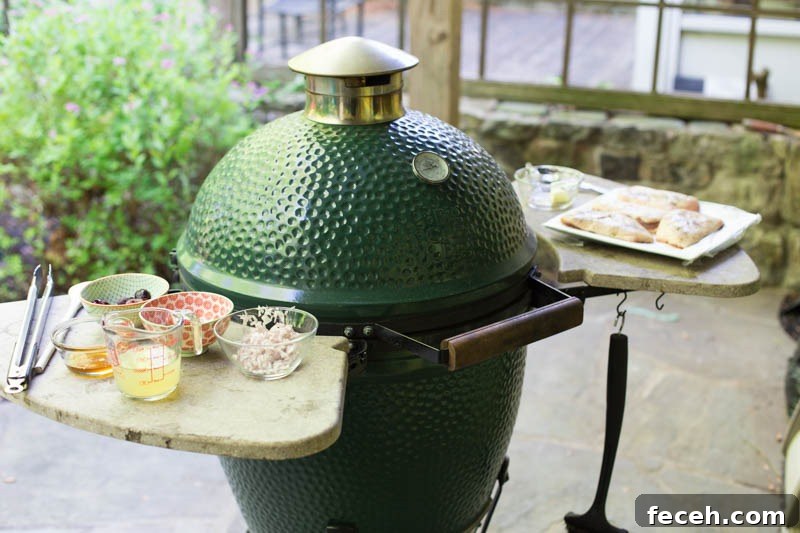
Stabilize the Egg at 400°F and preheat the cast iron for at least ten minutes. The pan should be hot enough to start the render but not so hot that the fat smokes instantly. While the grill comes up to temperature, prepare your sauce ingredients so they’re ready the moment the meat is resting. Duck cooks quickly after the flip, so having cherries, stock, shallots, port, and honey at the ready is essential.
Step 3: The Sauce Mise en Place
A bold duck breast needs a sauce that matches its flavor. This recipe pairs Tawny Port with cherries for a balanced reduction: port adds rounded sweetness while cherries bring bright tartness to cut through the rich, salted skin. Assemble and measure your pitted cherries, chicken stock, minced shallots, port, and honey before you start cooking so you can build the sauce quickly once the duck is resting.
Speed is crucial for a pan sauce. The hot cast iron will hold intense heat, so you don’t want to be prepping ingredients while the pan is empty. Having everything within reach lets you move immediately from sear to glaze without losing heat or flavor.
Step 4: The Art of the Render
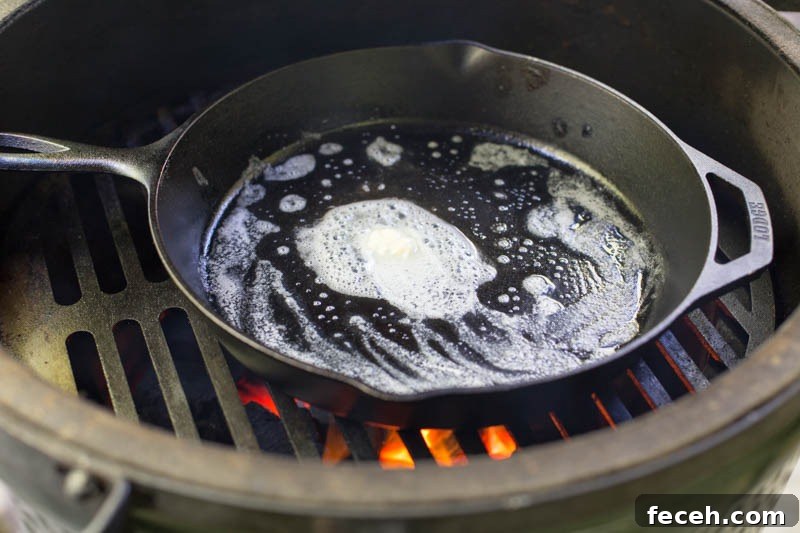
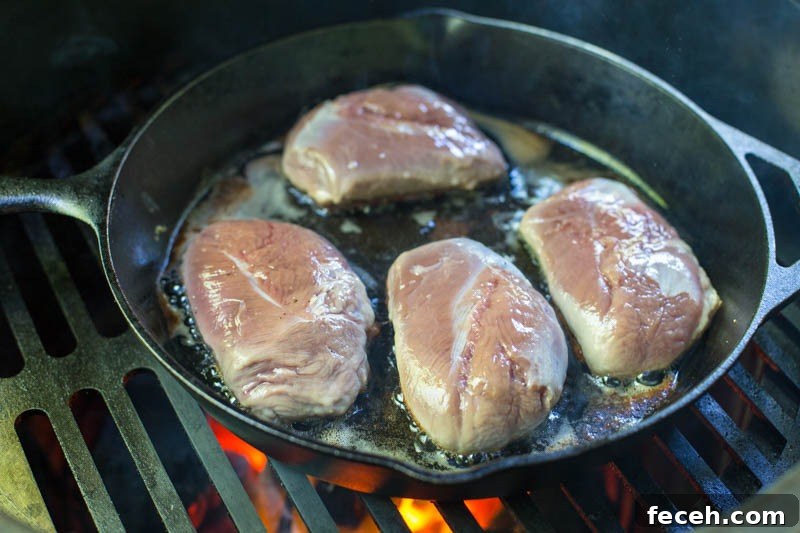
Patience is the defining factor in a successful duck breast. Once the butter melts in your preheated cast iron pan, place the breasts skin-side down. You’re not simply searing; you’re slowly melting the subcutaneous fat so the skin becomes paper-thin and crisp. Rushing this step risks leaving a chewy, under-rendered fat layer.
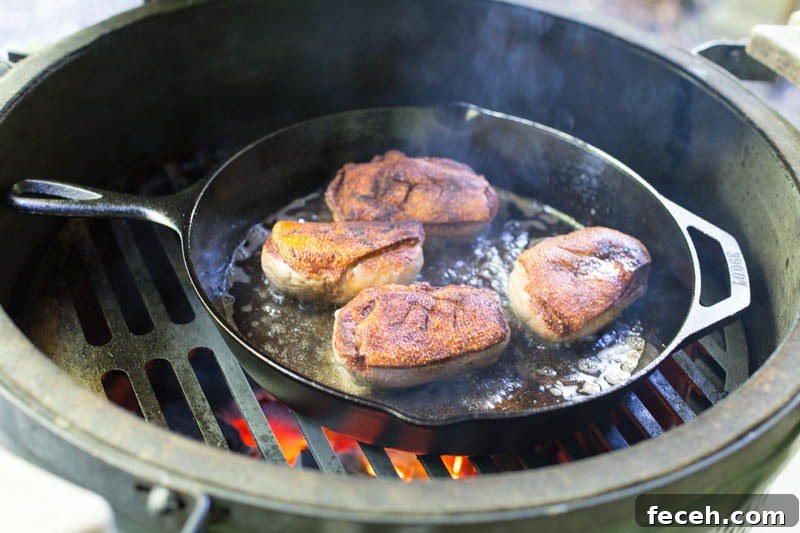
Keep the skin down for about 10 minutes. During this time the fat will liquefy into the pan and the skin will crisp and darken. You should hear a steady sizzle, but the heat should not be so fierce that the skin burns before fat renders. Once the skin reaches a deep mahogany and feels firm, it’s time to flip.
Step 5: The Flip and the Finish
When the skin is deeply browned and firm, flip the breasts and sear the meat side for roughly 5 minutes. This stage is quicker because most of the rendering work is done; now you aim to bring the internal temperature to medium-rare.
Use an instant-read thermometer for precision. Pull the duck when it reaches about 130°F, as carryover heating will bring it to a recommended resting temperature of 135°F. Overcooking duck will dry it and dull its flavor, so rely on temperature rather than guesswork for the best outcome.
Step 6: Finishing the Port and Cherry Reduction
After removing the duck, you’re left with rendered fat and fond—the ideal base for a pan sauce. Pour off most of the fat into a jar for later use, leaving about two tablespoons in the skillet. Those browned bits will give your sauce depth.
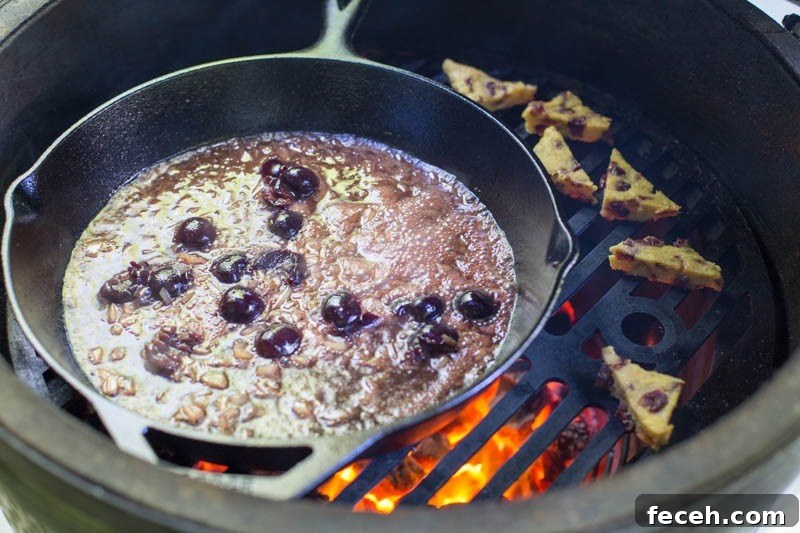
Sauté the shallots in the reserved fat until translucent, then add the port, chicken stock, cherries, and honey. Bring the mixture to a boil over the Egg’s direct heat, then reduce and simmer for about ten minutes until it thickens and coats the back of a spoon. Strain or spoon the sauce over the sliced duck for a glossy, balanced finish.
Final Thoughts: Plating a Masterpiece
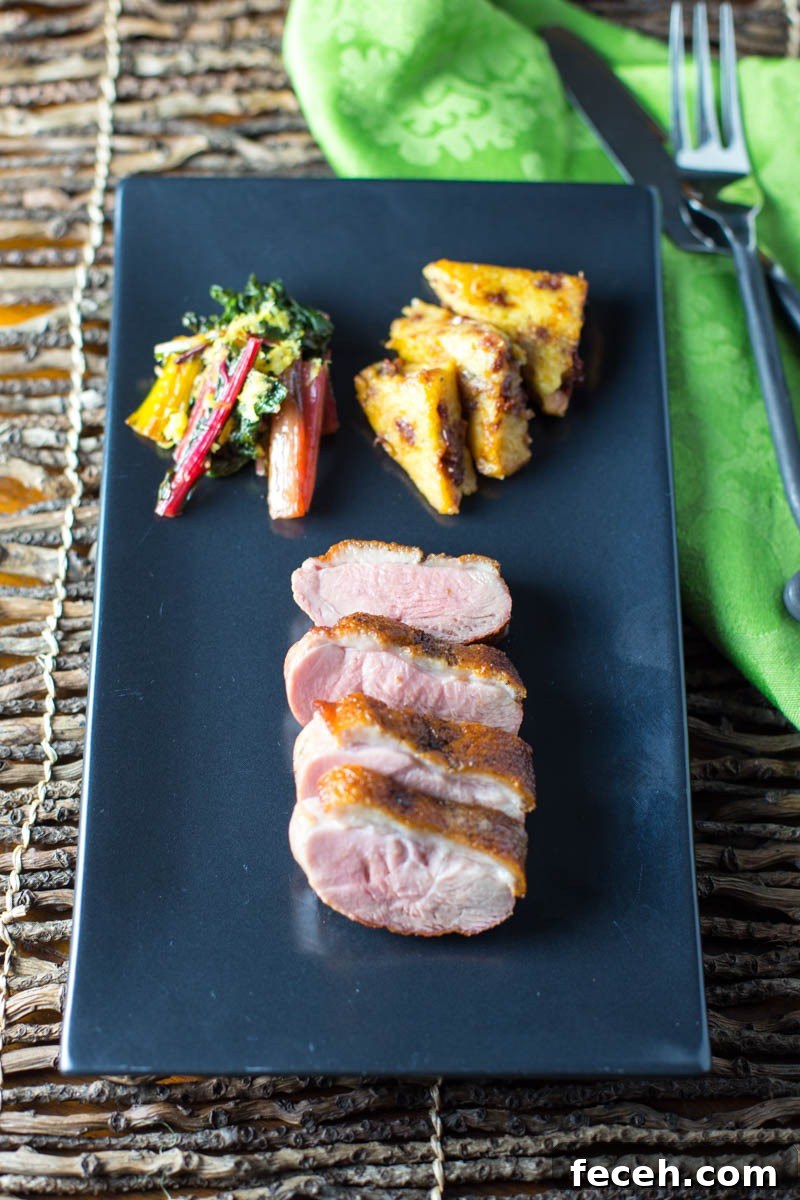
A perfectly seared duck breast presents a contrast between paper-thin, crunchy skin and a tender, ruby-red interior. Slicing should reveal a uniform medium-rare center that showcases the meat’s quality. The rendering method described here produces a professional finish that rivals bistro results.
Choose a wine with enough structure to stand up to the dish—Zinfandel, Merlot, or Pinot Noir all pair well depending on your preference. Whether you’re entertaining or treating yourself, the Big Green Egg and a cast iron skillet make an ideal combination for preparing exceptional duck.
The Final Service
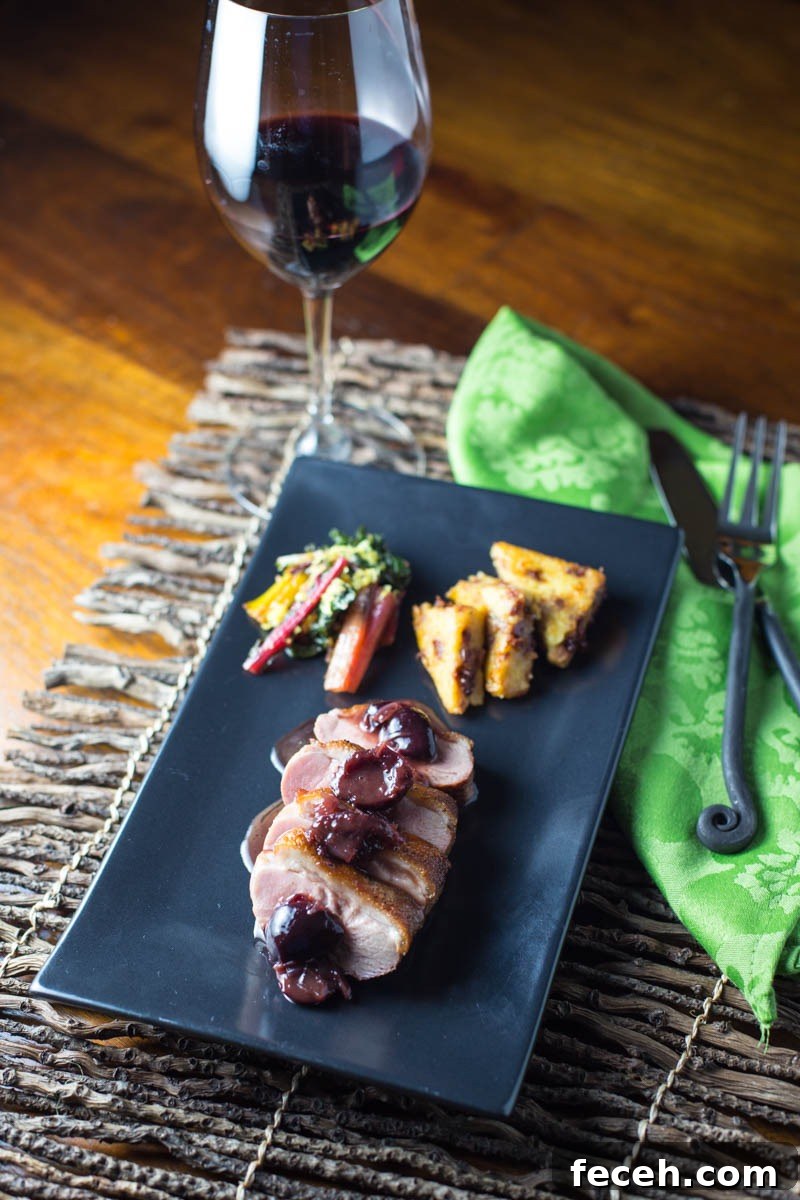
- The Pairing: Serve with a bold Zinfandel or a rich Merlot to complement the wood-fired flavors.
- The Slice: Carve rested duck breasts into 1/2-inch medallions with a very sharp knife.
- The Fan: Arrange slices in a fan on a warm plate to display the interior color.
- The Sauce: Spoon the warm cherry and port reduction over the center of the meat.
People Also Ask
Do you have to score the skin on a duck breast? Yes. Scoring creates channels for the fat to escape; without it the fat stays under the skin and prevents a crispy texture.
What is the best internal temperature for duck breast? Duck breast is best at medium-rare. Remove from heat at about 130°F and allow carryover to bring it to a final 135°F.
Should you cook duck breast in a cold pan? Some pros start with a cooler cast iron to allow fat to render gradually as the pan warms. This controlled approach helps crisp the skin before the meat overcooks.
Big Green Egg Seared Duck Breast with Cherry Port Sauce
Equipment
- 1 Cast Iron Pan
Ingredients
The Duck Ingredients:
- 4 Large duck breasts, approx. 6–8 oz each
- 2 tbsp Kosher salt
- 1 tsp Fresh cracked pepper
- 1 tbsp Butter
The Cherry Port Sauce Ingredients:
- 1 cup Fresh or frozen dark cherries, pitted
- 1/2 cup Tawny Port
- 1/4 cup Chicken stock
- 2 tbsp Shallots, finely minced
- 1 tbsp Honey
Instructions
- Prep: Score a crosshatch pattern into the duck fat without piercing the meat.
- Season: Pat the breasts dry and season with salt and pepper.
- BGE Setup: Stabilize the Big Green Egg at 400°F and preheat a large cast iron skillet.
- The Drop: Melt butter in the hot pan and place the duck breasts skin-side down.
- The Render: Maintain steady heat and keep skin-side down for 10 minutes to render the fat and crisp the skin.
- The Flip: Turn the breasts when skin is mahogany and sear the meat side for about 5 minutes.
- The Pull: Remove the duck at 130°F and rest for 10 minutes.
- The Fond: Pour off all but two tablespoons of fat and sauté shallots until translucent.
- The Deglaze: Add cherries, port, chicken stock, and honey, scraping the pan to lift browned bits.
- The Reduction: Boil then simmer for about 10 minutes until thick and glossy.
- The Service: Slice the duck into medallions, fan on a plate, and drizzle with warm cherry sauce.
Nutrition information is an approximation.
Additional Info