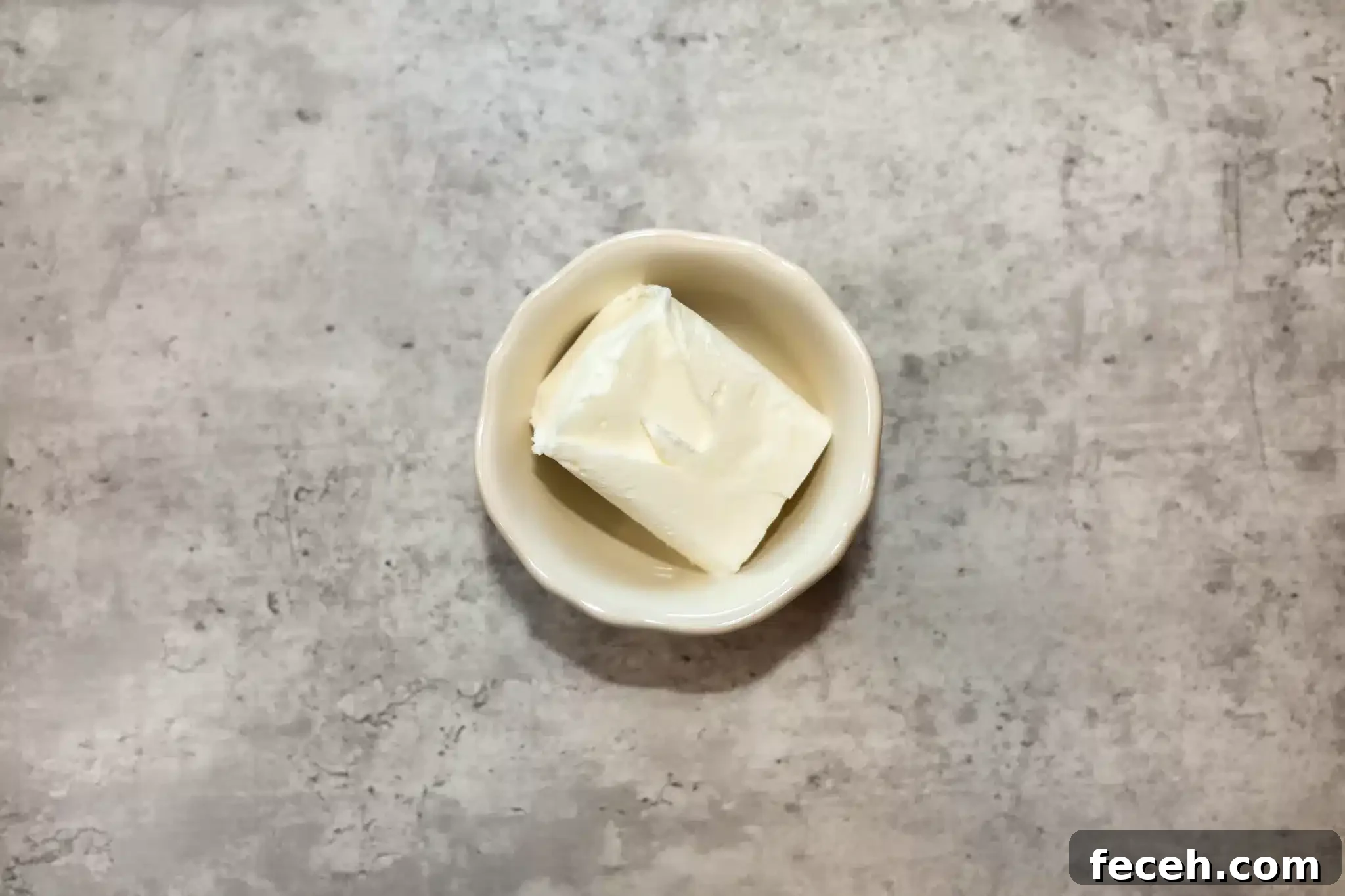
What creates flaky, tender layers in croissants, pastries, and pie crusts? Fat — specifically shortening. Shortening’s job in baking is to create crisp, flaky textures, but it only performs well when it stays fresh and retains its original quality. So how can you tell when shortening has gone bad?
Unopened shortening typically remains good for up to two years, while opened shortening is usually best within about six months. Always follow any expiration or best-by date printed on the package, which takes precedence.
Below we’ll cover proper storage, how to recognize spoiled shortening, and other practical tips to help you get the best results from your tub of shortening.
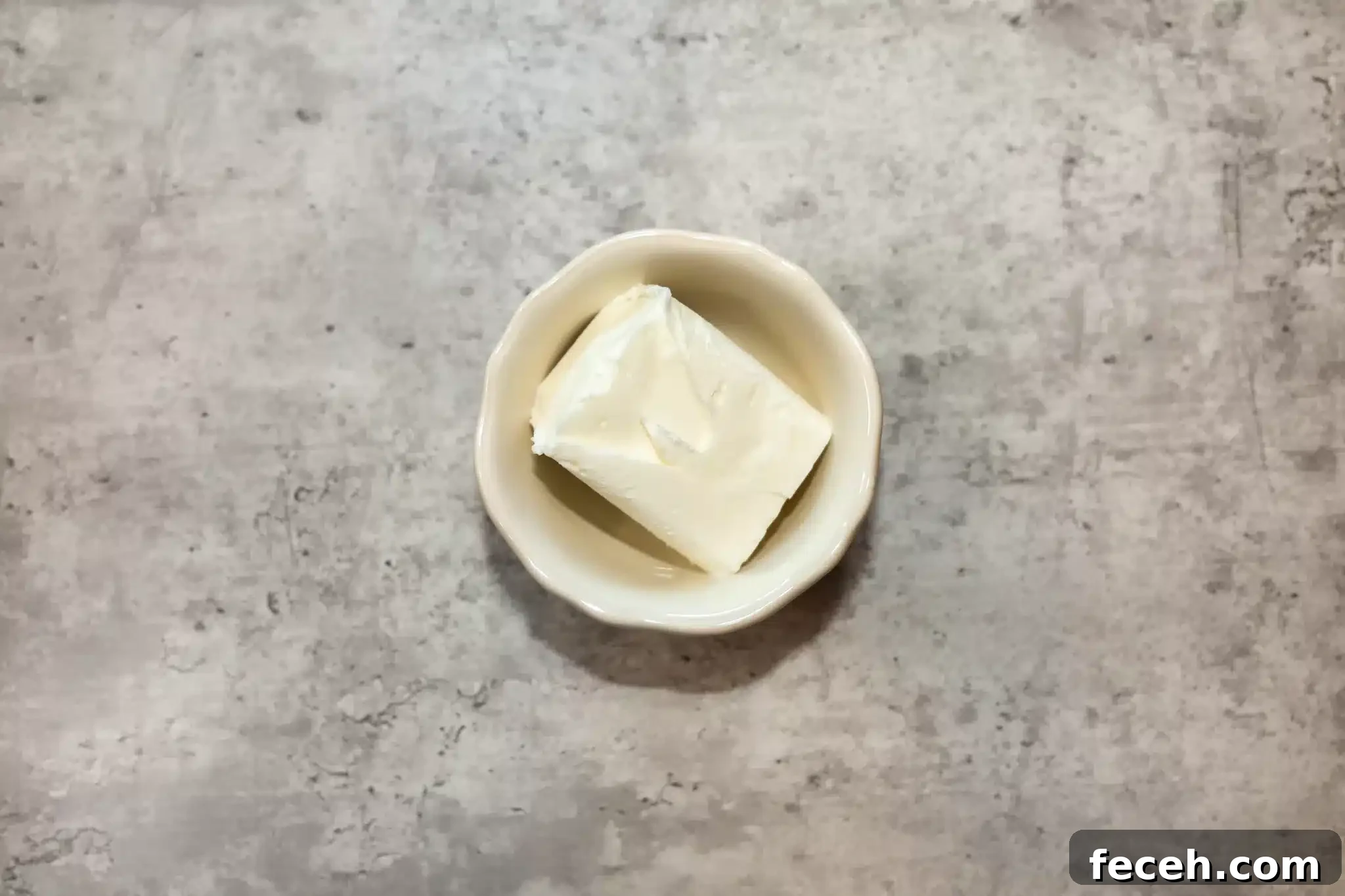
What IS shortening?
Shortening refers to any fat that is solid at room temperature and used in baking to shorten gluten strands and create tender, flaky textures. Common shortenings include butter, margarine, lard, and certain plant-based fats like coconut oil.
When most people say “shortening,” they mean the white, tub-style vegetable shortenings such as Crisco. Those products are vegetable-based and typically contain oils like soybean oil and palm oil, often with stabilizers or preservatives added. In this article, references to shortening relate to that common, tub-style vegetable shortening.
What is the shelf life of shortening?
Shelf life recommendations vary. The USDA suggests about eight months unopened and three months after opening “for best quality,” but many other sources and product labels state that unopened shortening can last up to two years and about six months once opened.
Check your can’s expiration or best-by date first — that date supersedes general guidelines. Because commercial vegetable shortenings often include preservatives such as BHA/BHT or citric acid, it’s reasonable to expect unopened tubs to remain acceptable for up to two years and opened tubs for around six months under proper storage.
Freezing shortening in an airtight wrap can help extend its usable life by protecting it from air and moisture; just be sure to wrap it tightly to prevent freezer burn or ice crystal formation.
How long does shortening last after opening?
After opening, shortening typically maintains good quality for roughly 3–6 months. Refrigeration or freezing isn’t guaranteed to extend a precise length of time, but those methods can add a few months of freshness, especially in warm climates.
Because shortening is meant to be soft and scoopable, if you store it chilled you’ll need to let it sit at room temperature for a few hours before using.
Can you use shortening after its expiration date?
Many nonperishable foods remain safe to consume past their printed dates, but quality and flavor can decline. Shortening may be usable for a short time after the expiration date, but beyond a few weeks to a couple months the fats can oxidize and develop a rancid taste that will affect the flavor and texture of your baked goods. For best results, avoid using shortening that smells off or shows other signs of deterioration.
How to tell if shortening went bad
Shortening contains no dairy, so it can be stored at room temperature, but it can still spoil. It’s usually straightforward to spot when it’s no longer good. Watch for these indicators:
- A color change from off-white to yellowish, with continued darkening.
- An unpleasant, musky, or chemical-like odor instead of a neutral or mild fat scent.
- A change in texture from soft and spreadable to hard or grainy.
What’s the danger in using shortening after it’s gone bad?
Using rancid shortening is unlikely to cause severe illness, but it can produce off flavors that ruin baked goods and may cause stomach upset for some people. Because rancidity is mostly a quality issue, it’s best to discard shortening that smells or looks bad.
Best storage practices for shortening
- Keep opened shortening away from direct heat and sunlight, which accelerate fat oxidation and rancidity.
- Always close the lid tightly to limit exposure to air.
- If you don’t use shortening often or live in a hot climate, store it in the refrigerator or freezer in a tightly sealed container. Allow chilled shortening to return to room temperature before using to restore its soft, workable texture.
| Room temp (pantry) | Fridge/freezer | |
| Opened shortening | ~3–6 months | ~3–6 months; possibly a few months longer |
| Sealed shortening | Likely up to 2 years or until the best-by/expiration date | Likely up to 2 years or until the best-by/expiration date |
FAQs:
Store shortening in the pantry at room temperature in a cool, dark place away from heat sources. Refrigeration is also acceptable if you prefer to extend shelf life, but allow the shortening to come back to room temperature before using so it’s easy to scoop.
Yes—shortening can replace butter at a 1:1 ratio. Cookies made with shortening tend to be softer and more tender, with less chew than those made with butter.