Welcome to The Storied Recipe Podcast, a show about food, culture, and love.
This Kalter Hund recipe comes from podcast guest Selina Goeldi. Play her episode “From France, Where the Air is Full of Lilac Scent” while you prepare her German no‑bake layered chocolate biscuit cake.
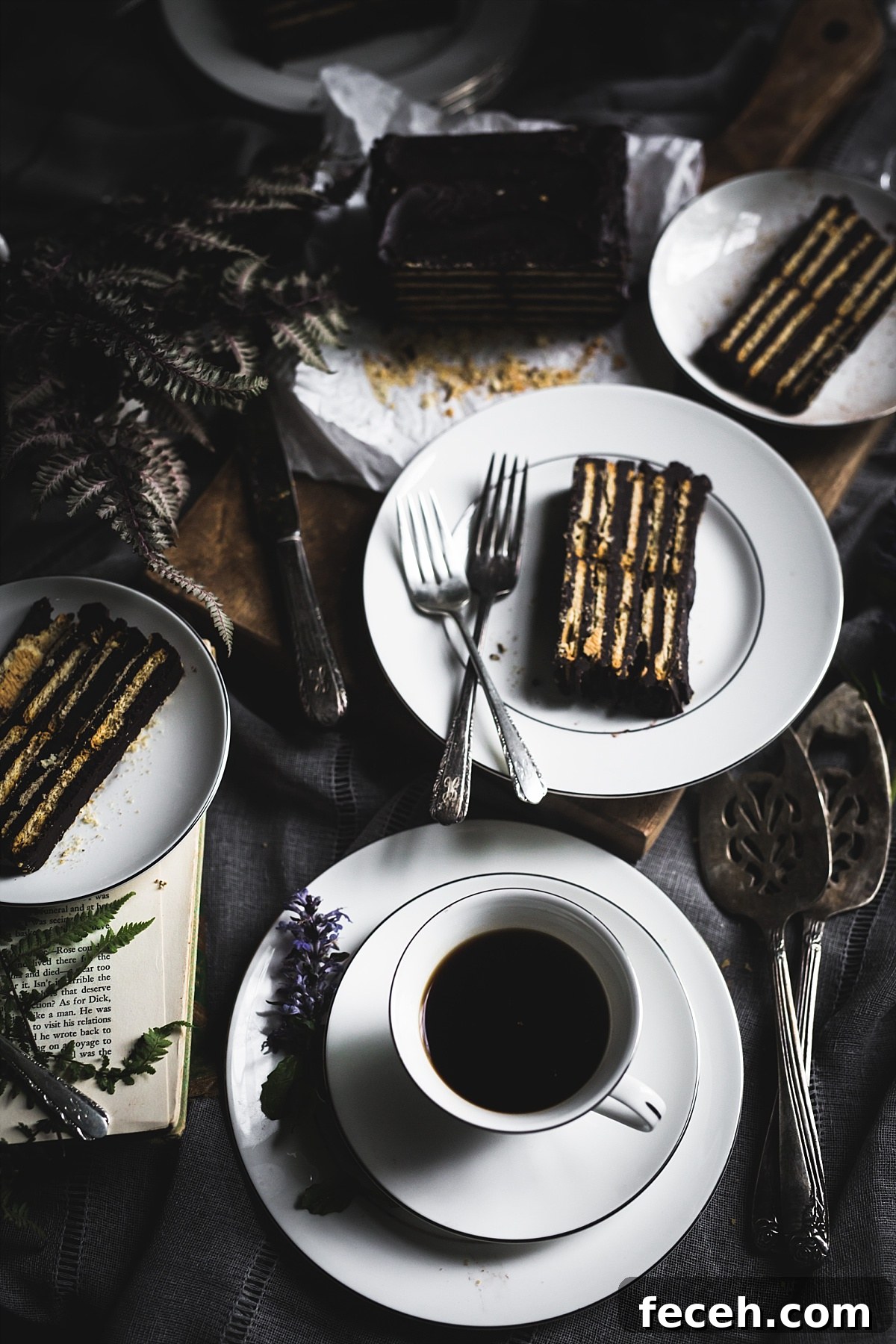
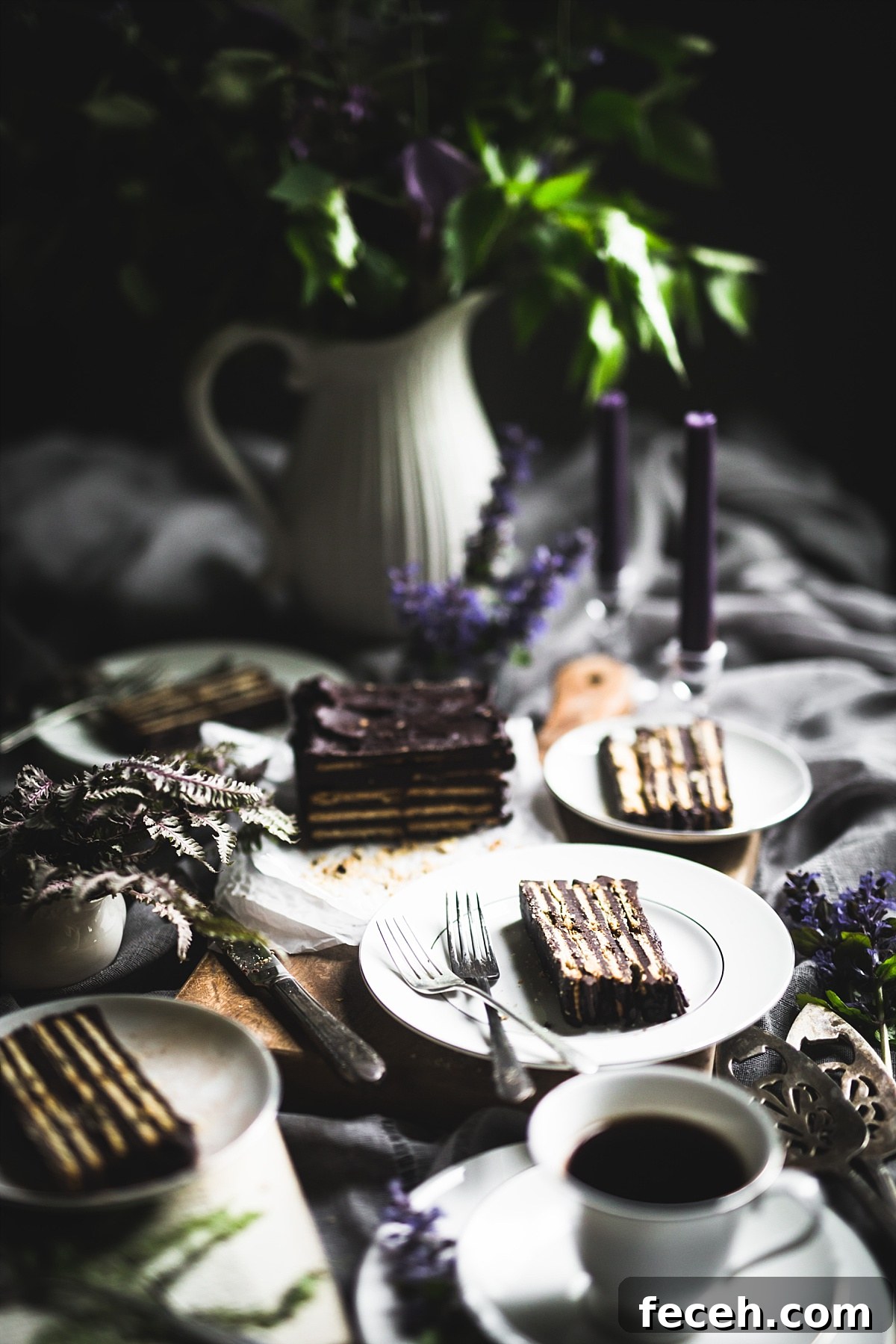
This cake is difficult to describe because its chocolate is unapologetically intense. I usually pass on many chocolate desserts not because I dislike chocolate, but because the chocolate is often muted. Kalter Hund gives you chocolate at full strength: dense, creamy, and indulgent, with just enough biscuit crunch to contrast the silky layers. Selina first described the filling as a ganache, later calling it “chocolate butter” — whichever term you prefer, the texture and flavor are exactly what chocolate should be.
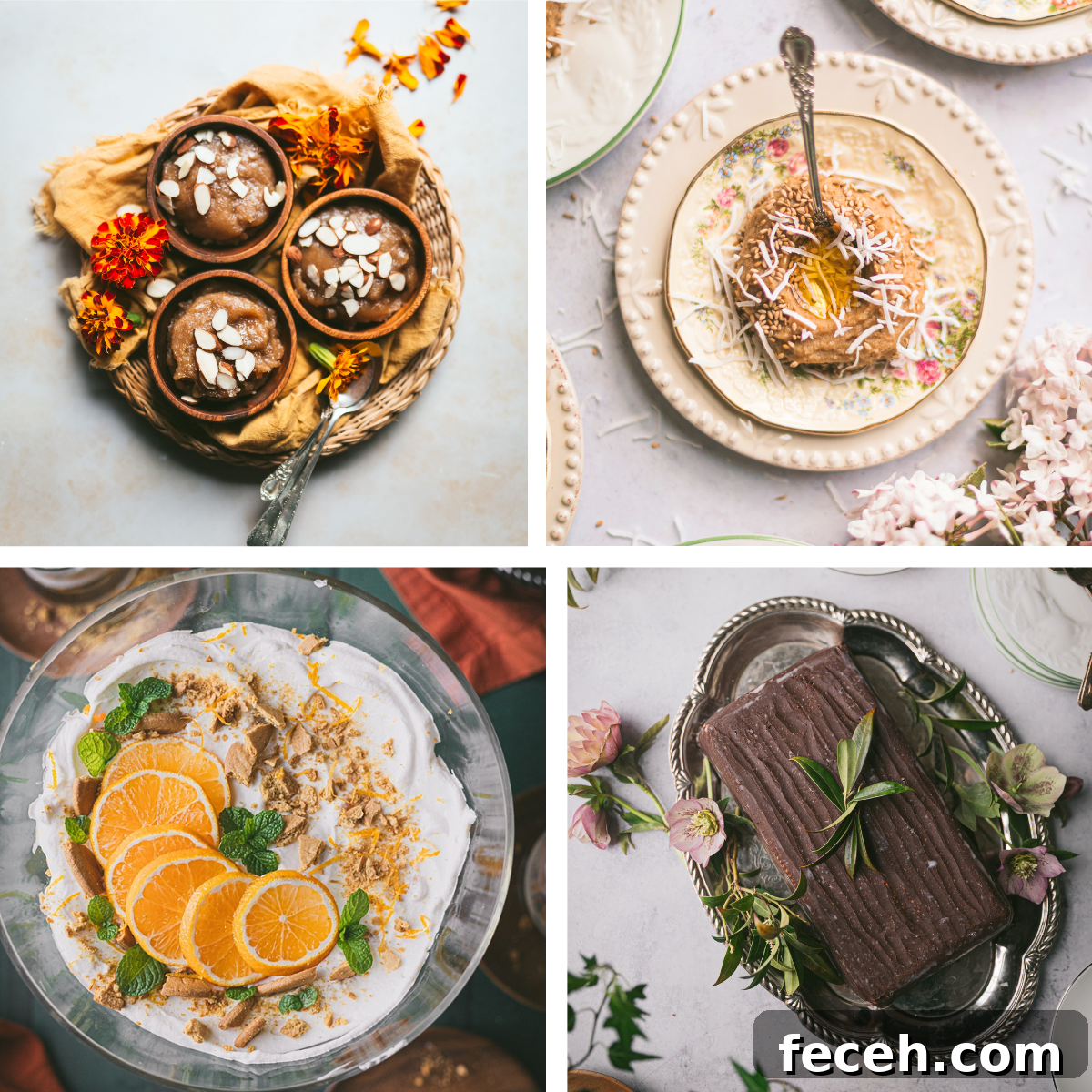
P.S. Want more no‑bake desserts? Try the 3 Ingredient No Bake Mandarin Ginger Pie or Thambuttu, a festive no‑bake banana dessert from Coorg, India.
Selina’s Memories of Making Kalter Hund

Brick, as we call it in our family, is the regular birthday cake. My grandmother used to make it for her children, my mother for me (and for my uncles’ birthdays when my grandmother stepped back). The best part was licking the bowl after she poured the mixture into the mold.
-Selina Goeldi
Top Tip
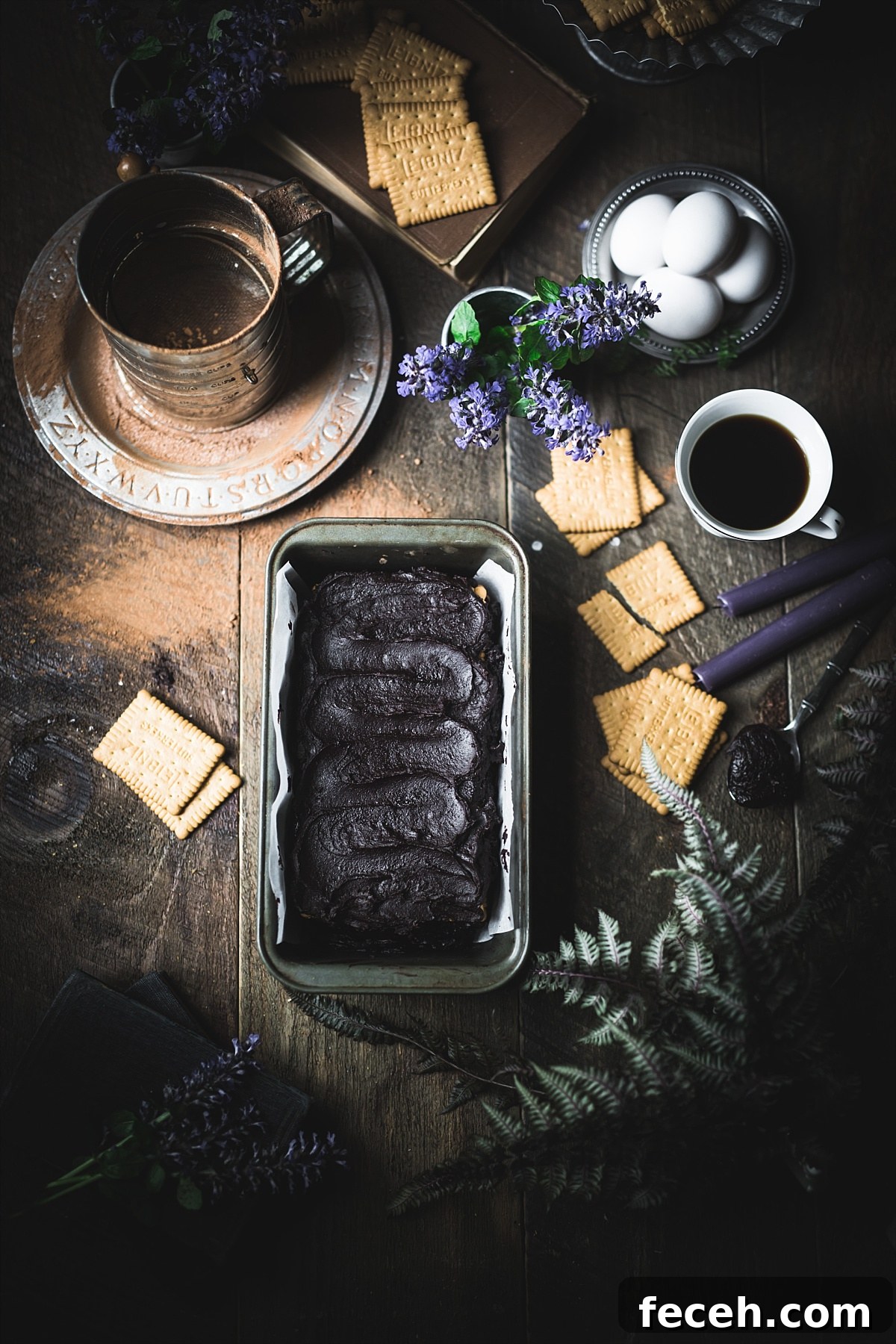
Always line your loaf pan with parchment paper, wax paper, or plastic wrap before adding the chocolate mixture. This ensures the Kalter Hund releases cleanly after chilling.

Ingredients & Substitutions
- Eggs
- Sugar
- Sweetened cocoa powder – Substitution: if using unsweetened cocoa, mix cocoa and sugar at about a 56/44% ratio (for example 140 g cocoa and 110 g sugar).
- Coconut oil
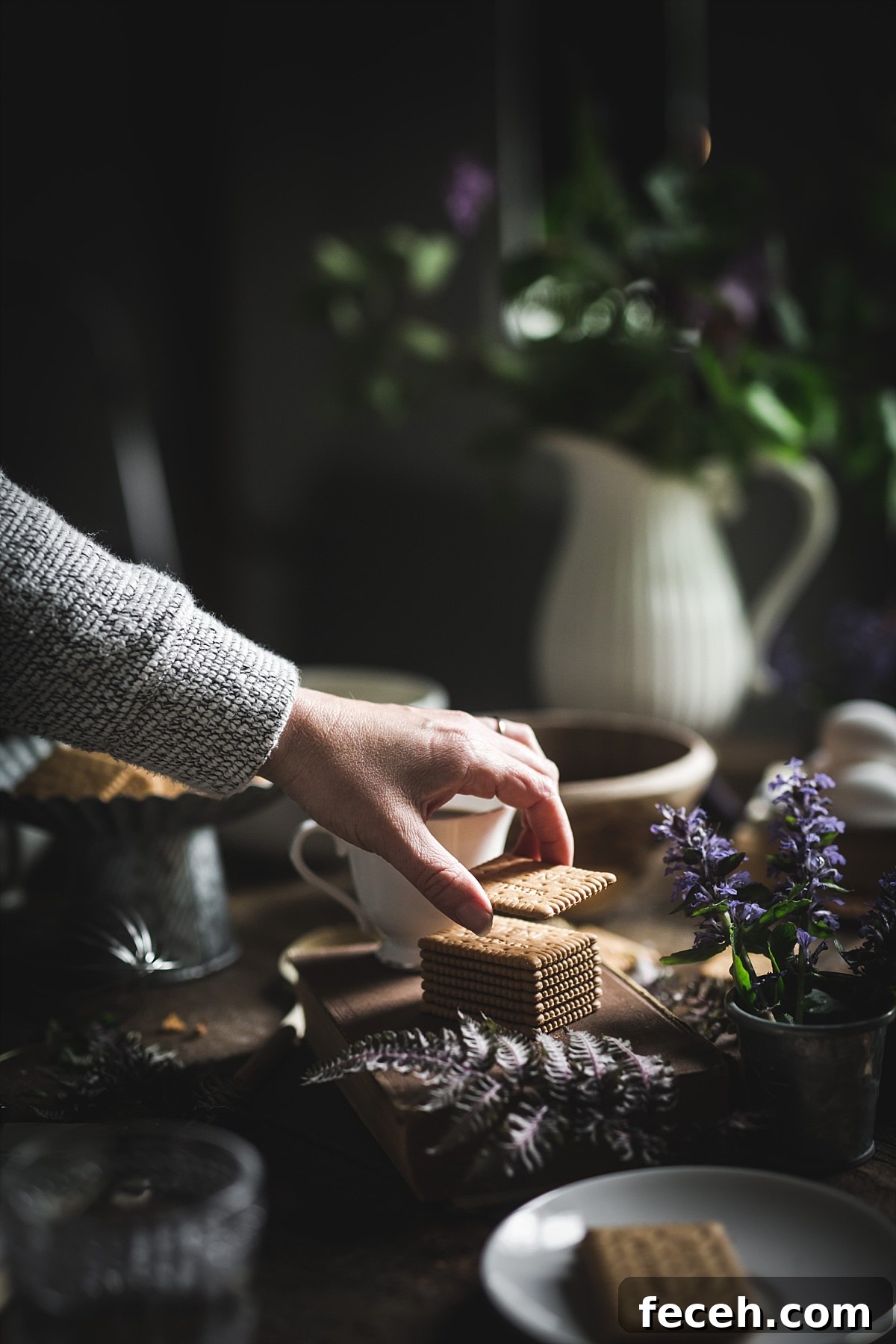
- Leibniz butter biscuits – Substitution: any plain butter cookies or tea biscuits will work.

Variations on the Recipe
If you want more texture or to offset the richness, fold puffed rice, chopped nuts, or small pieces of dried fruit into the chocolate mixture before layering. These add bite and break up the sweetness.
Instructions
- Line a loaf tin with parchment paper so the cake lifts out easily.
- Gently melt the coconut oil using a double boiler or a heat-safe bowl set over a pot of simmering water.
- Whisk the eggs and sugar until pale and foamy, and the sugar has mostly dissolved (about 5–10 minutes).
- Stir the cocoa powder into the egg mixture, then fold in the warm coconut oil until smooth.
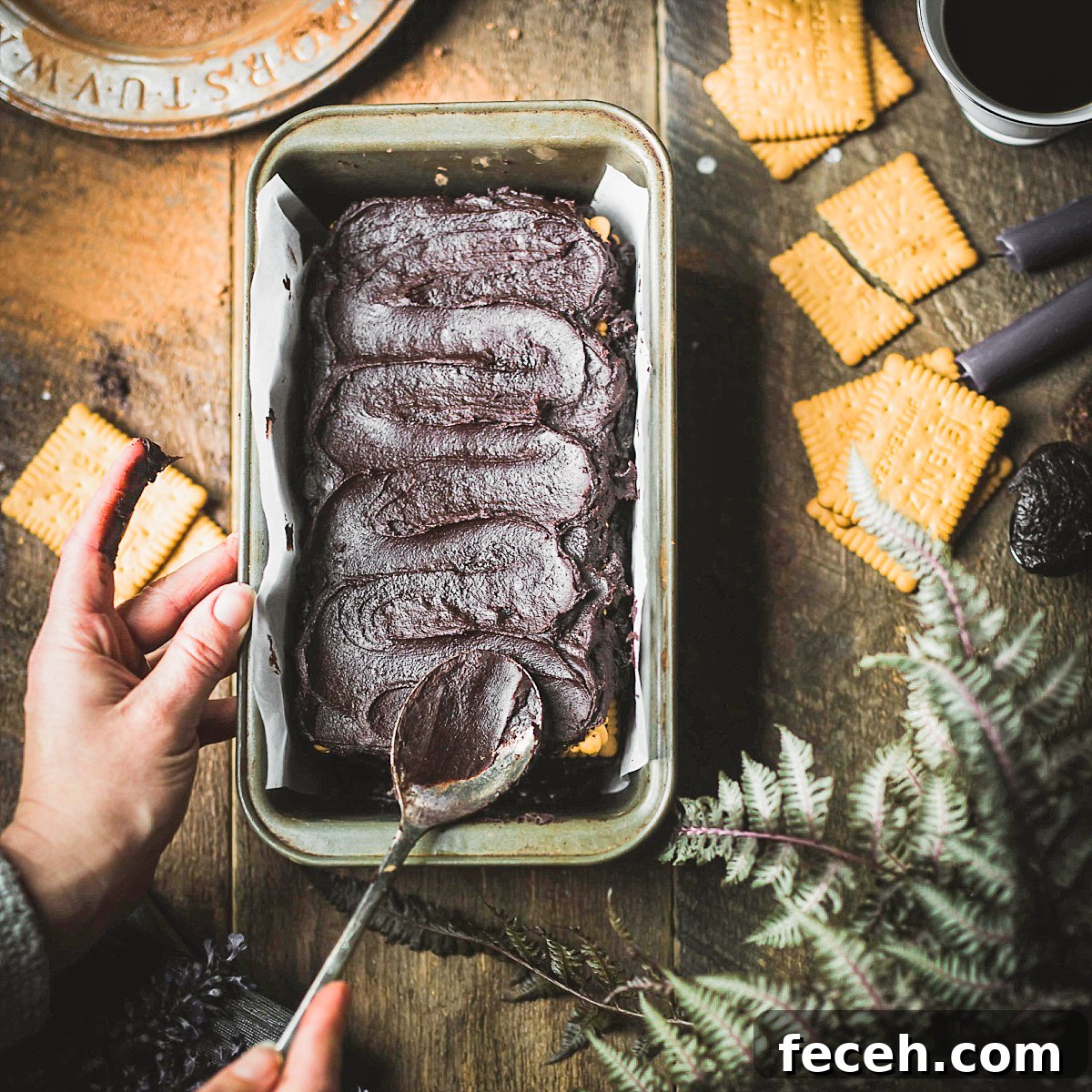
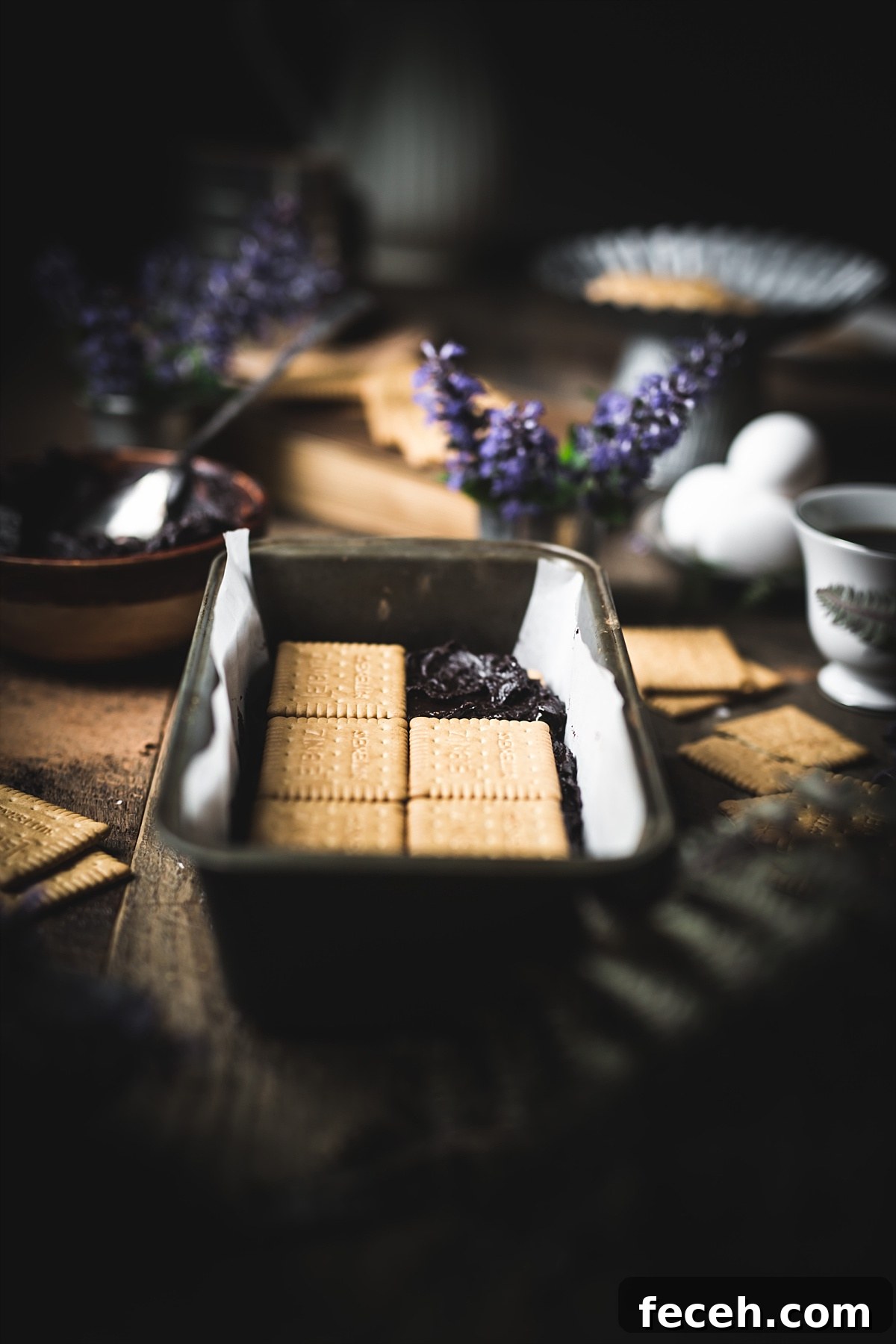
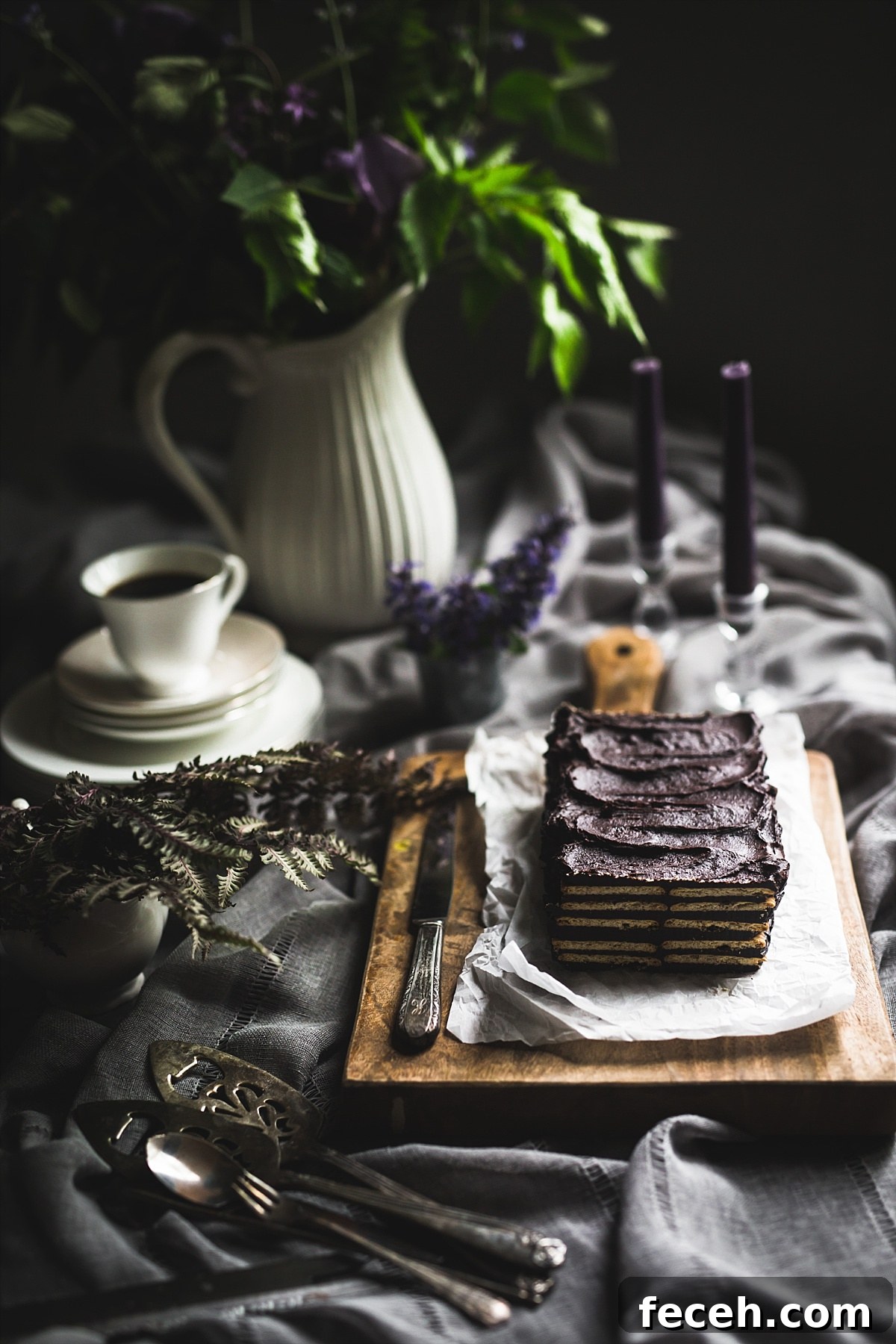
- Pour a thin layer of the chocolate mixture into the lined tin, arrange a single layer of biscuits on top, and repeat until the mixture is used up.
- Chill the cake in the refrigerator overnight so it firms up.
- Lift the cake from the tin using the parchment, invert onto a platter, remove the paper, and slice to serve.
Kalter Hund’s Many Different Names
This German no‑bake dessert is a staple at children’s birthday parties. Its literal translation, “Cold Dog Cake,” sounds odd in English. There are a few stories about the name: one links “Hund” to the long rectangular mine carts called hunds that resemble the loaf pan used to make the cake; another compares it to a chocolate salami when dried fruit is added, as in some Italian versions.
In Germany the story is that the Hund part of the name comes from early 20th century mining, where the long rectangular mine carts are called hunds; they are said to resemble the pan in which you make Kalter Hund. In Italy they add dried fruit and it is called Chocolate Salami.
-Ron S. (commenter)
Other regional names include Kalte Schnauze (cold snout), Kellerkuchen (cellar cake), Kalte Pracht (cold splendor), brick cake (as Selina’s family calls it), and in English sometimes Kalter Igel (cold hedgehog).
Equipment
- Double boiler or a heat-safe bowl and medium saucepan
- Loaf tin (loaf pan), lined
- Serving platter
Storage
- Store leftovers in an airtight container in the refrigerator for up to a week.
- Freeze wrapped portions for up to a month.
More Cake Recipes
-
Summer No Bake Desserts From Around the World
-
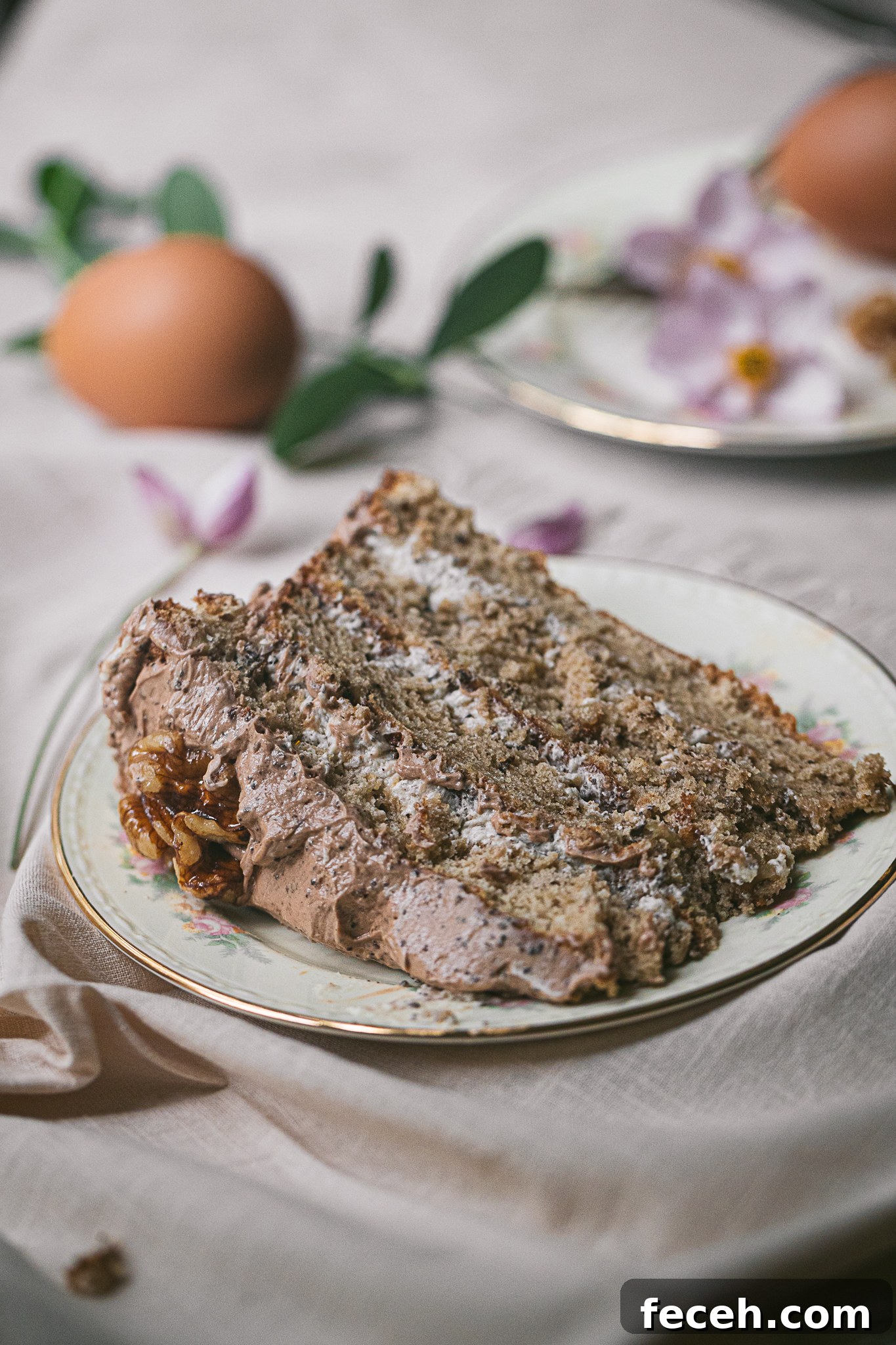
Hungarian Walnut Cake with Mocha and Espresso Icing
-
Hanukkah Desserts: 17 Traditional Treats
-
Simple Pineapple Coconut Cake
Listen to Selina’s Episode Now
Follow The Storied Recipe in Your Favorite Player
Recipe
Kalter Hund: German No-Bake Layered Chocolate Biscuit Cake
4.4 from 5 reviews
Total Time: 4 hours 45 minutes
Yield: 16 servings
Description
This layered, no‑bake cake delivers chocolate in a deep, creamy form: rich, firm yet tender, and utterly satisfying.
Ingredients
- 4 eggs
- 100 g sugar
- 250 g sweetened cocoa powder (see Note 1)
- 450 g coconut oil
- Large packet of Leibniz butter biscuits or similar butter cookies
Instructions
Cue Up The Episode!
- Listen to Selina’s episode “From France, Where the Air is Full of Lilac Scent” while you make the cake.
Prep
- Line the loaf tin with parchment paper so the cake will release easily.
Make the Chocolate Mixture
- Melt the coconut oil in a double boiler or place a heat‑safe bowl over a pot of simmering water and warm the oil until it is liquid.
- Whisk the eggs and sugar together until pale and foamy and the sugar is mostly dissolved (5–10 minutes).
- Stir the cocoa powder into the egg mixture, then fold in the warm coconut oil until fully incorporated.
- Pour a thin layer of the chocolate mixture into the lined tin, arrange a layer of biscuits on top, and repeat layering until the mixture is used up.
- Refrigerate the cake overnight to firm up.
- Remove the cake from the tin using the parchment paper and invert onto a serving platter. Trim away any paper and serve.
How To Eat It
- Slice into 1 cm pieces. Enjoy with strong coffee or a dessert wine. Seconds are perfectly acceptable.
Notes
- Note 1: If you can only find unsweetened cocoa, combine cocoa and sugar at roughly 56/44% (for example, 140 g cocoa and 110 g sugar).
- Note 2: Any plain butter biscuit or tea cookie can substitute for Leibniz biscuits.
- Tip: Play Selina’s episode on The Storied Recipe Podcast while you make the cake for a full sensory experience.
- Prep Time: 45 minutes
- Cook Time: 4 hours
- Category: Baking
- Cuisine: Western European
Nutrition
- Calories: 310
- Sugar: 7 g
- Sodium: 19 mg
- Fat: 31 g
- Saturated Fat: 25 g
- Carbohydrates: 16 g
- Fiber: 6 g
- Protein: 4 g
- Cholesterol: 41 mg