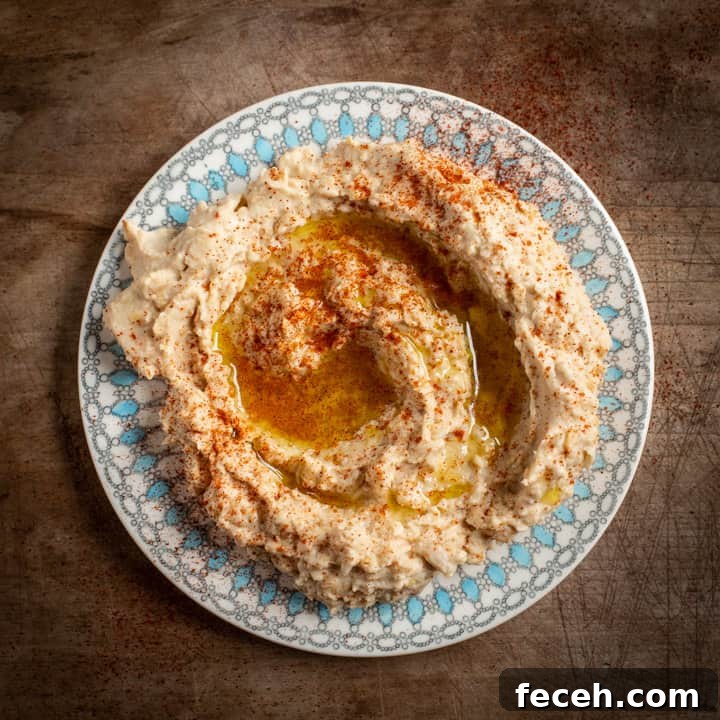
Ever wondered how to make hummus without a blender? You’re in the right place — this guide shows how to prepare creamy, delicious hummus with no blender, food processor or electricity required.
Hummus is an ideal camping or travel food: high in protein, carbohydrates and healthy fats, forgiving about refrigeration, and easy to eat with simple sides like tortillas or sliced vegetables. It also tastes fantastic.
While store-bought tubs of hummus are convenient, making your own lets you control the ingredients and is perfect when you’re off-grid. This straightforward recipe works whether you’re camping, in a campervan, or simply without a blender.
Hummus Ingredients
You only need a few pantry-stable ingredients:
- Can of cooked chickpeas
- Light tahini (sesame seed paste — light is milder but dark tahini works too)
- Garlic (fresh clove or garlic powder)
- Olive oil
- Lemon juice (fresh or bottled)
- Smoked paprika (optional, for serving)
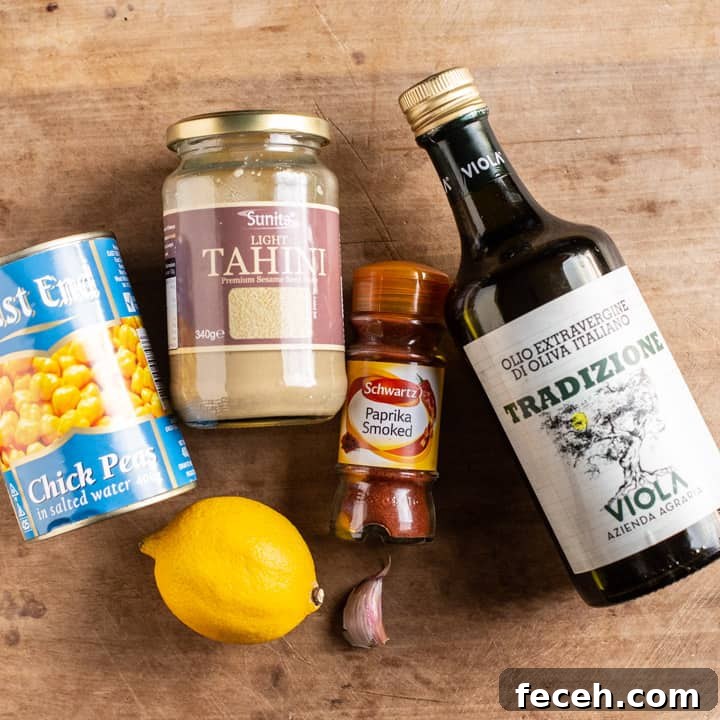
These ingredients are compact, shelf-stable and easy to pack in a camp kitchen — perfect when fresh supplies are running low.
How to Make Hummus without a Blender
If you don’t have electrical appliances, the best tool for the job is a simple potato masher.
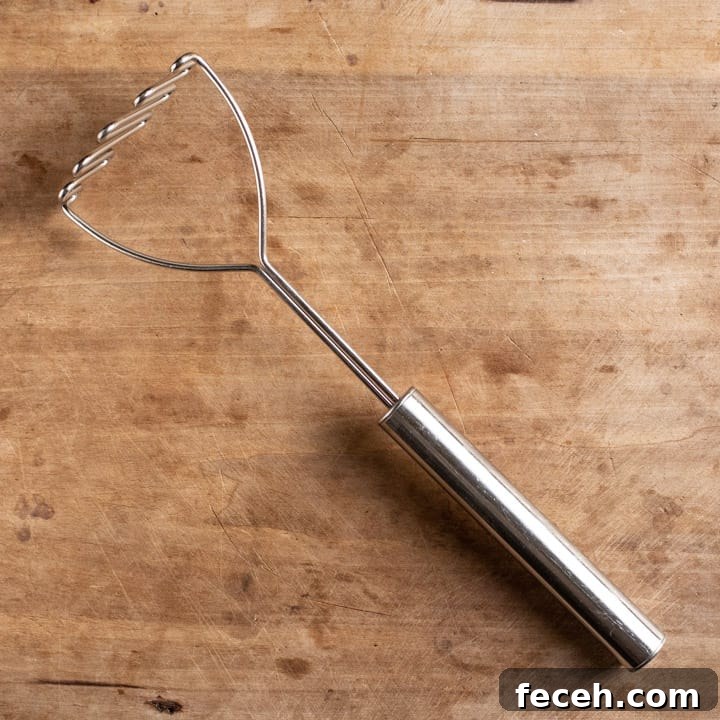
A potato masher lets you work the chickpeas down to a smooth consistency with a bit of elbow grease. I prefer to mash in a straight-sided saucepan so you can reach the corners easily. Avoid non-stick cookware for this method to prevent damage to the coating.
Not tasty.
Can you Mash Chickpeas with a Fork?
Yes. A fork will work if you don’t have a masher, though it takes more effort to get a smooth texture when mashing a whole can of chickpeas.
Can you Make Hummus with a Hand Blender?
Yes — a stick blender is effective. Add liquid first to wet the bottom of the bowl so the blades can process the chickpeas without clogging, and stop occasionally to scrape down the sides for an even finish.
What is Tahini?
Tahini is a sesame-seed paste with an oily, smooth texture similar to runny peanut butter. It originates from the Middle East and is prized for its rich, nutty flavor. Tahini is versatile and nutritious, commonly used in dips, dressings and plant-based desserts.
Where to Find Tahini
In many grocery stores it’s located in the international or ethnic foods aisle. Major supermarkets typically carry tahini in jars.
Other Uses for Tahini
Tahini is delicious on its own or used to make creamy dressings and dips like tahini sauce and baba ganoush. It also appears in vegan desserts and can be spread on toast with jam for a quick treat.
Love Healthy Camping Food?
If you enjoy simple, one-pot camping recipes, try this no-blender hummus method next time you’re traveling or camping. It’s quick, portable and satisfying.
Lunch
Middle Eastern
houmous, hummus
-
400
g
chickpeas cooked
can drained and rinsed -
1
tbsp
light tahini -
1
garlic clove
minced -
1
tbsp
olive oil -
1
tbsp
lemon juice -
1/2
tsp
salt -
1
tsp
smoked paprika
to serve
-
Tip the drained chickpeas into a straight-sided pan and mash thoroughly with a potato masher until mostly smooth.
-
Stir in the tahini, minced garlic, olive oil, lemon juice and salt until well combined.
-
Taste and adjust seasonings — more lemon, salt, garlic or tahini as you prefer — and taste again.
-
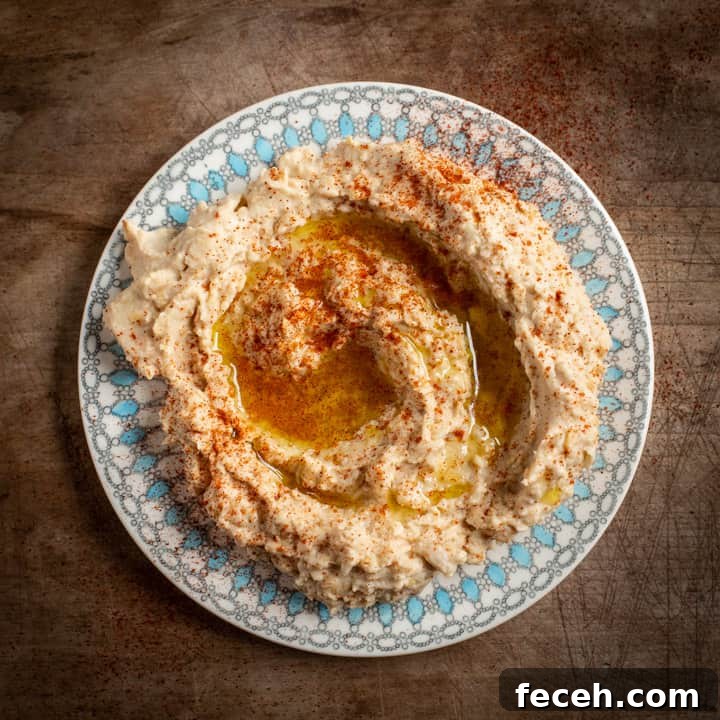
Spoon the hummus onto a plate, smooth the surface, then drizzle extra olive oil, add a squeeze of lemon and sprinkle smoked paprika.
-
Serve with crudités, toast, crackers, baguette or your favorite dippers.
Calories from Fat 63