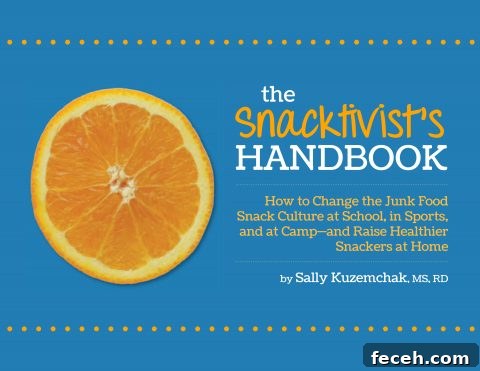
In this post, Sally Kuzemchak, MS, RD of Real Mom Nutrition shares practical tips for healthier snacking for kids and highlights her new e-book, The Snacktivist’s Handbook. Read Sally’s guest post below.
I have nothing against snacks—kids love them, my kids love them, and honestly I rely on a snack or two during the day. Snacks are a great opportunity to provide additional nutrition between meals. The problem is that children today are snacking more often and too many of those snacks are highly processed: chips, cookies, sugary drinks and packaged treats are all too common. These foods show up everywhere kids gather—sports, school, camp, church—making it easy for less nutritious options to become the default.
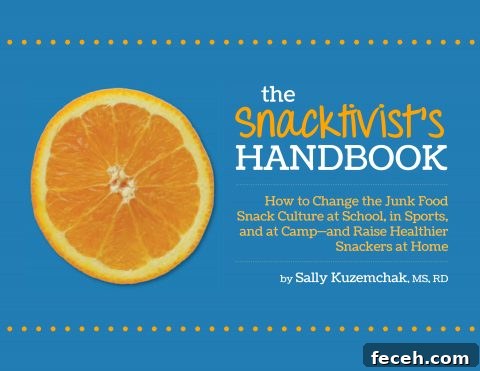
A few years ago I launched a campaign on my blog called Snacktivism, a grassroots effort to improve the culture of snacking for children. Snacktivism is about rethinking snacks so that healthier choices become the norm while still reserving cupcakes and cookies for special occasions. I developed tools for parents to start conversations with teachers, coaches, and program directors to create local solutions. I gathered those resources, plus many more practical ideas, into my new e-book, The Snacktivist’s Handbook.
Here are concrete, actionable tips from the e-book so you can be a Snacktivist too:
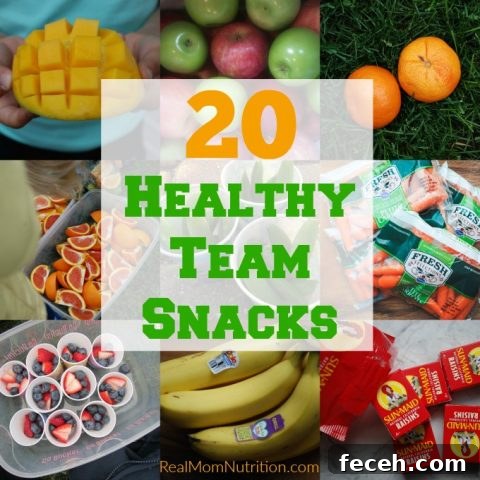
In Team Sports: If sidelines are full of sugary drinks, cookies, and chips, talk with the coach before the season starts. Explain your concerns respectfully and ask whether the team can switch to whole fruit or eliminate team snacks. Coach support makes it easier for other parents to adopt the change. The e-book includes an editable email template you can customize and send to coaches and families. For quick ideas, you can download a printable list of fruit and vegetable team snacks on my blog.
At School: Birthday treats are a thoughtful gesture but can quickly mean excess sugar. If your child’s classroom has become cupcake-heavy, offer alternatives to the teacher such as a non-food activity (a craft or a book reading) or volunteering to maintain a “birthday prize box” with small toys or activities. The e-book provides printable lists of food-free celebration ideas, non-food classroom rewards, and healthier fundraiser suggestions.
At Camp: Many parents share concerns about junk food at camp but few speak up. When evaluating camps, ask about their food policies: are snacks provided, and are foods used as rewards? Tell directors that healthier snack options matter to your family. Camps want to meet parent expectations and often respond when several families ask for change. I share my own experience working with a local camp as an example of how simple conversations can spark improvements.
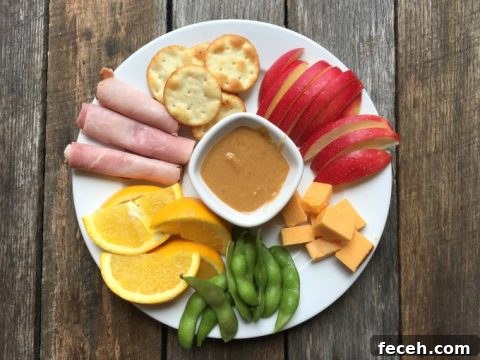
At Home: The word “snack” has become synonymous with “treat” for many families. My best tip is to make most snacks resemble mini-meals—foods you’d serve at mealtime. Favor whole or minimally processed items over packaged foods high in sugar, additives, and sodium. Some of my go-to options are smoothies made with milk and frozen fruit, cheese with whole grain crackers, and curated snack platters that combine produce, protein, and whole grains. These choices are more filling and provide better nutrition between meals.
Small changes add up. One parent can influence a team, classroom, or camp—and I’m here to help you get started.
**********
Sally Kuzemchak, MS, RD, is a registered dietitian, educator, and mother of two who blogs at Real Mom Nutrition. She is the author of The Snacktivist’s Handbook: How to Change the Junk Food Snack Culture at School, in Sports, and at Camp—and Raise Healthier Snackers at Home. Sally has collaborated with Cooking Light on Dinnertime Survival Guide. When she’s not writing or helping families, she’s often found loading and unloading the dishwasher—then loading it again.