Are you ignoring or neglecting your sourdough starter? Beware! This is what happened to me.
© Viktoriia Kurchavova | Dreamstime.com
Story of a Rogue Starter
(Originally published on my old blog. I learned this lesson quickly, it hasn’t been repeated!)
I’ll admit I got a bit lax with my sourdough starter this winter. My kitchen stays fairly cool—rarely above 65°F during the day and cooler at night—so I left the starter on the counter and fed it only once or twice a week. I still baked a loaf or two most weeks, but mostly I ignored it. For those who worry about strict feeding schedules, the good news is that an established starter can tolerate a surprising amount of neglect. The bad news is that neglect eventually catches up with you.
Springtime and Sourdough
Last week brought a run of warmer spring days. It wasn’t hot by any stretch, but it was warm enough to coax the crocus into bloom and to get kids outside with baseball gloves. It was also warm enough to affect my starter noticeably.
What Is That Smell?
One afternoon I came downstairs from my office and was hit by a pungent odor—not the pleasant scent of baking, but a sharp, unpleasant stink. I emptied the garbage, rinsed the breakfast dishes, scrubbed the sink—nothing helped. The smell persisted until I noticed the container of sourdough starter.
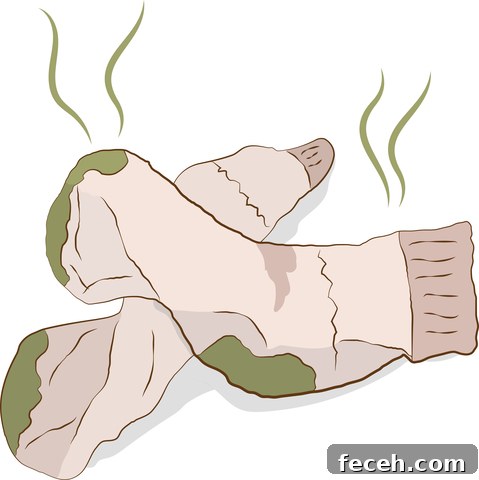
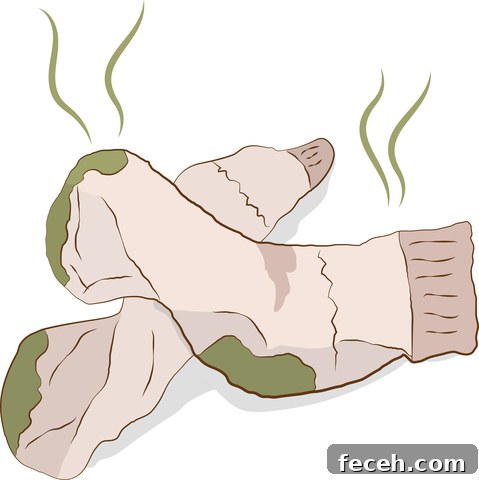
I’d missed a feeding earlier in the week after being sick, so the starter had been left unattended. When I removed the cover, the source of the smell became obvious. Imagine opening a forgotten gym bag and being knocked back by a wave of stench—that’s the closest comparison.
Is Something Dead?
The starter itself looked ripe but not very active. Worse, the sides of the container were coated with a thick, discolored layer of dried starter and mold. When I pour starter from its container some residue usually clings to the sides; this time that residue had gone bad. I briefly considered discarding the whole culture.
I didn’t want to start over. This starter had developed the exact level of tang I enjoy in my bread. Still, I didn’t want to bake with anything that looked moldy or questionable.
Time for a Revival
Carefully avoiding the moldy parts, I scooped the viable starter into a clean container and fed it. The old jar required a long soak and a thorough scrub; the hardened residue resisted a knife and wouldn’t wash away easily. After a good soak and run through the dishwasher the jar was usable again, and I opened windows to air the kitchen.
After that experience the starter spent most of its time in the refrigerator. Cooler storage slows activity and reduces the risk of unexpected overgrowth on warmer days. If you do find your starter has been neglected into a sorry state, it’s often possible to revive it rather than starting completely from scratch—later I’ll outline steps to bring a seemingly dead starter back to life. For now, I’m off to bake a loaf. What are you making this week?
More About Sourdough
Make Your Own Sourdough Starter
How to Keep a Sourdough Starter Alive
How to Make Rye and Other Specialty Sourdough Starters