Why has quinoa become so popular?
- Although quinoa is often used like a grain, it is actually a seed related to spinach, Swiss chard, and beets. Nutritionally, this distinction matters: quinoa is lower in carbohydrates and higher in protein than many whole grains. While some comparisons note that quinoa can be higher in fat and calories than certain grains, consider both quality and portion size. One cup of cooked quinoa contains about 223 calories, compared with 176 calories for a cup of couscous, but quinoa also provides more fiber (around 4 grams versus 2.2 grams for couscous), which helps you feel fuller for longer.
- Quinoa’s protein quality is exceptional among plant foods because it contains all nine essential amino acids, making it a complete protein. Protein supports many vital functions, including muscle repair and growth, immune defenses, and nutrient transport throughout the body.
- Quinoa is a good source of iron. One cup of cooked quinoa supplies approximately 2.76 mg of iron, roughly 20% of the daily requirement for many people. Iron is crucial for preventing anemia because it plays a central role in forming red blood cells.
- Quinoa also delivers a healthy dose of magnesium—about 118 mg per cooked cup. Magnesium supports bone health and may help reduce the risk of osteoporosis. Research also suggests magnesium can contribute to lowering blood pressure and may improve oxygen delivery to cells, which could help reduce migraine frequency for some people.
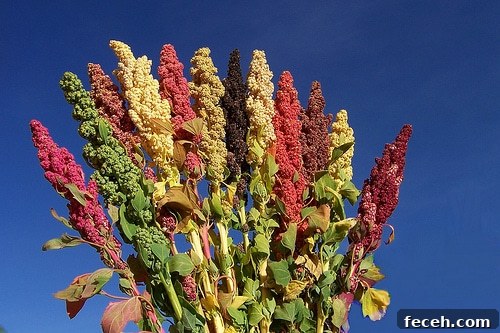
- Quinoa comes in several colors—white, red, and black. The red and black varieties tend to have a nuttier flavor and firmer, slightly crunchier texture, and they often contain a bit more fiber. Mixing different varieties makes a dish visually appealing and adds textural contrast.
How to Store
Dry quinoa: store in a well-sealed container for up to 2 years.
Cooked quinoa:
- In the refrigerator: up to 4 days
- In the freezer: up to 2 months
How to Prepare
Quinoa naturally carries saponins—bitter-tasting plant compounds that protect it from birds and pests. Rinsing the seeds before cooking removes most of these compounds. Place quinoa in a fine-mesh strainer and rinse under running water, rubbing the seeds gently until the water runs clear.
For more flavor, toast rinsed quinoa in a dry saucepan over low heat for a few minutes until fragrant, then add your cooking liquid. Use a 2:1 ratio of liquid to quinoa (for example, 2 cups of water or broth for 1 cup of quinoa). Cover and simmer for 15–20 minutes, or until the liquid is absorbed. Fluff with a fork before serving.
How to Enjoy
Photo credit – Sakurako Kitsa via Flickr
I often cook extra quinoa to use throughout the week for quick lunches, as a side for fish and salads, or as a base for a main dish. Toss cooled quinoa with cucumbers, tomatoes, feta, red onion, and fresh herbs for a simple Mediterranean-style salad. Cooked quinoa also works as a gluten-free coating for chicken, fish, or tofu when lightly toasted for crunch.
Here’s a favorite vegetable-packed option that’s full of flavor: Warm Mediterranean Quinoa Salad – Fully Loaded!
- The social and economic side of quinoa: Quinoa has been a staple in parts of South America for thousands of years and provided affordable nutrition for local communities. As global demand has risen, prices have increased significantly, making it harder for some local consumers to afford. These changes have sparked discussion about food economics and the broader impacts of global demand on traditional food systems.