If you were shy as a child, you may worry about how your own child will do when starting preschool or meeting new kids. As a shy mom, it’s natural to feel uncertain about how to encourage your child’s social growth. The good news is there are practical, gentle steps you can take to help your child build social confidence and form friendships. It can feel uncomfortable at times—especially if you naturally avoid social situations—but watching your child connect with others is a deeply rewarding experience.
If you’re a shy mom, you may like this post:
- How to Make Mom Friends: Tips From an Introverted Mom
Don’t project your experiences onto your child.
One of the most important things to remember is that your child’s social journey will be different from yours. It’s easy to assume your child will react the same way you did, but doing so can limit their opportunities. If you were very shy, you might instinctively protect your child from potential discomfort—but overprotecting can stop them from learning to navigate social situations. Try to observe your child’s behavior from their perspective. Allow them to explore interactions while staying nearby for support, rather than preventing every risk of awkwardness.
Teach your child to listen to others.
You can teach practical social skills that make playdates and classroom interactions smoother. One foundational skill is listening. Young children are often used to being the center of attention, which can lead to conflicts when multiple kids are together. Help your child learn the rhythm of conversation: there are times to listen and times to speak. Practice short exercises at home—like taking turns talking about a favorite toy or describing a picture—to reinforce that conversation is a two-way exchange.
Explain that other children may behave differently.
Another useful lesson is understanding that not every child will act the way your child does. Sharing, taking turns, or calm reactions are skills some kids have, and others are still learning. Teach your child that they can’t control how others behave, only how they respond. Role-play simple scenarios—what to do if someone grabs a toy, or if someone says something unkind—so your child can practice staying calm and using words to solve problems. This prepares them to handle conflicts without becoming overwhelmed.
Learning to interact with different personalities takes time. Modeling patience, demonstrating polite responses, and praising your child when they handle a situation well will build their confidence. Over time, these small lessons help your child become more comfortable in group settings and better able to form friendships.
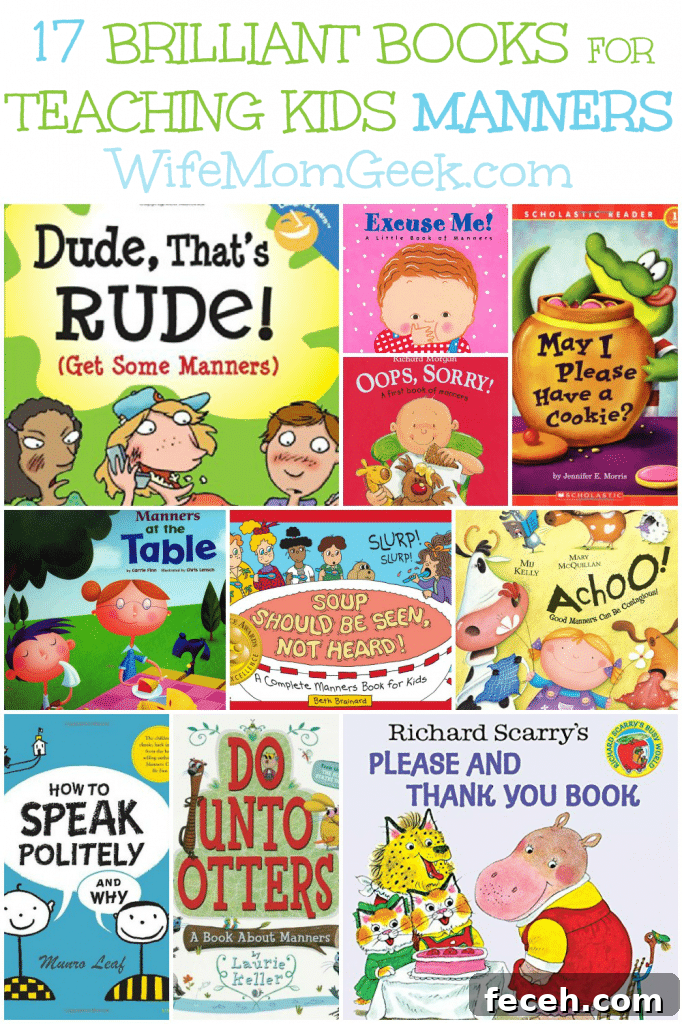
For more ideas on manners and social skills, consider exploring books and resources designed to teach children polite behavior and empathy. Visual stories and simple step-by-step guides can make abstract social rules concrete and easier for young children to adopt.