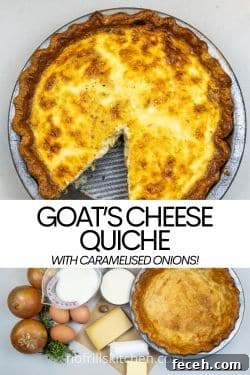
Every time I create or test a new recipe I’m reminded how much I love quiche. It’s comforting, crowd-pleasing and surprisingly easy to make. When you take the extra step to prepare a homemade pie crust, the result feels a little bit special.
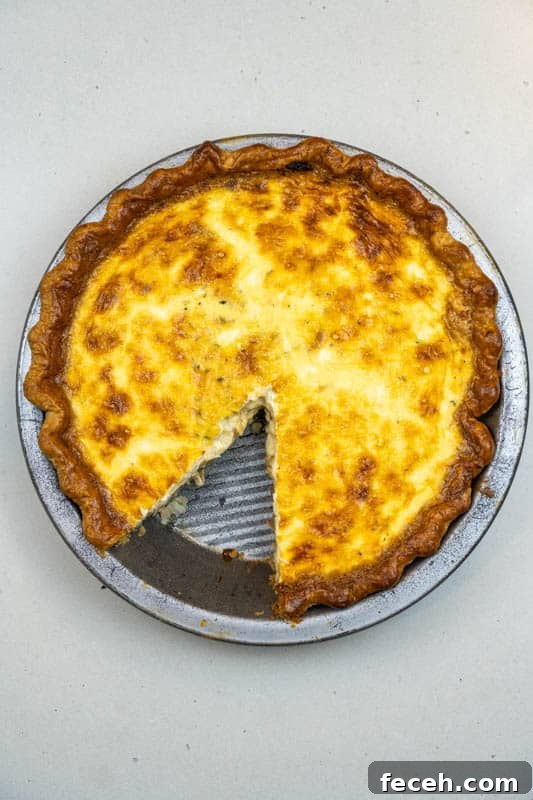
This version is particularly indulgent. Sweet, deeply caramelised onions are folded into a rich custard made with eggs, whole milk and crème fraîche, then finished with crumbled goat’s cheese and grated Gruyère. The filling is creamy and packed with flavour—ideal for brunch or a simple, elegant lunch.
How to Make Caramelised Onion & Goat Cheese Quiche
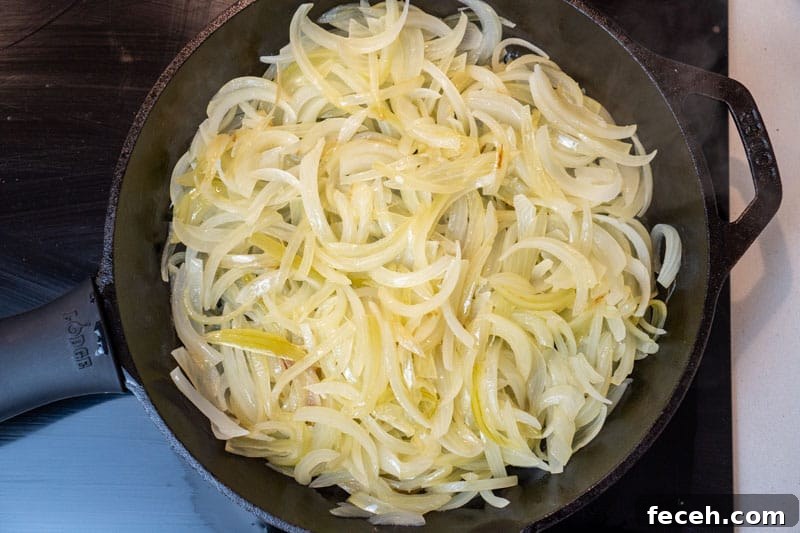
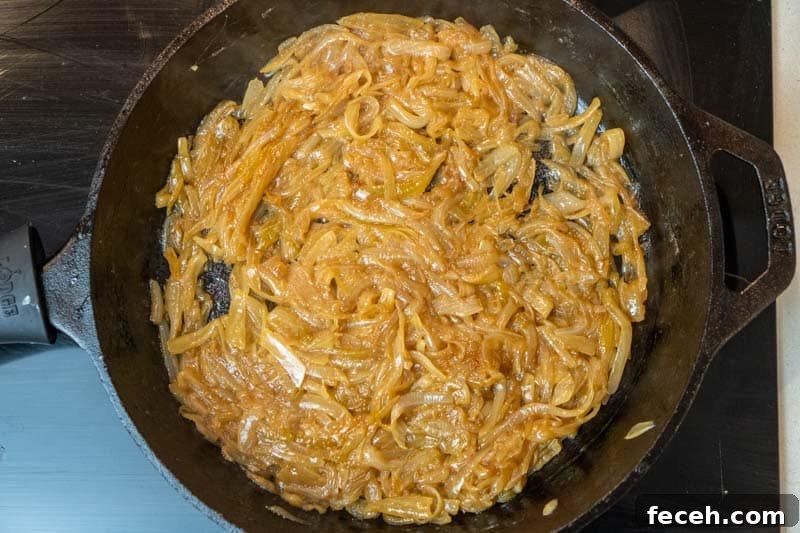
Caramelising onions takes a little time, but the method is straightforward. Start by warming butter and olive oil in a large skillet over medium heat—cast iron works well because it holds heat evenly. When the butter foams, add thinly sliced yellow onions and a generous pinch of salt, stir, then cover the pan.
Cook the onions covered for about 20 minutes, allowing them to release moisture and shrink. Remove the lid, stir, and continue to cook, stirring occasionally, until the onions turn a deep golden brown and become jammy. That second stage typically takes another 20–30 minutes. If the pan starts to stick, deglaze occasionally with a splash of water.
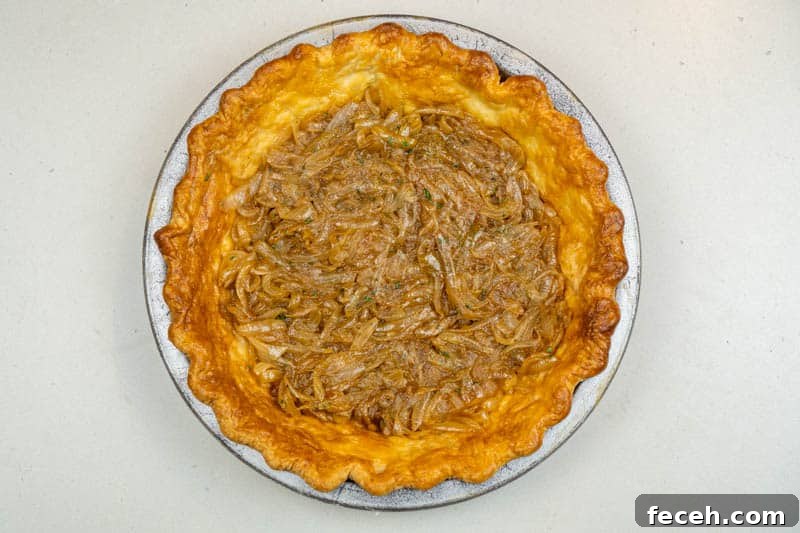
Once the onions are deeply caramelised, stir in fresh thyme and a pinch of freshly grated nutmeg, cook for a minute until fragrant, then remove from the heat. Spread the onions evenly across the base of a blind-baked pie crust.
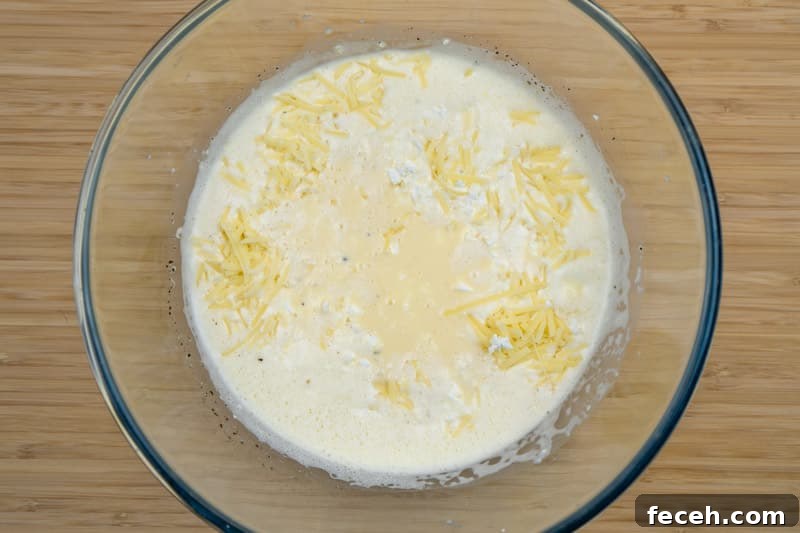
The custard comes together in minutes. In a large bowl whisk together eggs, whole milk and crème fraîche until smooth and emulsified—you can also use a hand blender for an extra-silky texture. Season with salt and a generous grind of black pepper. Fold in grated Gruyère and crumbled goat’s cheese.
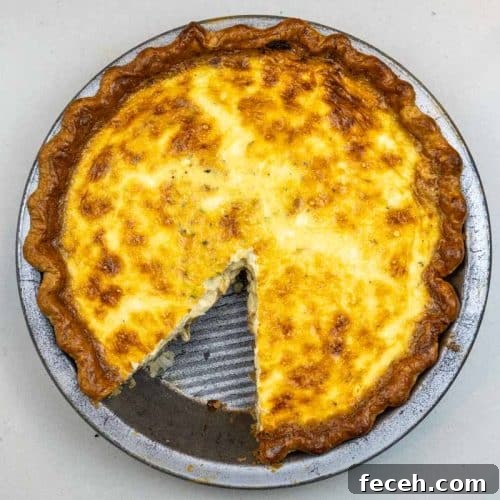
Pour the custard over the onions in the prepared crust, place the pie dish on a rimmed baking tray and transfer to a preheated 180°C/350°F oven. Bake until the top is lightly golden and the filling is set around the edges but still slightly wobbly in the center—about 30–40 minutes. Let the quiche rest for at least 15 minutes before slicing so the custard firms up and slices cleanly. It can also be served at room temperature.
This quiche is excellent for a brunch spread or a light dinner with a crisp salad. If you’re in the mood for something sweet instead, try a classic challah French toast for dessert or breakfast.
Goat’s Cheese & Caramelized Onion Quiche
Ingredients
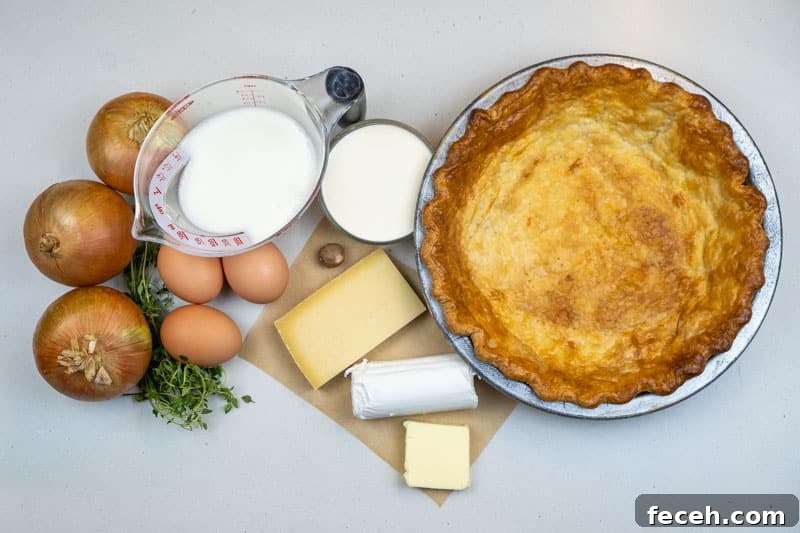
- 25 g (2 tbsp) unsalted butter
- 3 yellow onions thinly sliced
- 1 tbsp fresh thyme finely minced
- ¼ tsp nutmeg freshly grated
- 1 pie crust blind baked (see note)
- 3 eggs
- 250 ml (1 cup) whole milk
- 75 g (⅓ cup) crème fraîche
- 100 g (½ cup) goat’s cheese crumbled
- 75 g (½ cup) Gruyère cheese grated
Instructions
-
Set a large skillet over medium heat. Add the butter and 2 tbsp olive oil. When the butter foams, add the sliced onions and a generous pinch of salt. Stir, cover, and cook for about 20 minutes until the onions have released moisture and reduced in size.
-
Remove the lid and continue cooking, stirring occasionally, until the onions are deeply browned and caramelised. Deglaze with a splash of water if they begin to stick. This second stage should take 20–30 minutes.
-
Stir in the thyme and nutmeg and cook another minute until fragrant. Transfer the onions into the blind-baked pie crust, spreading them evenly across the base.
-
Preheat the oven to 180°C/350°F. In a bowl whisk eggs, milk, crème fraîche, ¼ tsp salt and a generous grind of black pepper until combined. Stir in the Gruyère and crumbled goat’s cheese.
-
Pour the custard over the onions, place the pie dish on a rimmed baking tray and bake for 30–40 minutes, until the edges are set and the center is slightly wobbly. Remove and cool for at least 15 minutes before slicing.
Notes
Nutrition
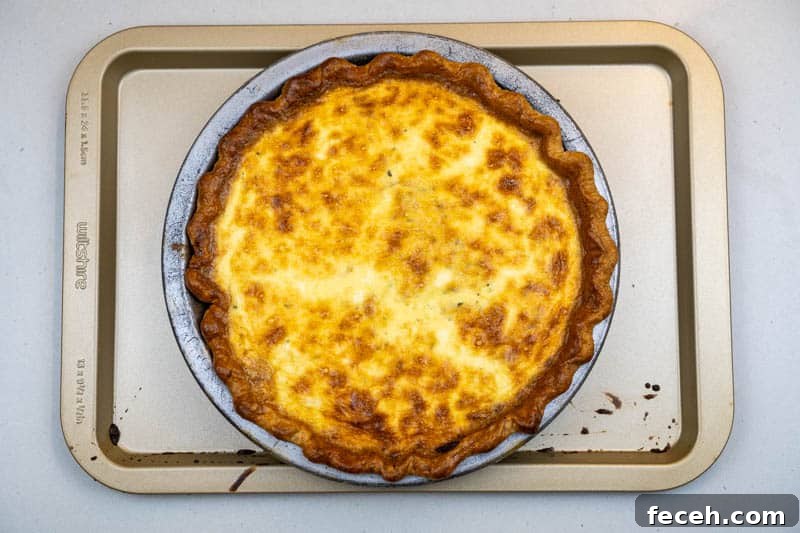
And that’s all there is to making a rich, flavourful quiche with caramelised onions, goat’s cheese and Gruyère. Its simple preparation yields complex flavour, and it’s likely to become a favourite.
Looking for a great quiche recipe or have questions? Leave a comment below!