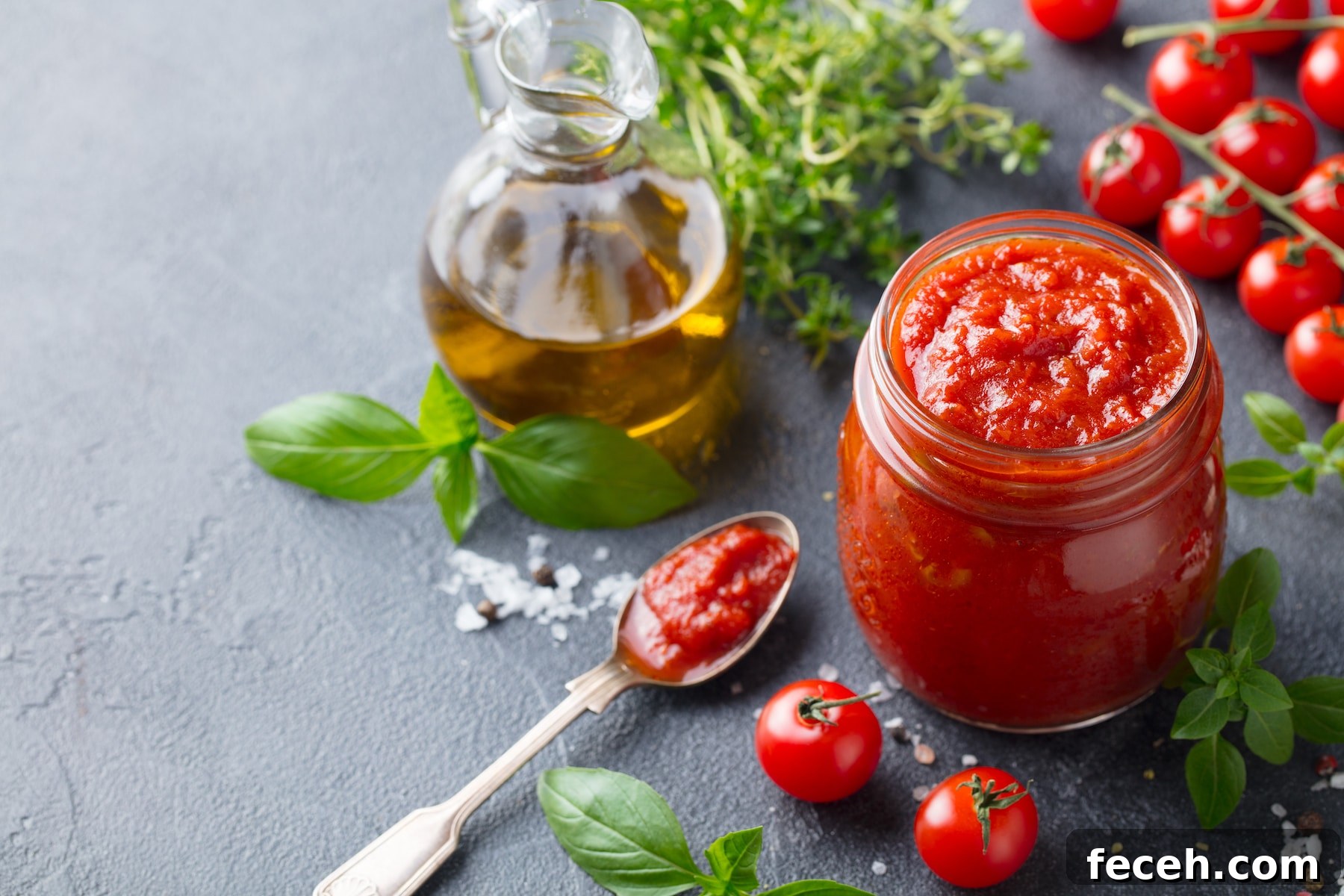
Ever stood in the grocery aisle staring at cans of tomato paste, puree, and sauce and wondered which one you actually need? You’re not alone. They can look similar, but each product serves a different purpose. The main differences are texture and intensity of flavor, but preparation and seasoning also matter. Here’s a clear, practical guide to help you choose the right tomato product for your recipe every time.
Tomato paste is the thickest and most concentrated
Tomato paste is made by cooking tomatoes down until most of the water has evaporated, leaving a dense, intensely flavored concentrate. It usually comes in small cans or tubes because a little goes a long way. Use paste when you need a concentrated tomato punch without adding extra liquid—ideal for chili, stews, sauces that need body, or recipes where you want a deep tomato backbone.
Because it’s so concentrated, many recipes recommend briefly cooking paste in oil to develop its flavor before adding other ingredients. Some versions are labeled double or triple concentrate, so skim the label and adjust quantity accordingly to avoid overpowering a dish.
Tomato sauce is thinner and usually seasoned
Tomato sauce is generally cooked and often seasoned with ingredients such as salt, garlic, onion, or herbs. It has a saucier consistency—thicker than juice but thinner than puree—and is ready to use straight from the can. Tomato sauce is a convenient base for pasta, casseroles, and quick weeknight meals where you want built-in flavor without extra prep.
Because tomato sauce often includes seasoning, taste it before adding extra salt or spices. It’s a handy shortcut for many dishes, though it isn’t the best choice if a recipe specifically needs a very thick base—that’s where paste comes in.
Tomato puree is the middle ground
Tomato puree sits between paste and sauce in both thickness and flavor. It’s made by briefly cooking and straining tomatoes to remove skins and seeds, producing a smooth but not overly concentrated product. Puree usually lacks added seasonings, making it a neutral canvas you can tailor with spices, herbs, or other ingredients.
Use puree when you want a substantial tomato base without the intensity of paste—good for soups, smooth sauces, and curries. If a recipe calls for crushed tomatoes and you’re out, puree can substitute in a pinch with a little added texture or seasoning as needed.
Why thickness matters in cooking
Thickness affects texture and how a dish finishes. Pizza sauce needs to be thick enough not to soak the crust, pasta sauces can be a bit thinner, and soups often require a looser tomato component. Choosing the wrong product can make a dish too watery or too dense.
You can adjust most tomato products: thin paste with a bit of water or stock, or reduce sauce by simmering to concentrate flavor and thickness. These tweaks give flexibility, but understanding the starting texture helps you avoid unnecessary adjustments.
Taste differences are important
Tomato paste delivers a bold, concentrated tomato taste that can be slightly sweet. Sauce tends to be smoother and often carries added seasonings. Puree is more neutral and lets you control the final flavor profile. Swapping one for another without adjusting seasonings can alter the balance of a recipe.
For dishes that rely on a specific balance—like shakshuka, enchiladas, or certain curries—choosing the right base matters. Consider both texture and seasoning when deciding which tomato product to use.
How to swap them when needed
If you run out of a specific tomato product, you can usually substitute with a little adjustment. Simmer sauce until it reduces if you need something thicker. Loosen paste with water or stock to mimic puree or sauce. A practical conversion to approximate puree is 1 part paste to 2 parts water, then season to taste.
Taste as you go and adjust with salt, sugar, herbs, or acid to restore balance. These simple fixes work well for most home cooking situations.
Storing leftovers
Opened tomato paste, sauce, or puree will keep a few days in the refrigerator if sealed tightly. Freezing in small portions—an ice cube tray works great—lets you store usable amounts for later. Label containers with contents and date. Paste is especially handy frozen in small cubes for later use in soups and sauces.
Resealable tubes of tomato paste are convenient for reducing waste and making it easy to use small quantities without opening a can.
Common dishes for each type
Think of common uses to guide your choice: tomato paste is best when you want concentrated flavor without added liquid, such as in meatloaf, sloppy joes, or thick stews. Tomato sauce works well for spaghetti, baked pasta, and dishes that benefit from ready-made seasoning. Puree fits nicely in smooth curries, bisques, and creamy sauces where you want a balanced tomato presence without overpowering intensity.
Using the right tomato product saves time and improves results. Once you understand their roles—paste for concentration, sauce for convenience and seasoning, puree for flexibility—you’ll be more confident in the kitchen and less likely to reach for the wrong can.