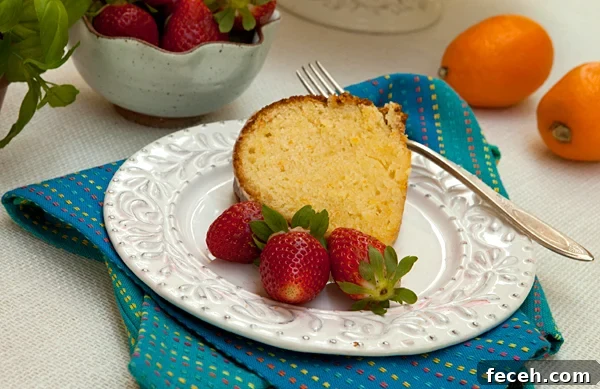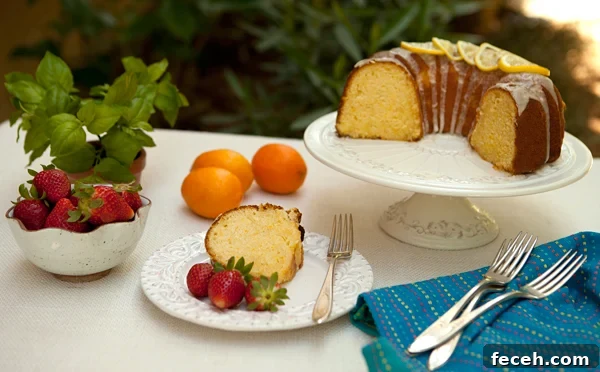
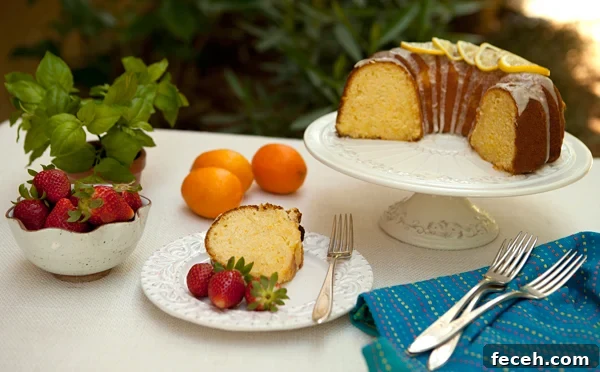
Florida is famous for its citrus, with oranges and grapefruits abundant through the winter months. As late winter turns to spring, Meyer lemons begin to appear in grocery stores, their warm, slightly orange hue and smooth, round shape immediately noticeable. Meyer lemons are milder and slightly sweeter than standard lemons, making them especially well suited for baked goods. The variety is believed to be a cross between a lemon and a mandarin orange and is often associated with the agricultural explorer Frank Meyer, who introduced the plant to the West from China in the early 20th century.
Meyer lemons can be used in many of the same ways as regular lemons to brighten savory and sweet dishes. However, when substituting Meyer lemons in baking, remember they tend to yield more juice and have a subtler acidity. Many bakers prefer Meyer lemons in cakes, tarts, and glazes because their floral, sweet notes complement sugar and butter without overpowering other flavors.
When Meyer lemons showed up at my local market, I adapted a simple olive oil cake to showcase their distinct flavor. The cake is moist and delicately aromatic — ideal with either a light dusting of powdered sugar or a thin lemon glaze to intensify the citrus character. I prefer a restrained finish rather than heavy icings so the tender crumb and olive oil’s subtle fruitiness remain the focus.
For best results, use a light-colored Bundt pan; darker pans may brown the exterior too much and can increase the chance of sticking. Regarding oil, a mild olive oil works beautifully — extra-virgin varieties can sometimes be too assertive for more delicate cakes. If you like a hint of complex citrus and floral aroma, a small amount of an extract such as Fiori di Sicilia (a blend of citrus and vanilla) enhances the cake without becoming dominant. If Meyer lemons are unavailable, regular lemons will work as a substitute, though you may need to increase the number used to achieve the same volume of juice and intensity of flavor.
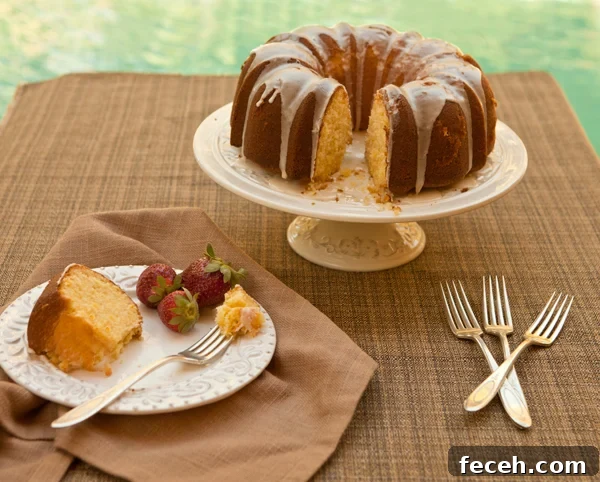
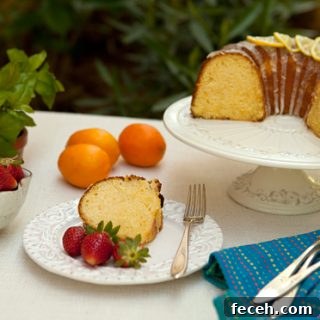
Meyer Lemon Olive Oil Cake
20 minutes
1 hour 5 minutes
1 hour 25 minutes
Ingredients
- 6 Meyer lemons, plus 1 extra for glaze
- 3 1/2 cups all-purpose flour
- 2 teaspoons baking powder
- 1 teaspoon fine salt
- 5 large eggs
- 3 cups granulated sugar
- 1/2 teaspoon Fiori di Sicilia extract (or 1/2 teaspoon lemon extract)
- 1 1/2 cups mild olive oil
Topping:
- Powdered sugar, or
- Lemon glaze: mix 4–5 teaspoons lemon juice with 1 cup powdered sugar
Instructions
- Preheat the oven to 350°F (175°C). Generously spray a 12-cup Bundt pan with baking spray.
- Zest four of the Meyer lemons, then juice all six. You should have about 1 1/2 cups of lemon juice.
- In a medium bowl, whisk together the flour, baking powder, and salt until evenly combined.
- In a separate large bowl, beat the eggs with an electric mixer until blended, about 2 minutes.
- Add the sugar and the extract to the eggs and beat until the mixture is pale and thickened, about 4 minutes.
- Stir in the lemon juice and zest and beat just until incorporated.
- Alternately add one-third of the olive oil and one-third of the flour mixture to the egg mixture, beginning and ending with the oil or flour as needed. Beat briefly between additions until evenly combined and the batter is smooth.
- Pour the batter into the prepared Bundt pan and smooth the top. Bake for 60 to 65 minutes, or until a cake tester inserted in the center comes out with a few moist crumbs. If the cake is browning too quickly, tent it lightly with foil during the last part of baking.
- Remove the cake from the oven and let it cool in the pan on a wire rack for 15 minutes. Run a knife gently around the edge of the cake to loosen it from the pan.
- Invert the cake onto a wire rack and allow it to cool completely to room temperature.
- When cool, either dust the cake with powdered sugar or drizzle it with the lemon glaze prepared by whisking powdered sugar with 4–5 teaspoons of lemon juice until smooth. Allow the glaze to set briefly before slicing.
Did you make this recipe?
Share your results and any adjustments you made. Photos and notes about texture, bake time in different ovens, or glaze variations are especially helpful for other bakers.
Buon Appetito!
Deborah Mele