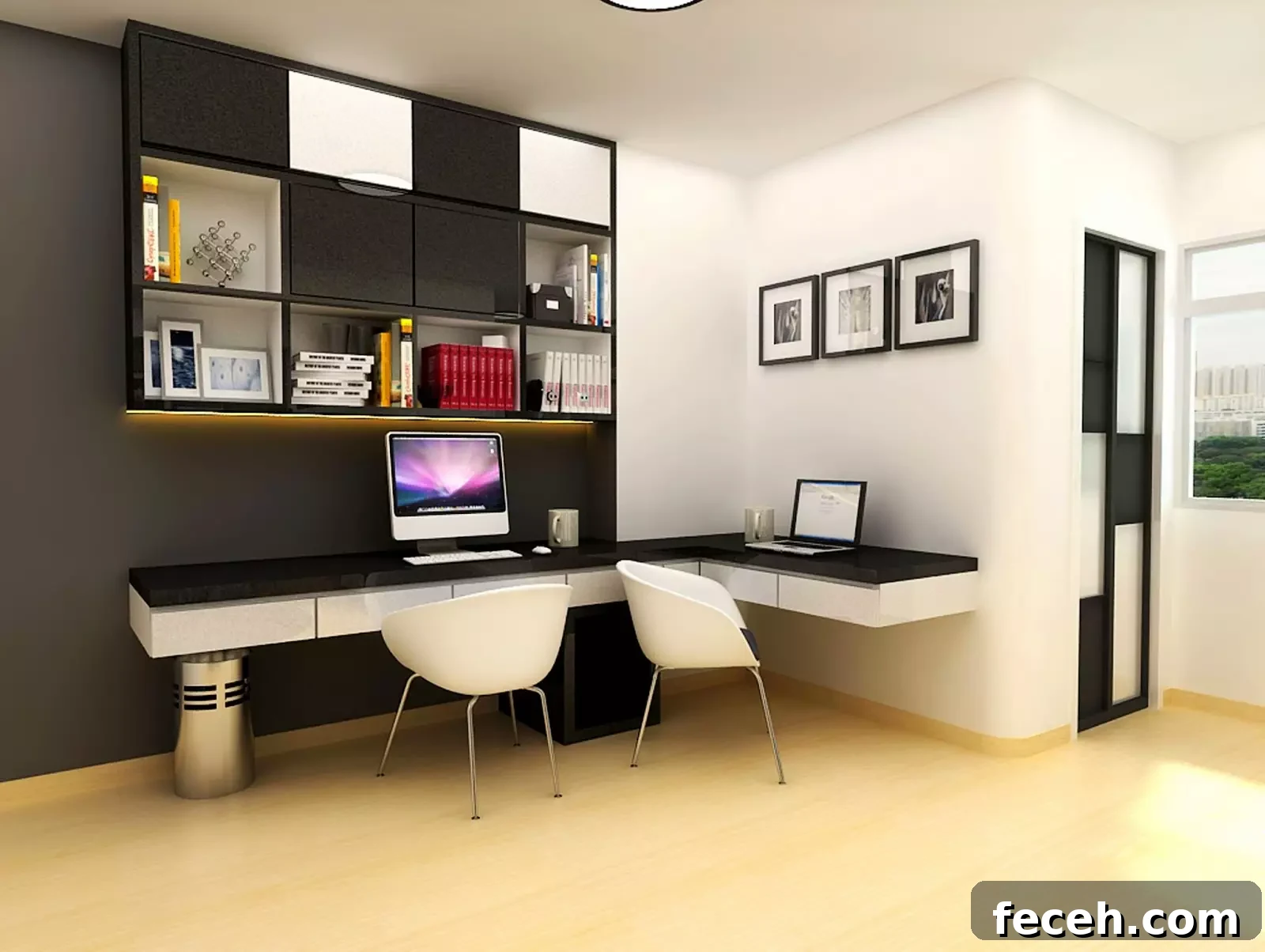
The need for well-designed, functional study spaces in homes continues to grow. Homeowners and interior designers are finding creative ways to incorporate study areas into living spaces without sacrificing aesthetics or practicality. This guide outlines effective strategies for creating a study space that blends seamlessly with your home, covering location, furniture, lighting, technology, personalization, and upkeep to ensure a productive and comfortable environment.
A Strategic Approach to Space Utilization
Identifying the Perfect Spot
Choosing where to place a study area starts with evaluating light, noise, and accessibility. Quiet corners near large windows or spots that receive steady natural light are often ideal. Avoid high-traffic routes and busy communal zones to reduce interruptions. Thoughtful placement improves focus and makes the study area feel like a deliberate part of the home rather than an afterthought.
Space-Saving Furniture
Space-conscious furniture helps integrate a study area without crowding the room. Options such as wall-mounted desks, fold-down workstations, and slim shelving units maximize floor space while keeping essentials organized. Choose pieces that match your home’s style so the study area complements the overall décor while remaining practical.
Incorporating Ergonomic Furniture
Choosing the Right Chair
An ergonomic chair is central to a healthy study setup. Look for adjustable height, proper lumbar support, and sufficient cushioning to encourage good posture during long sessions. A comfortable chair reduces the risk of back pain and helps maintain concentration.
Desk Considerations
Select a desk with the right height and surface area to hold your essentials without becoming cluttered. Consider adjustable-height desks that allow alternating between sitting and standing, which can improve circulation and reduce fatigue over extended work periods.
Lighting and Color Scheme
Optimal Lighting Solutions
Good lighting is crucial for comfort and eye health. Combine natural daylight with layered artificial lighting—task lights, adjustable desk lamps, and ambient fixtures—to create a balanced environment. Dimmable or adjustable lights let you tailor brightness to the task and time of day, preventing eye strain.
Selecting a Soothing Color Palette
Choose colors that support focus and calm. Muted blues, greens, and soft neutrals create a tranquil atmosphere conducive to concentration. Avoid overly bright or very dark tones that can be distracting or make the space feel confined.
Integrating Technology
Wired and Wireless Connections
Plan for reliable power and connectivity. Position outlets and cable access where devices will sit to minimize clutter and make charging convenient. A mix of wired and wireless options ensures dependable internet access and power for laptops, printers, and other devices.
Tech Accessories and Gadgets
Useful accessories enhance productivity: adjustable monitors, ergonomic keyboards, laptop stands, and noise-canceling headphones can reduce strain and improve focus. Choose tech that fits your workflow and keeps the workspace tidy.
Adding Personal Touches
Decor and Accessories
Personalize the area with items that inspire you—artwork, a small plant, framed photos, or favorite books. Thoughtful décor makes the space inviting without overwhelming it; keep decorations purposeful to maintain a productive atmosphere.
Creating a Relaxing Ambiance
Small elements can improve mood and focus. A compact diffuser with a calming scent, soft background music, or a subtle water feature can create a relaxed environment that supports sustained concentration. Balance sensory elements so they soothe rather than distract.
Maintenance and Organization
Regular Cleaning
Keep the study area clean and dust-free. Regular tidying reduces distractions and preserves the appearance and function of furniture and equipment. A quick daily reset of the desk surface and a weekly deeper clean help maintain a productive setting.
Organization Systems
Implement storage solutions to keep materials accessible and orderly. Drawer dividers, labeled boxes, vertical file holders, and cable management systems ensure everything has a place. Clear organization saves time and supports a focused workflow.
Conclusion
Creating a study space that balances form and function requires thoughtful choices about location, furniture, lighting, technology, and personal touches. By combining ergonomic design, effective organization, and a calming aesthetic, you can craft a home study area that supports productivity and complements your living environment.