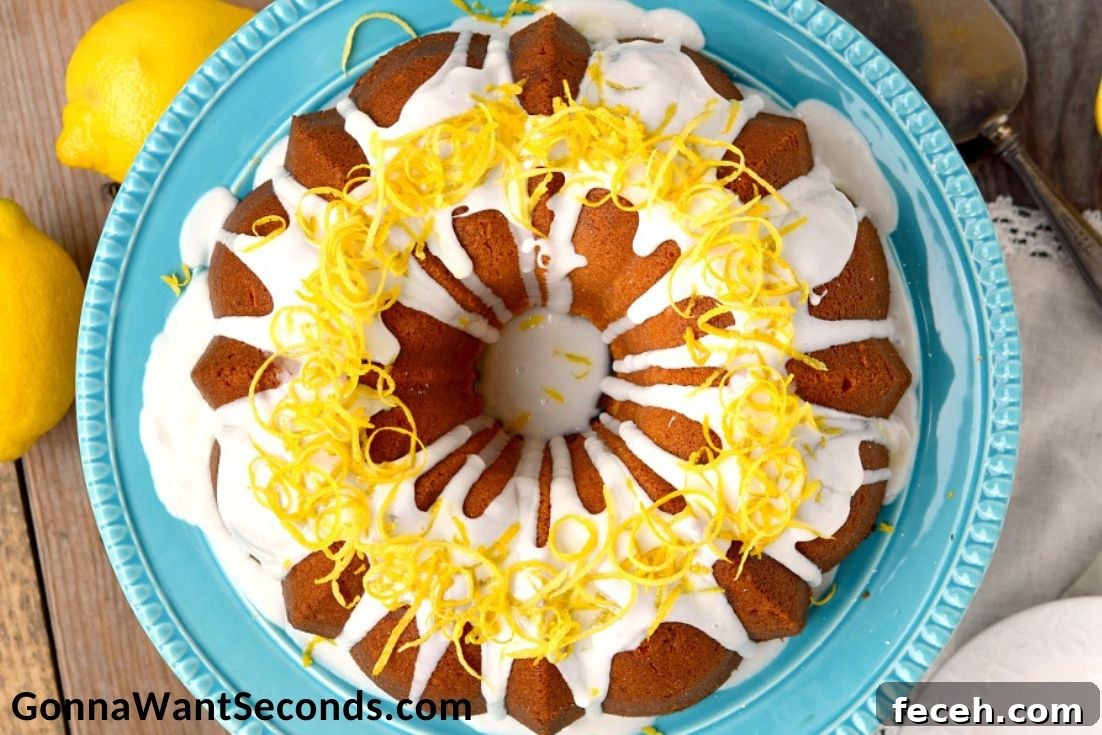
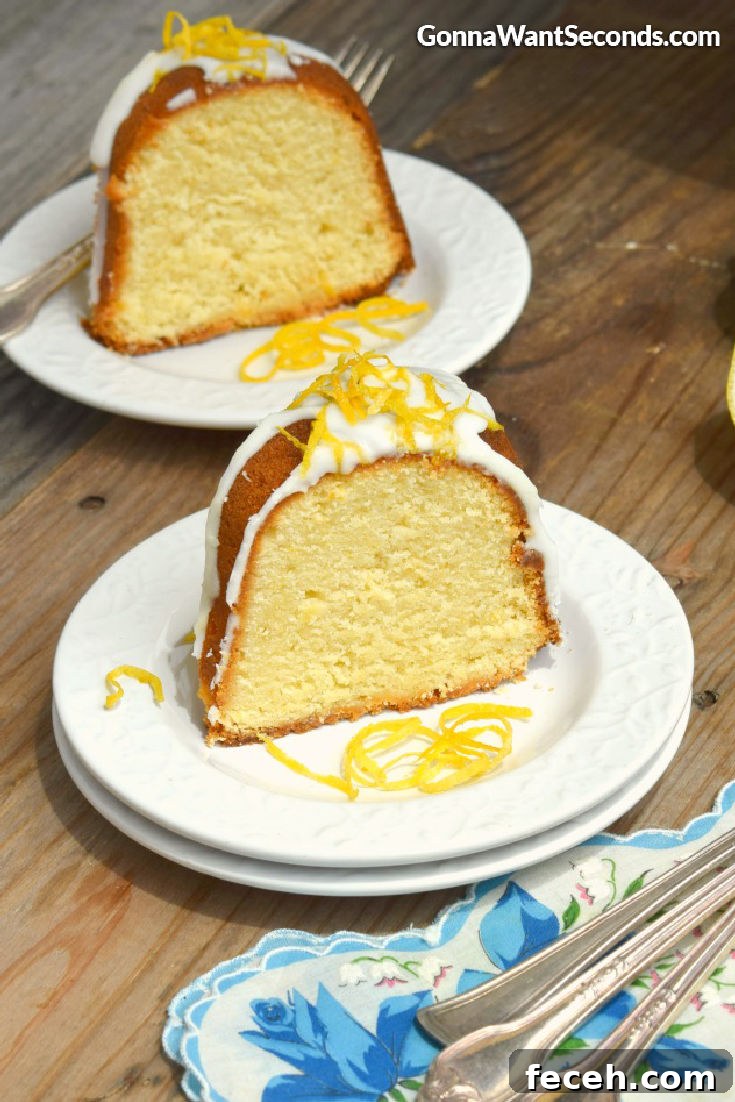
This is not your ordinary lemon cake. This lemon cream cheese pound cake is rich, tender, and one of the most impressive cakes you can bake—especially for spring and summer.
Once you try this recipe, you may want to experiment with other classic pound cake flavors such as peach, old-fashioned, strawberry, or chocolate. These cakes are perfect for warm-weather gatherings and evoke nostalgic memories of porches, sunshine, and sweet fragrances.
Let’s bake!
Why This Recipe Works
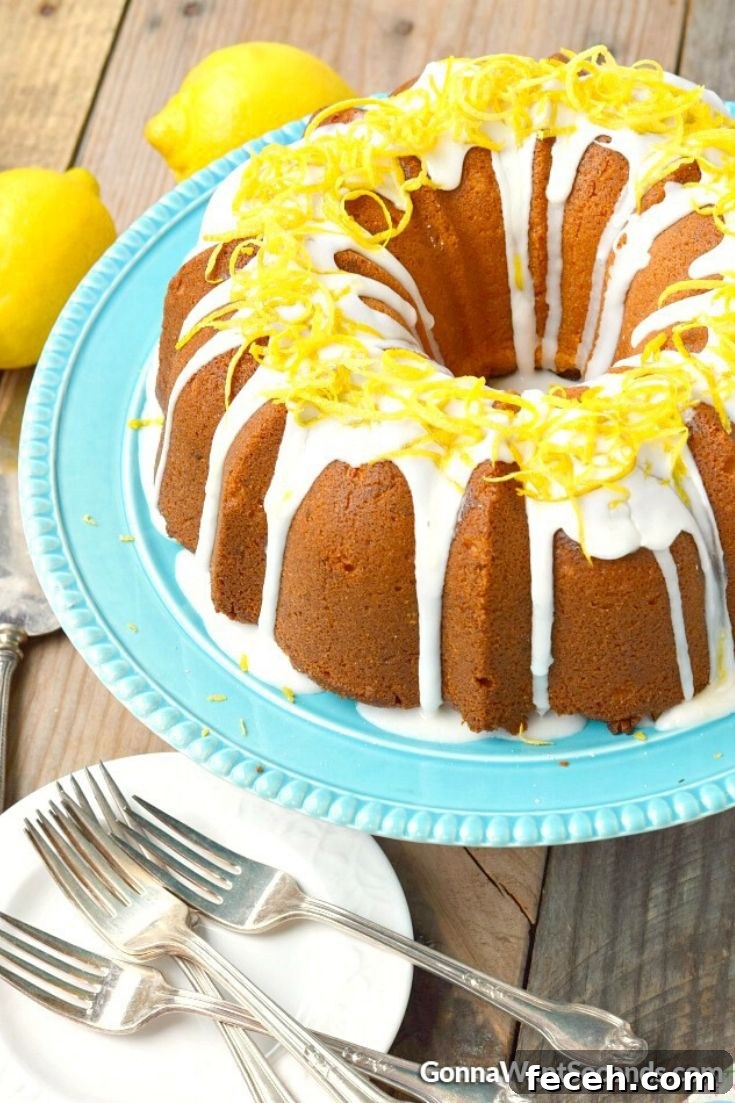
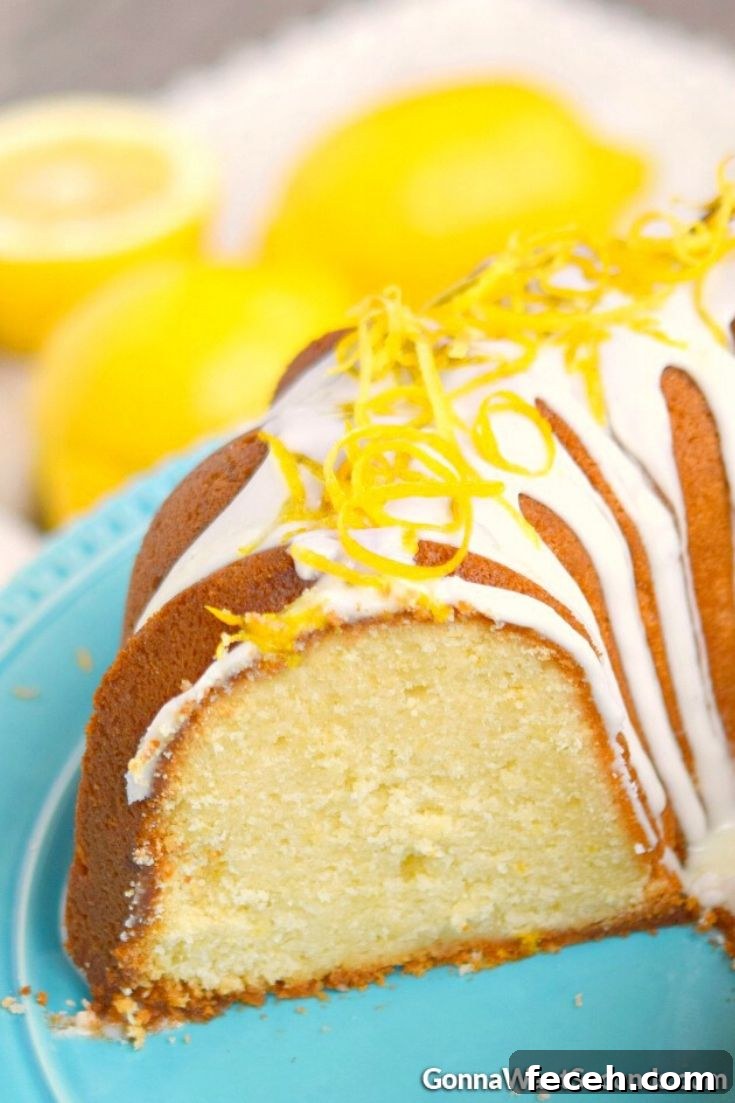
Pound cakes can sometimes be dry, but this version stays moist and flavorful thanks to the combination of butter and cream cheese. The lemon components—zest, juice, and extract—deliver bright, layered citrus flavor that really stands out. Highlights include:
- Rich, buttery crumb
- Sweet, bright lemon glaze
- Moist, dense texture that slices beautifully
Overview: How to Make Lemon Cream Cheese Pound Cake
- Make the cake: Beat butter and cream cheese until smooth, add sugar, then add the eggs one at a time.
- Whisk together flour and salt; add to the butter mixture alternately with lemon juice.
- Stir in lemon zest, lemon extract, and vanilla until incorporated.
- Pour batter into a greased 12-cup bundt pan and bake until a skewer comes out with a few moist crumbs.
- Make the glaze: Whisk powdered sugar with lemon juice to a thick but pourable consistency and drizzle over the cooled cake.
See the full recipe and instructions below.
Ingredients
- Butter: Unsalted, softened to room temperature.
- Cream cheese: Full-fat, softened to room temperature.
- Sugar: Granulated.
- Eggs: Large, at room temperature.
- Flour: All-purpose.
- Salt: Table salt.
- Lemon: The recipe uses lemon zest, fresh lemon juice, and a touch of lemon extract for concentrated flavor—each contributes a different note for a brighter cake.
- Vanilla extract: Use pure vanilla for best flavor.
Tips for Success
- Room temperature ingredients: Softened butter and cream cheese blend smoothly and trap air for a lighter texture. Bring eggs and lemon to room temperature as well.
- Add eggs one at a time: This helps prevent curdling and keeps the batter homogeneous.
- Measure accurately: Baking is precise—too much sugar can cause collapse; too much flour makes the cake dry. Use the fluff-and-spoon method for flour to avoid packing.
- Mixing: Beat until the mixture is light and fluffy, but avoid overbeating the eggs which can cause the batter to rise and then overflow or collapse.
- Baking powder: Not necessary in this recipe; the dense, tender crumb is achieved without it. Adding it is optional.
- Grease the bundt pan well: Butter and flour, or a butter-flavored baking spray, work well to ensure a clean release.
- Remove air pockets: After pouring the batter into the pan, tap the pan on the counter a few times to settle the batter.
- Use reliable brands: Brand differences in sugar and butter can slightly affect texture; choose quality ingredients when possible.
- Test for doneness: Insert a bamboo skewer in the center. When it comes out with only a few moist crumbs (not wet batter), the cake is done.
Storing, Freezing & Make-Ahead
Protect the cake from air to keep it moist. Store it in a cake saver or wrapped tightly in the refrigerator. Once sliced, cover exposed edges to prevent drying.
- Refrigerator: Properly stored, the cake stays moist for up to a week. Keep it sealed and away from strong odors.
- Freezing: Yes. Double-wrap in plastic wrap or foil and place in a resealable freezer bag. For best texture, add the glaze at serving time unless freezing single slices already glazed. Thaw on the counter for an hour or overnight in the fridge.
- Make-ahead: The cake remains fresh on the counter for 3–4 days, making it a good option to prepare in advance. You can also freeze and glaze later.
Recipe
Cake:
- 1 1/2 cups unsalted butter, softened
- 1 (8-ounce) package cream cheese, softened
- 3 cups sugar
- 6 large eggs
- 3 cups all-purpose flour
- 1/2 teaspoon salt
- 1/4 cup fresh lemon juice
- 1/3 cup fresh lemon zest
- 1 tablespoon lemon extract
- 1 teaspoon vanilla extract
Glaze:
- 2 cups powdered sugar, sifted
- 2–4 tablespoons fresh lemon juice
Instructions
- Preheat oven to 325°F (163°C). Grease a 12-cup bundt pan.
- In a medium bowl, beat butter and cream cheese until smooth. Gradually add sugar and beat on medium until light and fluffy. Add eggs one at a time, beating just until each is incorporated.
- In a separate bowl, whisk together flour and salt. Add the flour mixture to the butter mixture alternately with lemon juice, beginning and ending with flour. Mix on low after each addition until blended.
- Stir in lemon zest, lemon extract, and vanilla. Pour batter into the prepared bundt pan, smoothing the top.
- Bake 1 hour 30 minutes to 1 hour 35 minutes, or until a skewer inserted in the center comes out with a few moist crumbs. Cool in the pan on a wire rack 10–15 minutes, then remove and cool completely.
- To make the glaze, combine powdered sugar and 2 tablespoons lemon juice. Beat until smooth, adding more lemon juice a teaspoon at a time until a thick but pourable consistency is reached. Drizzle over the cooled cake and allow the glaze to set.
Notes
- Room-temperature ingredients blend more evenly and yield a better texture.
- Add eggs one at a time to prevent curdling.
- Measure flour correctly using the fluff-and-spoon method to avoid a dry cake.
- Beat until the batter is light in color—don’t overbeat the eggs.
- Grease the bundt pan thoroughly to ensure the cake releases cleanly.
- For doneness, expect a few moist crumbs on the skewer, not wet batter.
Nutrition (per serving)
Serving: 1/8 of the recipe. Calories and nutrient values will vary by ingredient brands and portion size.

If you make this recipe, please leave a review—feedback is always appreciated!