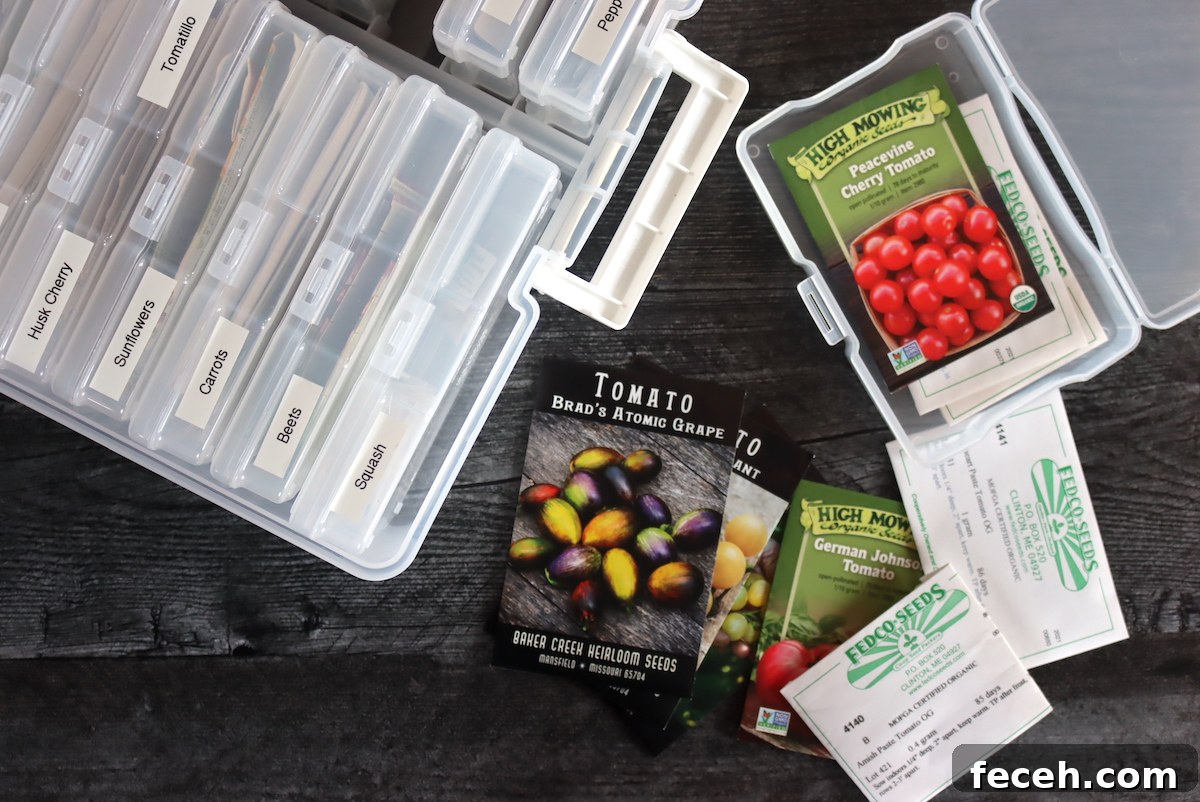
Seed storage can be a challenge for many gardeners. When seed catalogs arrive each winter, it’s hard not to buy more. This simple seed organizer keeps packets tidy so you can see what you already have well before planting season.
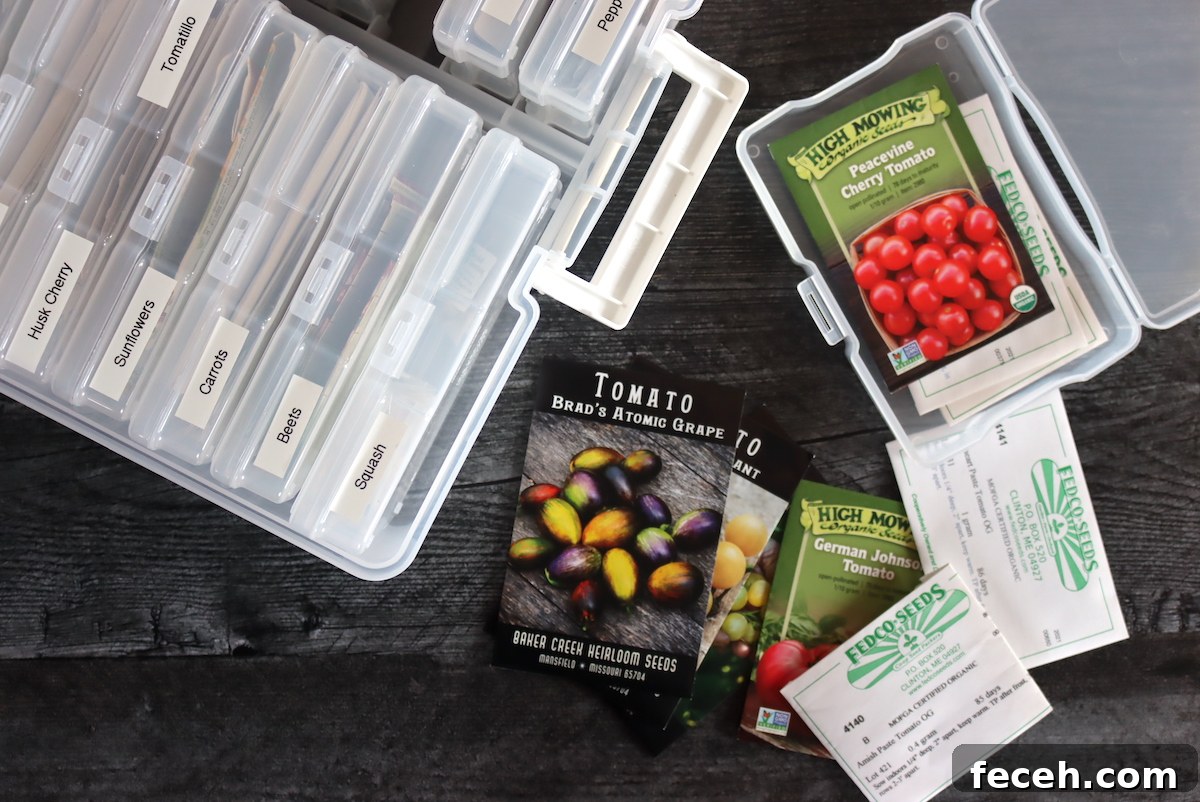
Each year my spouse and I inventory our seeds to decide what to order. Between a few different catalogs our garden stays diverse, but without a good system we frequently buy duplicates. Conversations like “Where did the cherry tomato seed go?” or “We had more watermelon seed, didn’t we?” used to end with us ordering replacements—and increasing the clutter and variety of seed ages to sort through.
At first I sorted packets into large manilla envelopes by type. That helped a little, but it was hard to see contents without removing each envelope.
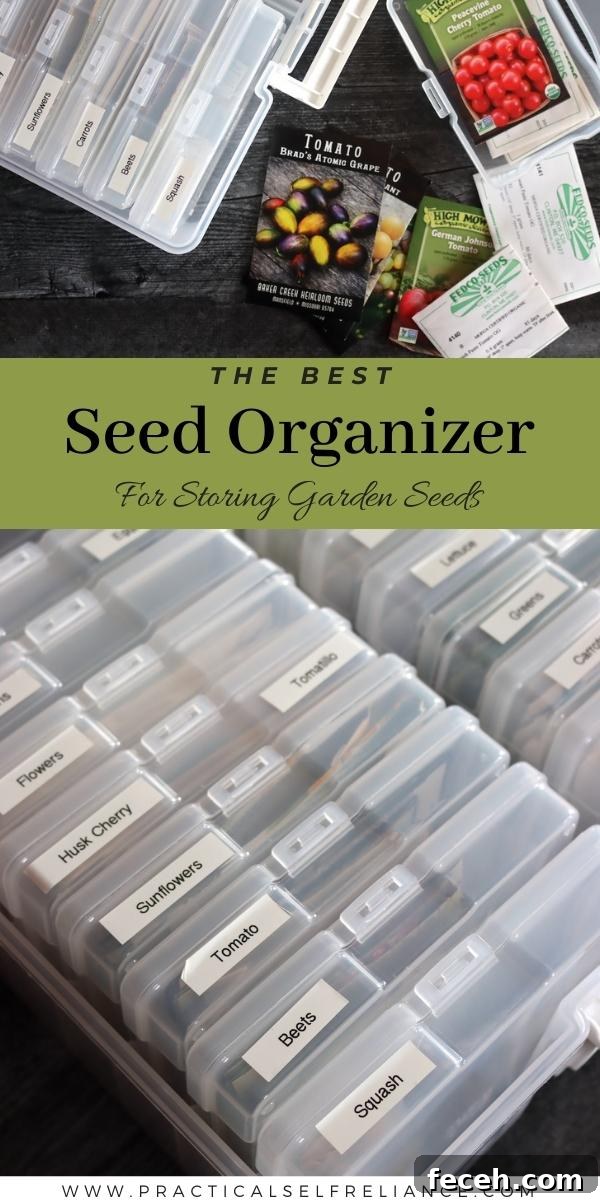
Then I found a portable photo organizer at a craft store. Designed for standard 4”x6” prints, it turned out to be an ideal size for seed packets.
A photo organizer is a perfect, inexpensive solution for seed storage.
I chose a model with 16 clear compartments, but they come in different styles and colors. For a practical, water-resistant option the clear plastic organizer works best; if you prefer a handmade or decorative container you can find alternatives that fit your aesthetic.
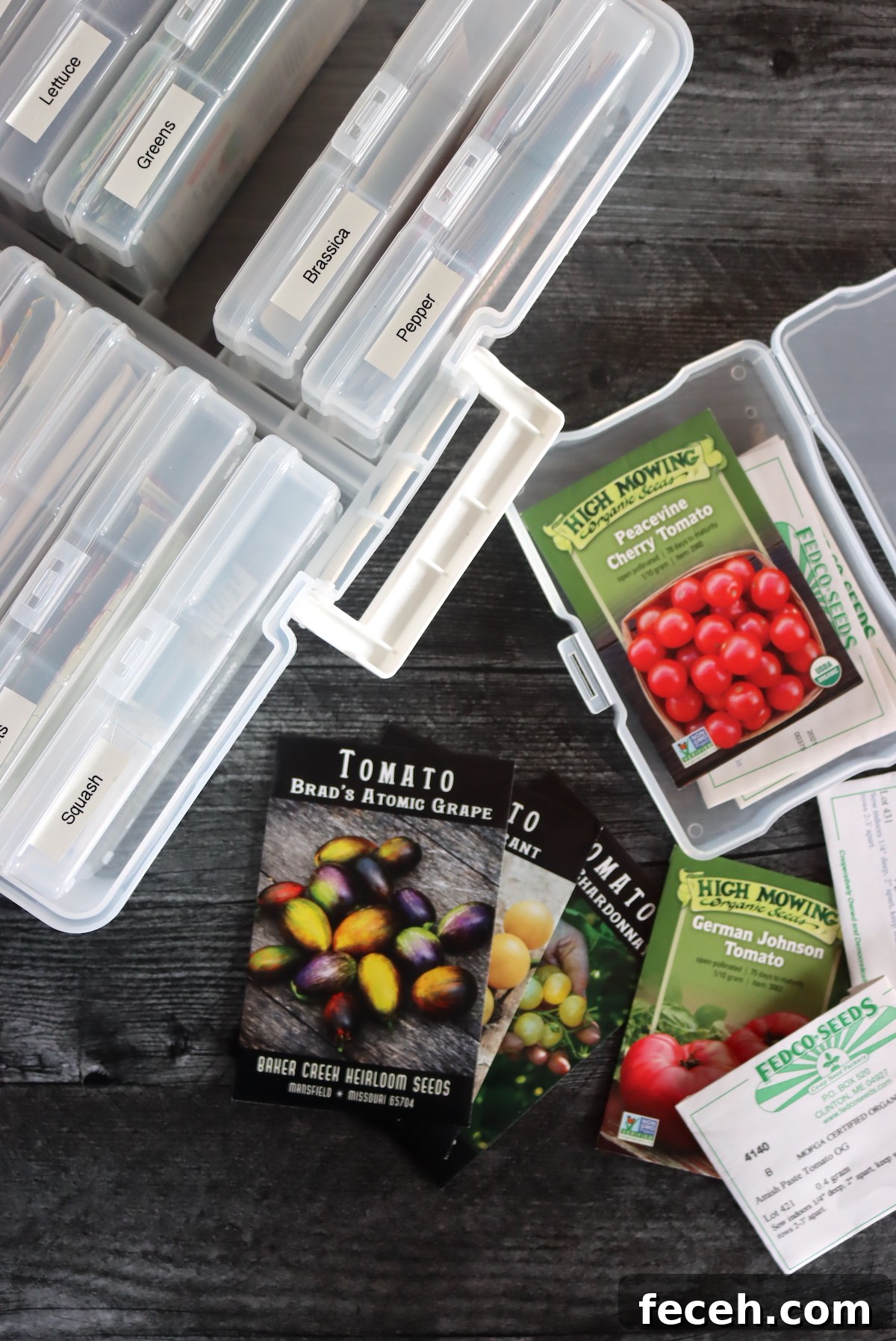
Most standard seed packets fit with a little wiggle room. Packets from common suppliers such as Burpee, High Mowing Organic Seeds, Fedco, and Johnny’s fit neatly. Some brands with larger, showy packets—like Baker Creek and Botanical Interests—also fit fine in the compartments.
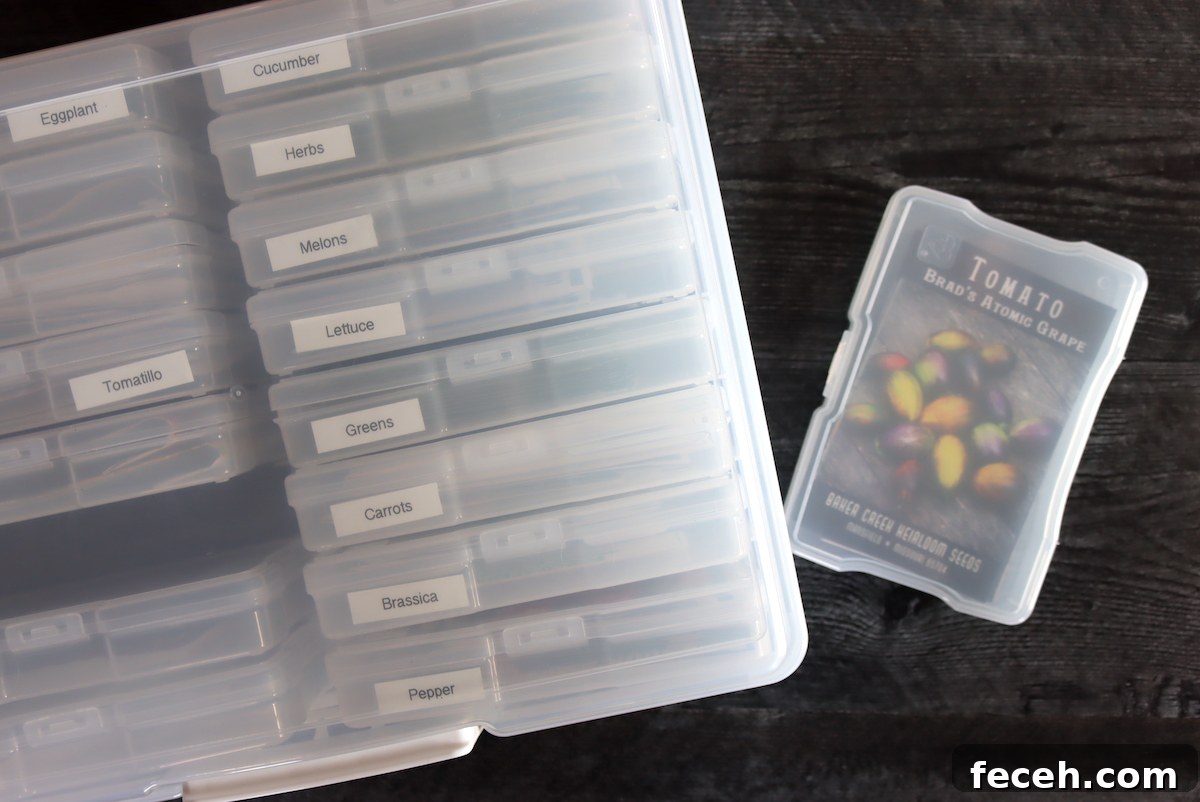
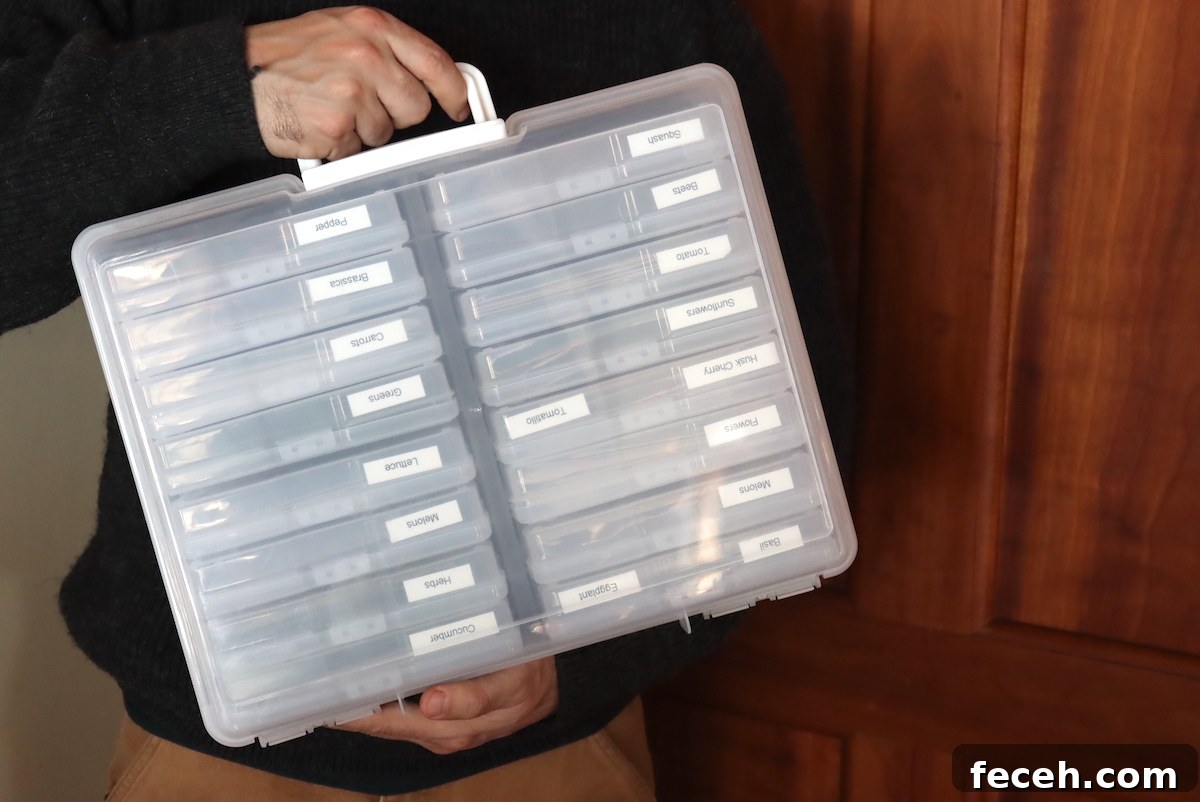
I organize seeds by type and label each compartment. A typical photo organizer has 16 small boxes inside a larger carrying case with a handle. A label maker gives a clean look, but masking tape and a permanent marker work well too.
My categories are tailored to what we grow, for example:
- Tomatoes
- Peppers (hot and sweet)
- Squash
- Basil & Eggplant
- Beets
- Carrots
- Cucumbers
- Sunflowers
- Tomatillos & Husk Cherries
- Edible & Decorative Flowers
- Medicinal Herbs
- Melons
- Lettuce
- Other Greens (mizuna, arugula, miner’s lettuce)
- Brassicas (broccoli, cabbage, etc.)
- Other Unique Fruits (litchi tomatoes, tamarillos, garden huckleberries)
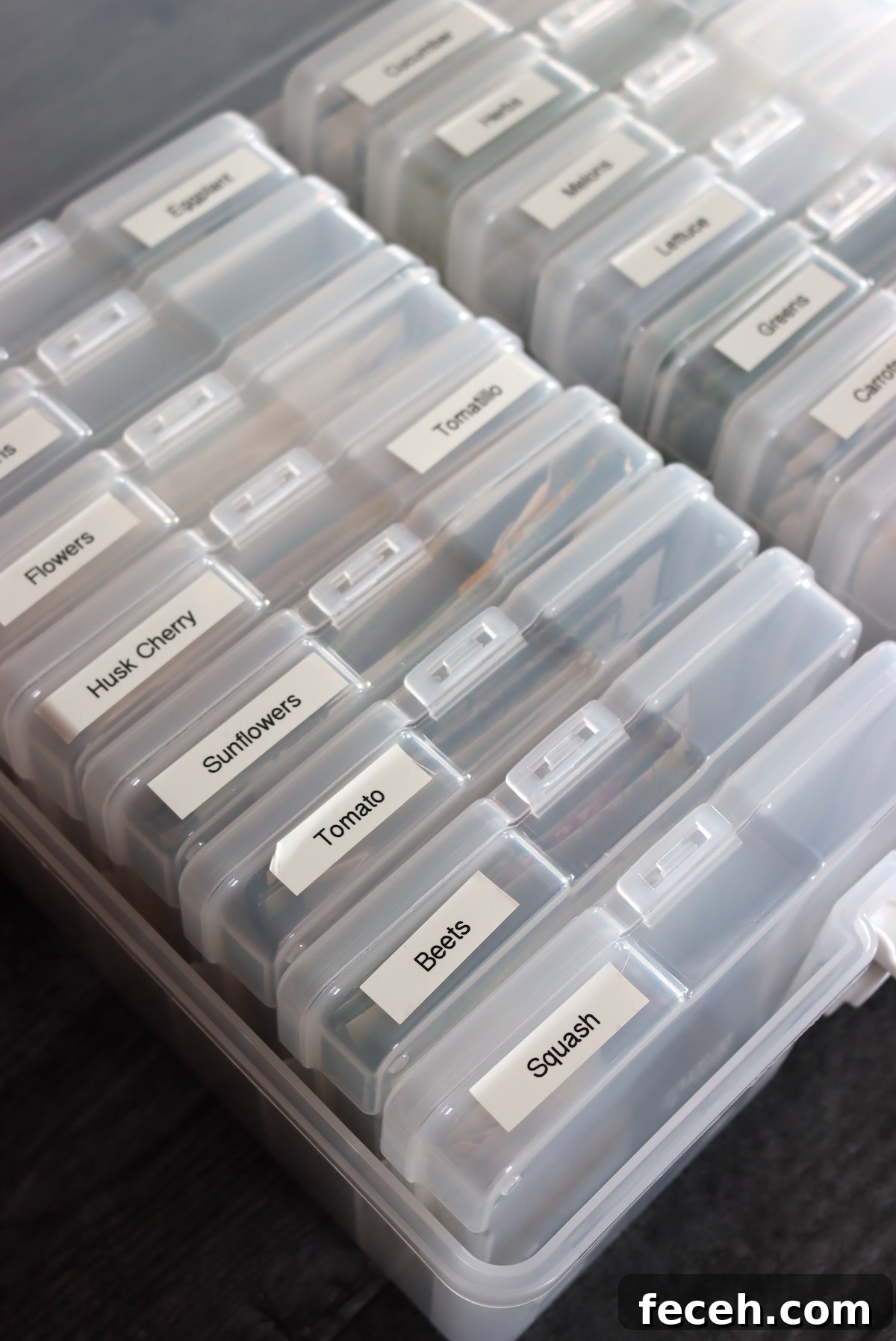
Not everyone needs separate compartments for beets and carrots; root crops can share a space. We tend to plant a lot of succession rows, can vegetables, and harvest fresh greens, so we run through many seed packets each season. Sunflowers get their own compartment because my daughter loves them and we also harvest seeds for snacking.
Clear compartments let you see at a glance how many packets remain. If a compartment shows only one or two lettuce packets, I know it’s time to order more before planting season.
The case seals well against moisture—though it’s not waterproof—so avoid soaking it or leaving it outdoors in rain. Portability is useful: you can carry the organizer to the garden and set it on a raised bed without worrying that moisture from the soil will ruin unopened packets. Wet seeds can quickly mold if they aren’t planted right away, so keeping them dry and protected matters.
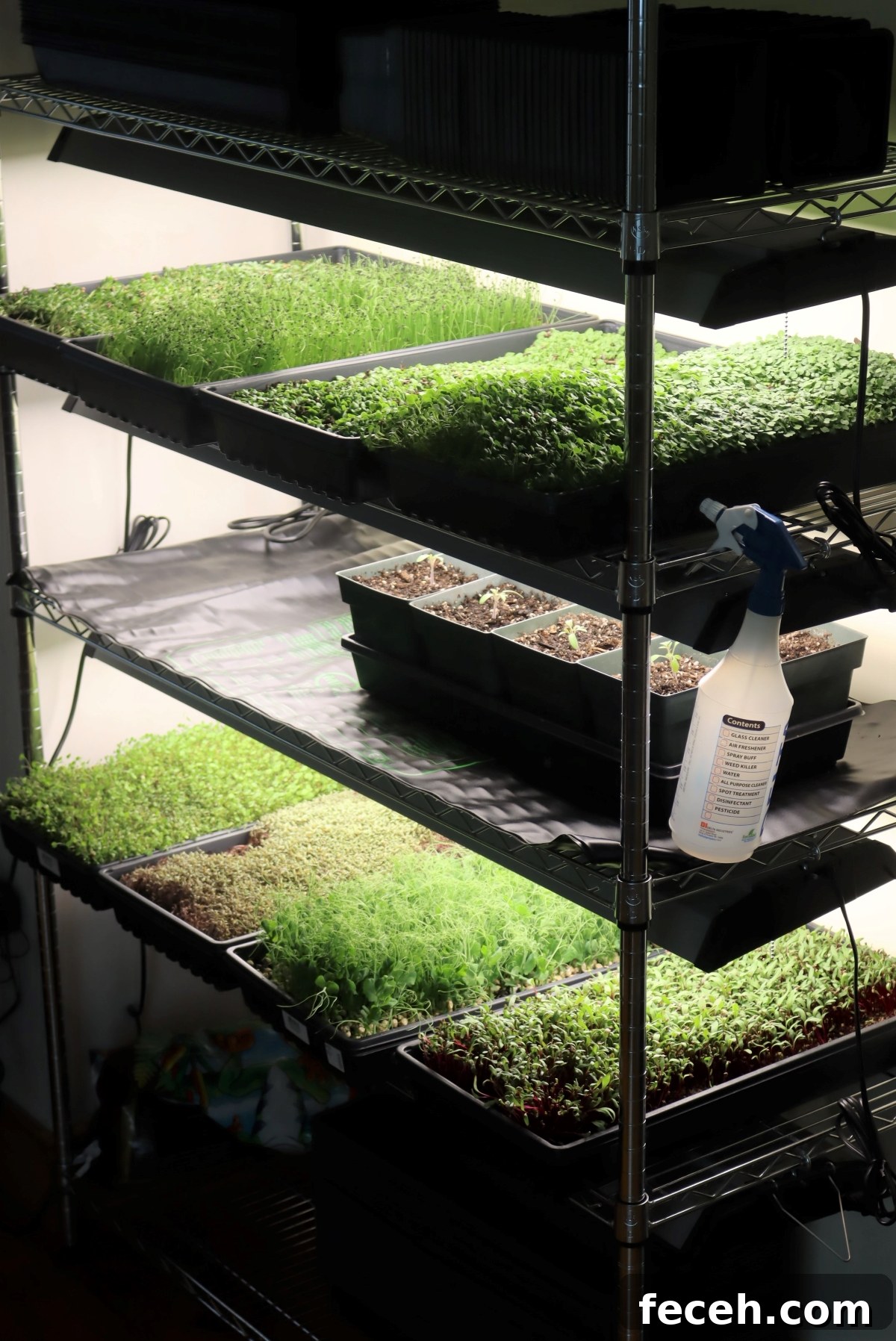
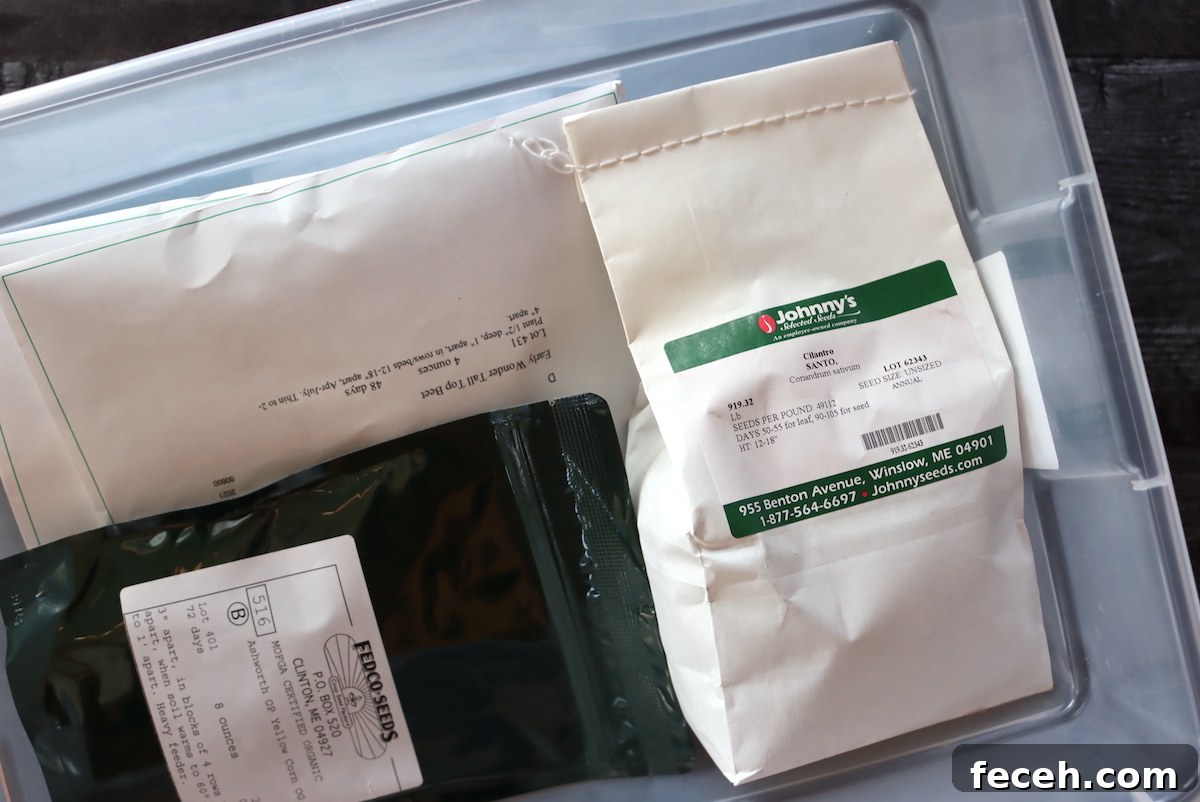
Large bulk quantities won’t fit in a photo organizer. We buy some seeds by the pound—peas for fresh eating and canning, microgreen mixes, and other bulk crops—which come in quart to gallon-sized bags. Those are stored separately in a clear plastic tote about the size of a shoebox or in a 5-gallon bucket with a gamma seal lid for microgreen seed. That bucket sits near our indoor seed-starting rack with grow lights, since we use a lot of microgreen seed year-round.
For most home gardeners who don’t buy seeds by the pound, a single photo organizer will hold the majority of packets. Each pouch typically fits about 20–25 small packets (tomato, lettuce) or 10–15 larger packets (melon, squash). If you have more than that—say an extensive tomato collection—use two organizers and split varieties logically (cherry tomatoes in one, canning varieties in another, heirlooms in a third).
Best Place to Store Seeds
Once organized, choose a storage spot that stays cool and dry. We keep our seed organizer in a pantry closet on the north side of the house where temperatures stay steady and humidity is low. Basements and other humid areas are poor choices for seed storage because moisture shortens seed life and can promote spoilage.
Refrigerating or freezing seeds isn’t required for most garden varieties and can cause problems if packets are exposed to condensation. Long-term seed banks freeze seeds after thorough drying to extremely low moisture levels; that special preparation isn’t practical for typical home seed packets.
For routine storage, a cool, dry pantry or closet is sufficient. The only common exception is seeds that require cold stratification to break dormancy—those may need a period of refrigeration or moist chilling before planting, but this applies to specific species rather than everyday garden seeds.
Growing From Seed Tutorials
If you want guidance on starting specific plants from seed, look for tutorials on growing strawberries, asparagus, rhubarb, tomatoes, garlic, and lemon trees from seed. Practical, species-specific instructions will help you get the best germination and healthy seedlings for transplanting.
In short: convert a clear photo organizer into a seed storage system, label compartments by crop type, keep bulk seed separate, and store the organizer in a cool, dry spot. It’s an inexpensive, portable, and effective way to know exactly what seed you have, avoid duplicate purchases, and keep planting season organized.