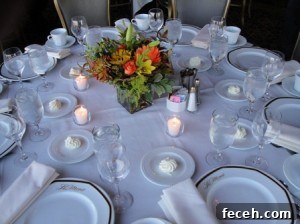
Restaurant Secrets
Lemont restaurant
Restaurant Secrets
Dining out can feel like a polished performance, but behind the scenes restaurants are busy, fast-paced operations with practical shortcuts and sales tactics. Understanding a few of these habits can help you get a better meal and avoid surprises on your bill.
Weekend brunches often coincide with staff downtime after late-night shifts. If you visit on a Saturday or Sunday morning, your server may be a little subdued—many foodservice employees work long hours and socialize on their days off. That doesn’t mean they aren’t professional, but don’t expect high energy at every table.
Upselling is a common practice: servers often suggest add-ons that raise the check and increase their tips. A simple dinner salad might be offered with shrimp or avocado; a basic gin and tonic could be upgraded to a premium gin for a few extra dollars. These suggestions are legitimate options, but be aware they affect your total and choose intentionally.
The Sullivan Nod
One subtle sales tactic sometimes used is the “Sullivan Nod,” a nod of agreement or emphasis when a server mentions a pricier special. The small gesture can make diners more inclined to accept a higher-priced item. It’s a mild psychological nudge rather than a guarantee—always pick what fits your appetite and budget.
In the kitchen, minimizing waste is essential to profitability. If a piece of protein is dropped briefly, some kitchens will trim and reuse it after appropriate handling rather than discard it. While this may sound unappetizing, it’s a reflection of how brigades manage costs; reputable kitchens follow food-safety rules while working to control waste.
Timing matters. If a restaurant officially closes at 10 p.m., the kitchen often begins breakdown and cleaning well before that time. Arriving a few minutes before closing can lead to slower service or rushed preparation. For a carefully prepared meal, try to dine during regular service hours rather than at the very end of the night.
Not everything is thrown away. Leftover bread, butter, vegetable trimmings, and bones are frequently repurposed: bread can become breadcrumbs or pudding, butter might be reused in prep, and trimmings often go into stocks and soups. Chefs often transform leftovers into specials, which is both economical and practical when handled safely.
If you hope to speak with the chef, choose a quiet time. Asking the chef to come to your table during a Friday night rush is unrealistic; the kitchen will be focused on service. Visit during a lull or ask to leave a note if you’d like feedback or a special request considered.
A small hygiene tip: many restaurants do not wash fruit between delivery and service, and lemons used for water or garnish can pass through many hands. If this concerns you, skip the lemon in your water or request a washed garnish when ordering.
Servers dislike separate checks because splitting bills adds work, increases the chance of errors, and slows down service. If you can manage with a single check or plan ahead with payment apps, it helps the team and speeds up the process.
Suggestions
If you want your feedback or a suggestion to reach the chef, don’t rely on your server during a busy shift. Busy servers may not have time to pass along comments. Writing a note or emailing the restaurant after your visit is more effective: it gives the chef time to consider your idea and often leads to a more thoughtful response.
Remember servers perform many tasks beyond table service—they clean, restock, and handle difficult customers. Tipping appropriately reflects that effort. A 15% tip is the minimum baseline; when service meets or exceeds expectations, leaving 20% or more is customary and appreciated.
Chef Chuck Kerber
Cooksandeats.com