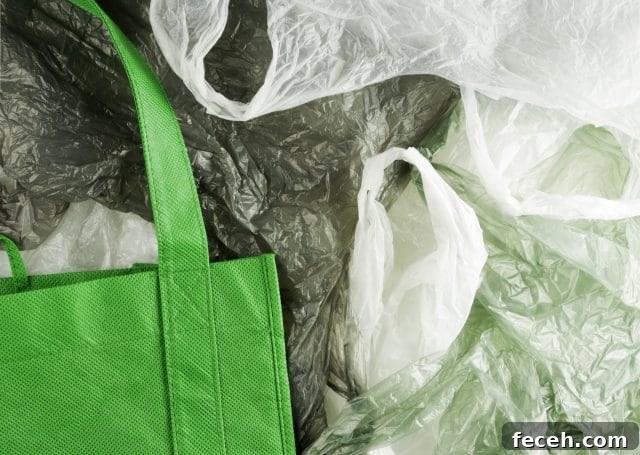
Plastic shopping bags are harmful to the environment, yet many of us rely on them as convenient bin liners. Below are practical alternatives and strategies to reduce plastic use while keeping your home tidy.
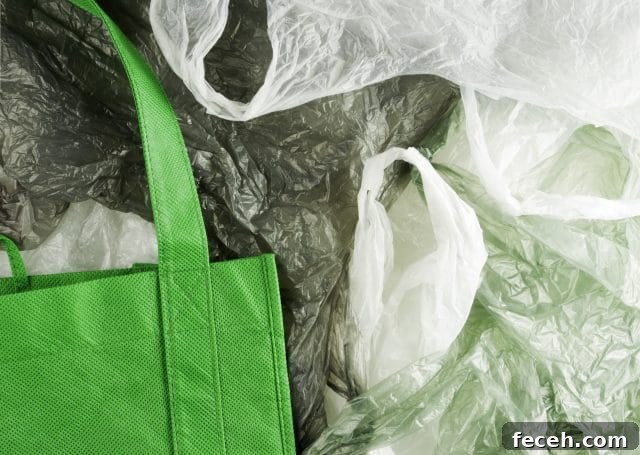
Plastic bags are widely recognised as environmentally damaging. Despite this, many people keep them because they serve a free, convenient purpose as bin liners.
If you’ve switched to reusable shopping bags for your shopping trips, you may still be left wondering: what should replace plastic shopping bags as bin liners?
Plastic bag alternatives
One effective strategy we adopted was to remove the kitchen bin altogether. This change helped in two ways: it reduced pest problems, and it made us far more aware of the waste we generate.
Not having an easily accessible bin forces you to think before tossing things out. Once you separate recyclables and compostables, most of the remaining household rubbish is packaging. Ironically, we often use plastic bags to dispose of other plastic packaging.
So the key question shifts from “what can replace plastic shopping bags as bin liners?” to “how can I reduce my waste so I don’t need them?”
When you actively work to minimise waste, the few plastic bags you do have can be used sensibly rather than discarded immediately. Here are practical options:
- Repurpose existing packaging: an empty bread bag, a frozen-pea bag, or even a clean milk carton can be used as a short-term bin liner when your rubbish is minimal.
- Go bagless: Rubbish doesn’t always need a plastic liner. Lining a small bin with newspaper or scrap paper keeps it clean and makes it simple to transfer waste to your outdoor collection on pickup day.
- Recycle soft plastics where available: many communities offer soft-plastic recycling collection points for items like bread bags.
8 Ways to reduce plastic
The ideal choice is to avoid purchasing items wrapped in non-recyclable or non-biodegradable plastic altogether. That’s not always feasible, but reducing what you buy and how it’s packaged makes a noticeable difference.
The little things that all of us have done for many years… It feels small, but it’s added up.”
Tim Flannery commenting on his book, The Atmosphere of Hope
Manufacturers and retailers need to improve packaging, but consumer demand drives change. Here are practical tips you can adopt today:
- Keep reusable shopping bags in your car so you never forget them.
- Carry a small foldable bag in your purse or pocket for unexpected purchases.
- Avoid single-use produce bags — use reusable produce bags or make simple ones from old fabric.
- Buy pantry staples from bulk bins or bulk-food stores and use your own containers when possible.
- Bring containers to the deli, butcher and takeaway counters to avoid disposable packaging.
- Carry a reusable coffee cup for takeaways.
- Recycle any soft plastics via local collection programs where available.
- Choose products with minimal or recyclable packaging and buy larger quantities to reduce excess wrapping and portioning.
10 Ways to reduce what goes in the bin
Reducing plastic liners starts with reducing overall household waste. The less rubbish you produce, the less need there is for liners. Consider these approaches:
- Compost kitchen scraps and scrap paper using a backyard compost bin or worm farm. Some councils also offer food-waste collection services—check if yours does.
- Reuse vegetable and meat scraps to make stock in a slow cooker instead of discarding them.
- Cut back on meat where possible; less meat means fewer discarded bones and packaging.
- Recycle all eligible materials to keep them out of the general rubbish.
- Reuse plastic items you already own instead of disposing of them after a single use—zip-lock bags can be washed and reused in the freezer, for example.
- Take advantage of soft-plastic recycling programs for items like bread bags and supermarket wrap.
- Switch from disposable products to reusables in the kitchen and beyond.
- Consider sustainable personal-care options such as a menstrual cup to reduce disposable waste.
- Use cloth nappies if feasible to reduce disposable nappy waste.
- Make your own household cleaners to avoid buying product-packed bottles and reduce plastic waste.
Small, consistent changes in shopping and disposal habits add up. By thinking creatively and choosing simpler alternatives, you can drastically cut the amount of plastic that ends up in the bin while keeping your home clean and functional.