Is your genealogy research stalled? What do you do when you can no longer locate your ancestors in the usual records? Consider turning to uncommon genealogy resources to uncover new leads.
Maybe you’ve exhausted census returns, wills, vital records and land deeds. There is no family Bible and no relatives left who remember family stories.
If you research long enough, you will reach this point — it happens to everyone.
But…
This is the moment to raise your genealogy research to the next level.
Explore These 6 Uncommon Genealogy Resources
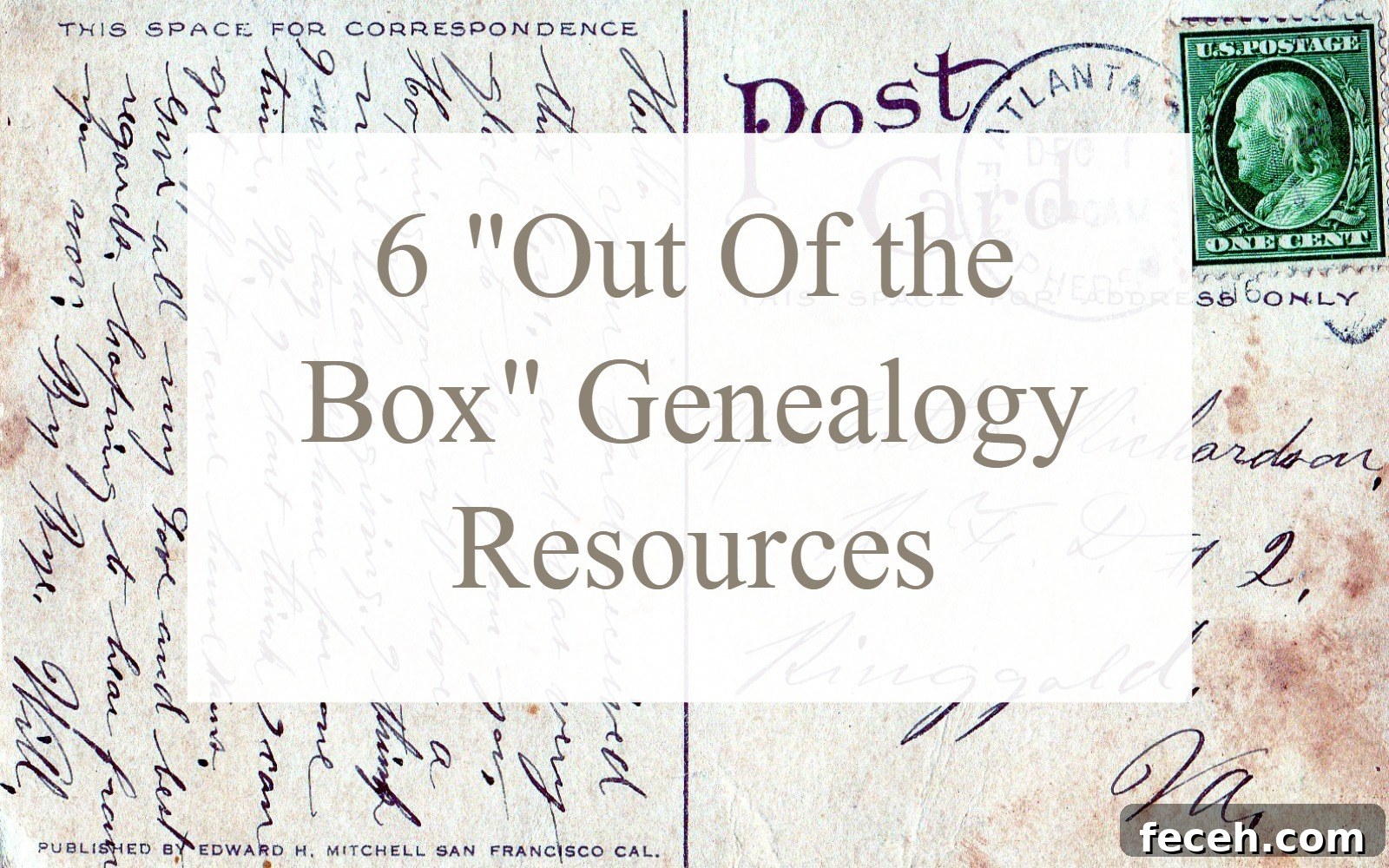
- Letters and Postcards – Ask relatives about old letters and postcards. People often overlook these items, so you may need to request them directly. Letters are commonly tucked in family Bibles, favorite books, photo boxes, or drawers. They can contain names, places, dates and relationships that aren’t recorded elsewhere.
- Baby Books – Baby books offer more than cute photos. Check gift lists, cards and pages of congratulations for names of relatives and friends. Those names often indicate family relationships and may reveal married names for female ancestors, which can be a crucial clue.
Yes, I hear you saying, “This sounds tedious and time-consuming.”
Yes — thorough genealogy work often requires patience. Taking the time to examine uncommon records helps avoid mistakes, such as incorrectly removing or misplacing branches of the family tree.
When the usual records are exhausted or missing, think outside the standard sources. Consider what items your ancestor might have kept, what records their community created, and which local institutions might preserve those items.
Tip – Check digital collections at state and local archives for unique materials. These digital repositories sometimes host uncommon items you won’t find elsewhere.
Your Action Item Today
- On a blank sheet, write the ancestor’s name, location and time period you’re researching. Set a 5–10 minute timer and brainstorm every unusual record type your ancestor might have created or appeared in. Don’t overthink — capture every idea.
- Use those brainstorm notes to build a focused research plan tailored to uncovering out-of-the-box sources.
Have you discovered an interesting out-of-the-box genealogy record? Share your experience in the comments below.
Other posts of interest
- How To Research “Out of the Box” Genealogy – (Round 2)
- 31 Days of “Out of the Box” Genealogy Tips – Volunteer! — explore the full 31-day series
- 15 Places to Find the Genealogy Records You Need
- How To Research Your Destitute Ancestors – Yes, It’s Possible
- Getting Started With School Records for Genealogy Research
::::::::::::::
Pin for future reference!