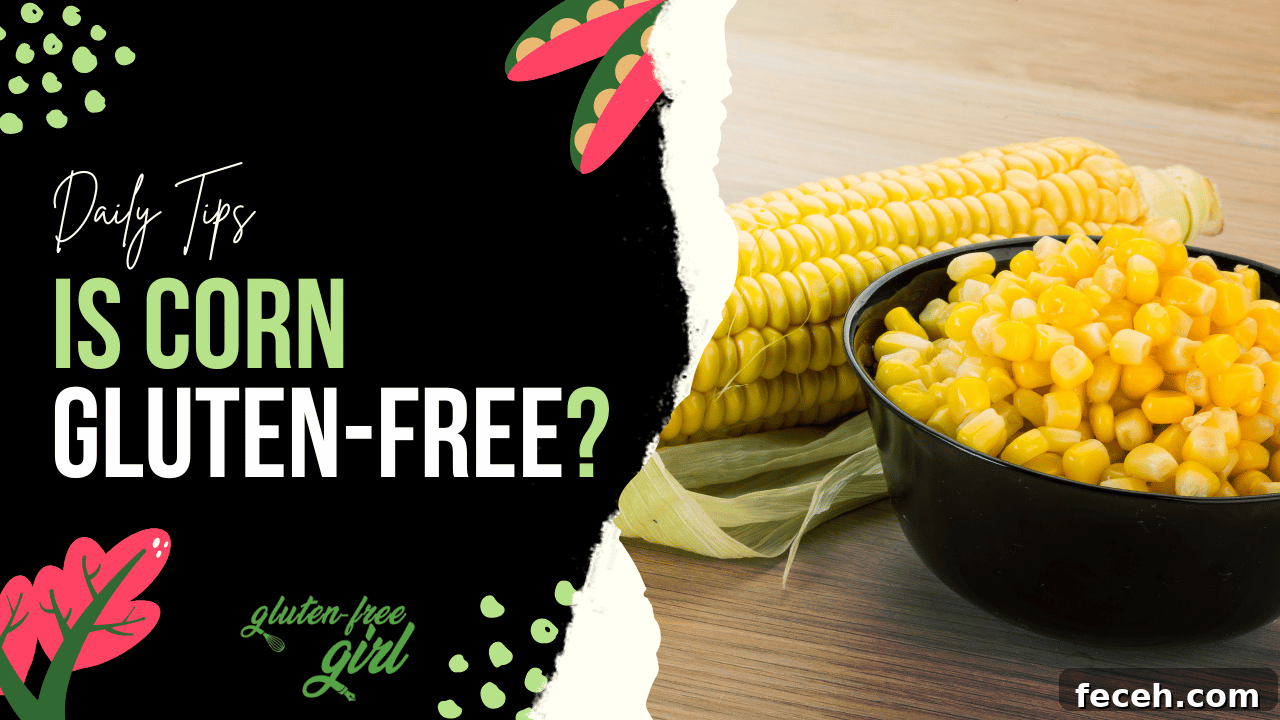
Yes, corn is gluten-free. Corn is naturally free of gluten, unlike grains such as wheat, barley, and rye. It comes from the Zea mays plant and is valued for its versatility and nutritional profile. Gluten refers to proteins like gliadin and glutenin that cause problems for people with celiac disease or non-celiac gluten sensitivity. Since corn does not contain those proteins, it is a safe choice for people who must avoid gluten.
Celiac disease is an autoimmune condition in which eating gluten damages the small intestine. As described by leading researchers, celiac disease is an immune-mediated enteropathy triggered by dietary gluten in genetically predisposed individuals. When people with celiac disease consume gluten, their immune response harms the intestinal lining, which can lead to digestive issues and impaired nutrient absorption.
Because corn lacks the specific gluten proteins, it is a common staple in gluten-free diets. It appears in many forms—cornmeal, corn flour, masa harina, cornstarch, popcorn, and fresh sweet corn—making it useful for both savory and sweet preparations. Cornstarch, for example, is widely used as a gluten-free thickener in sauces, soups, and baked goods.
The gluten-free nature of corn matters not only for celiac disease but also for people with non-celiac gluten sensitivity or those who experience inflammation when they eat gluten. The protein found in corn, sometimes called “corn gluten,” is distinct from the gluten proteins in wheat and does not trigger the same immune reactions in people with gluten-related disorders.
Can a Patient with Celiac Eat Corn?
Yes. Patients with celiac disease can eat corn because it does not contain gluten. Corn provides a safe source of carbohydrates and other nutrients without provoking the immune response that damages the small intestine in celiac disease. That makes corn an important and versatile alternative to wheat, barley, and rye in gluten-free meal planning.
What Gluten-Free Recipes Can You Cook with Corn?
Here are popular gluten-free recipes using corn:
- Corn Tortillas: Made from masa harina (corn flour), they are a traditional gluten-free substitute for flour tortillas and work well for tacos and wraps.
- Cornbread: A classic side made with cornmeal; when prepared without wheat flour, it’s a naturally gluten-free bread alternative.
- Corn and Black Bean Salad: A fresh, nutritious dish combining sweet corn with black beans, herbs, and a light dressing.
- Polenta: Ground cornmeal cooked to a creamy consistency or set and sliced; polenta is a versatile gluten-free base for many toppings.
- Corn Chowder: A hearty soup where corn adds sweetness and body; use gluten-free stock and thickeners to keep it safe.
- Vegetable and Corn Stir-Fry: Corn adds sweetness and crunch to mixed vegetable stir-fries and pairs well with gluten-free sauces.
How Are Corn and Corn Products Gluten-Free?
Corn is free of the gluten proteins gliadin and glutenin that are present in wheat, barley, and rye. Its protein composition is fundamentally different, so it does not form the elastic structures characteristic of gluten-containing doughs. For that reason, pure corn products—corn flour, cornmeal, hominy, masa harina, popcorn, and cornstarch—are naturally gluten-free.
Because corn behaves differently in baking and cooking, many gluten-free recipes combine corn flours with other gluten-free flours (such as rice, almond, or tapioca) to mimic the texture and structure usually provided by wheat gluten.
Is Cornstarch Gluten Free?
Yes. Cornstarch is produced from the endosperm of corn kernels and does not contain gluten. It is commonly used as a gluten-free thickening agent in sauces, gravies, soups, and baked goods. When purchasing cornstarch, choose products labeled gluten-free if you need to avoid cross-contamination.
How Do You Keep Corn Dishes Gluten-Free?
To ensure corn dishes remain gluten-free, follow these practices:
- Start with pure, labeled gluten-free corn products.
- Prevent cross-contamination by using clean utensils, cookware, and surfaces that have not contacted gluten-containing foods.
- Store gluten-free ingredients separately from wheat, barley, and rye.
- Check all additional ingredients (broth, seasonings, sauces) for hidden gluten.
- Avoid bulk bins where cross-contact with other grains is more likely; prefer sealed, prepackaged items.
- When dining out, communicate dietary needs and ask about preparation methods and shared equipment.
Cross-contamination can occur during frying, on shared grills, or via shared cutting boards and utensils. For example, frying corn tortillas in oil used for breaded, gluten-containing items or slicing corn on a board used for wheat bread without cleaning can transfer gluten to otherwise safe foods.
Do Corn Chips Have Gluten?
Many plain corn chips are naturally gluten-free, but not all. Some brands add gluten-containing ingredients or process products in facilities that handle wheat or barley, creating cross-contamination risk. Always check packaging for gluten-free labeling and ingredient lists to ensure safety.
Are Carbonated Beverages Gluten-Free?
Most non-alcoholic carbonated beverages (sodas, sparkling waters) are effectively gluten-free because their core ingredients—water, carbon dioxide, sweeteners, and natural flavors—do not contain gluten. However, some flavored drinks or malt-containing beverages do include gluten, particularly when malt (from barley) is used. Beer and other malt-based alcoholic beverages commonly contain gluten unless specifically produced from gluten-free grains or processed to remove gluten and labeled accordingly. Check labels when in doubt, especially for flavored or alcohol-containing drinks.
How Can Corn Become Contaminated with Gluten?
Corn itself is gluten-free, but contamination can occur in several ways:
- Processing and manufacturing: Corn processed on shared equipment with wheat, barley, or rye may pick up gluten particles.
- Agricultural practices: Shared equipment or proximity to gluten-containing grains in fields can introduce contamination.
- Added ingredients: Some processed corn products include binders, flavorings, or thickeners that contain wheat or barley derivatives.
- Processing aids: Enzymes or agents derived from gluten-containing sources used during production can leave trace gluten.
- Packaging and handling: Shared facilities and handling practices can transfer gluten between products.
How Can You Prevent Gluten Cross-Contamination in Dishes Using Corn?
Prevent cross-contamination by choosing certified gluten-free products, storing gluten-free items separately, and thoroughly cleaning surfaces and utensils before preparing gluten-free meals. Keep gluten-free and gluten-containing foods distinct during cooking and serving—cook pasta or tortillas separately, use dedicated utensils, and avoid shared fryers or grills. Also inspect sauces, marinades, and condiments for hidden gluten sources.
Are Corn-Based Desserts Gluten-Free?
Corn-based desserts can be gluten-free if all ingredients and preparation methods avoid gluten. Examples include polenta cakes or desserts made with masa harina. However, many commercial or traditional recipes add wheat flour or other gluten-containing ingredients, so verify labels and recipes. Substituting gluten-free flours like almond, rice, or brown-rice flour can produce safe and tasty corn-based desserts.
Are Corn Chips and Corn Cakes Gluten-Free?
Many corn chips and corn-based cakes are gluten-free, but some contain additives or are processed in facilities that handle gluten. Brands may label certain products gluten-free; always read packaging and ingredient lists. For baked goods and mixes, check whether wheat flour or other gluten-containing binders were added.
Is Corn Flour Gluten Free?
Yes. Pure corn flour, made entirely from milled corn, is gluten-free. It behaves differently from wheat flour because it lacks gluten’s binding properties, so it’s often combined with other gluten-free flours to achieve desirable textures in baking.
Is Cornmeal Gluten Free?
Yes. Cornmeal is made from ground dried corn and is naturally gluten-free. It’s commonly used for cornbread, polenta, coatings for fried foods, and many other recipes. As with other corn products, check for cross-contamination or added gluten-containing ingredients in processed mixes.
Is Hominy Gluten Free?
Yes. Hominy—corn treated by nixtamalization—is gluten-free. The alkaline process used to prepare hominy does not introduce gluten, and the finished product remains a safe, nourishing option for gluten-free diets.
Is Maltodextrin from Corn Gluten Free?
Yes. When maltodextrin is derived from corn, it is gluten-free. Maltodextrin is a carbohydrate used as a thickener, filler, or preservative in many processed foods and is generally safe for people following gluten-free diets when made from corn.