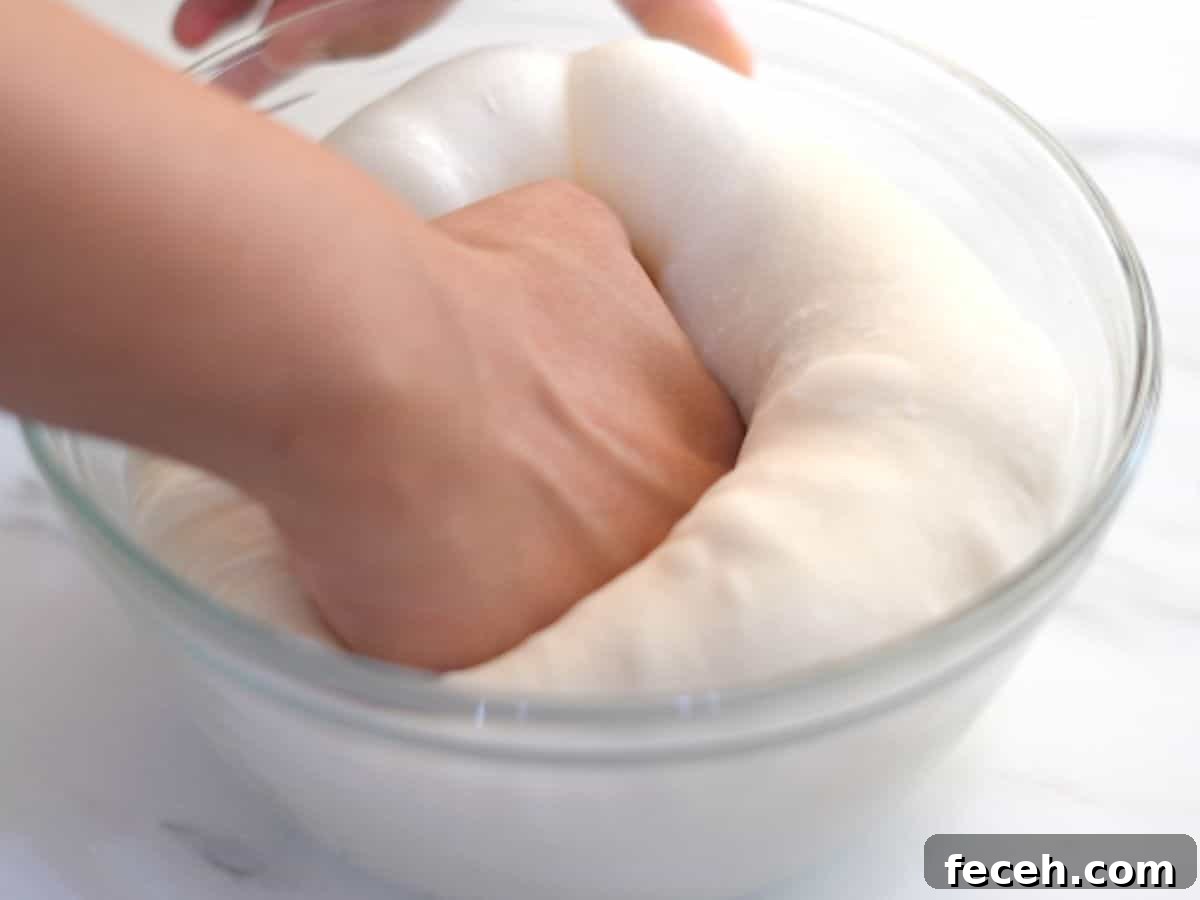
“Dough not rising” is a common and frustrating issue for many home bakers. When yeast bread dough fails to rise, the underlying cause is usually related to yeast, since yeast is the leavening agent that creates the light, airy structure in bread.
Baking bread is both an age-old craft and a satisfying modern hobby. There’s real joy in pulling a golden loaf from the oven with a well-risen crust and a soft, open crumb. Still, even experienced bakers sometimes face dense, flat results when dough won’t rise as expected.
Over the years I’ve worked through many dough problems. Below are seven common reasons dough doesn’t rise—along with clear, practical solutions you can use next time your loaf is sluggish.
1. Inactive or Expired Yeast
Yeast is a living organism and the primary reason dough rises. If your yeast is old, expired, or stored improperly, it may be inactive and unable to produce the gases needed to leaven the dough.
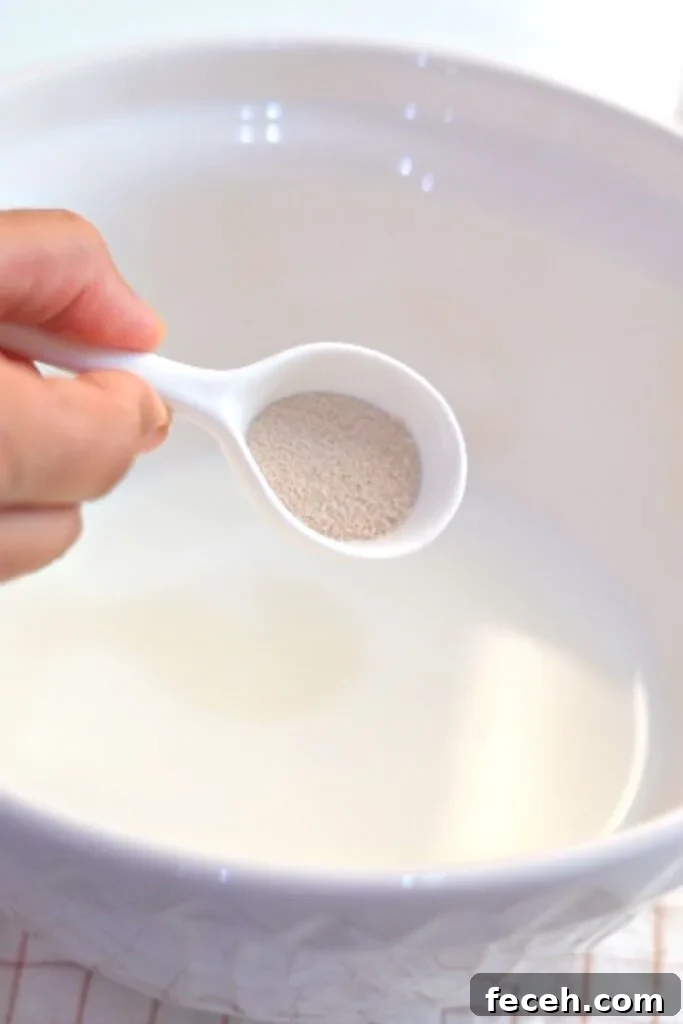
Solution:
Check the expiration date. If the yeast is past its prime, replace it. Proof the yeast. Dissolve it in lukewarm water (about 100°F / 38°C) with a pinch of sugar; in 5–10 minutes it should become frothy. If not, get fresh yeast.
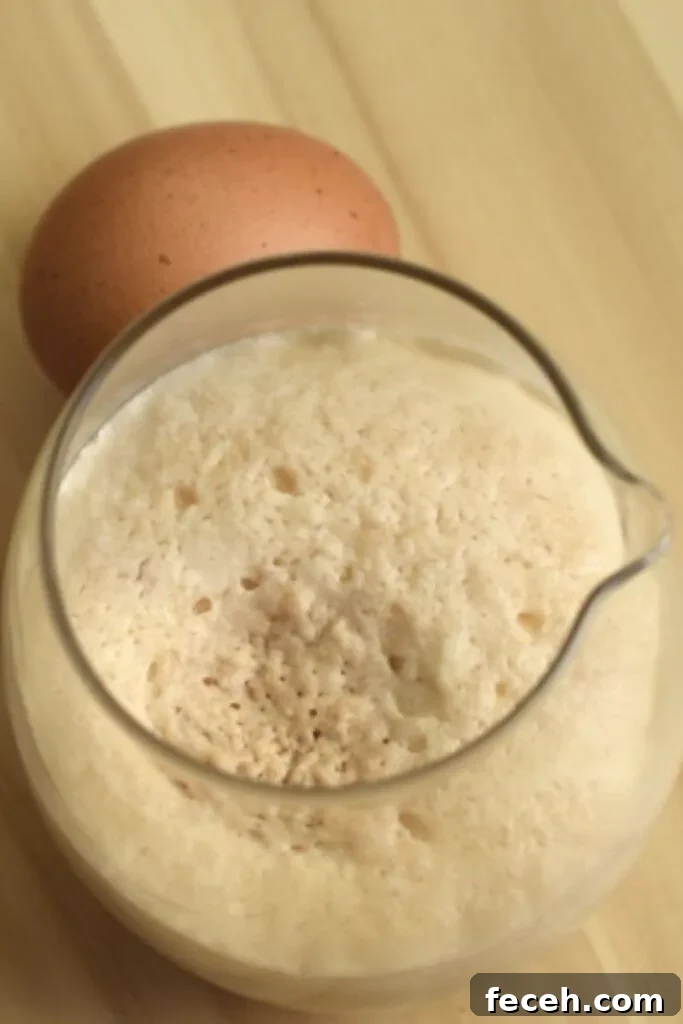
If your yeast proves active but dough still won’t rise, the next likely problem is liquid temperature.
2. Incorrect Liquid Temperature
Yeast is temperature-sensitive. Water that is too hot can kill yeast, while water that is too cold slows activity. Both scenarios can prevent proper rising.

Solution: Use lukewarm water around 100°F (38°C) to activate yeast. A kitchen thermometer is best. Without one, the water should feel pleasantly warm—like warmed baby food—not hot. Slightly cooler is safer than too hot.
These first two reasons—dead yeast or too-hot liquid—are the most common causes of a dough that won’t rise at all. If you accidentally kill the yeast with hot water, you can often rescue the dough.
How to fix dough after killing the yeast
Mix 1/4 cup (60 ml) lukewarm water with 1 tsp (3 g) yeast and a small pinch of salt. Add about 45 g flour and form a small dough. Combine it thoroughly with the original dough so the fresh yeast distributes evenly. Let the combined dough rise in a warm place for 1–2 hours; it should double in size within about an hour.
3. Not Enough Yeast
Using too little yeast can make the dough slow to rise or result in a poor rise. Many recipes use about 1 teaspoon of yeast for roughly 3 cups of flour, but enriched or heavy doughs like hot cross buns or brioche may require more yeast.
Solution: Follow the recipe’s yeast measurement. If adapting recipes, scale yeast to the flour amount and consider longer rises with less yeast to develop flavor.
Other non-yeast reasons dough may fail to rise fully include insufficient kneading, overly dense dough, too-short proofing, and the type of flour used.
4. Insufficient Kneading
Kneading develops gluten, the network that traps gas and gives structure. Under-kneaded dough won’t hold gas well and will rise poorly.
Solution: Knead by hand for 8–10 minutes until the dough is smooth and elastic. In a stand mixer, knead 4–5 minutes on low. Perform the windowpane test: stretch a small piece of dough—if it forms a thin, translucent membrane without tearing, it’s ready.
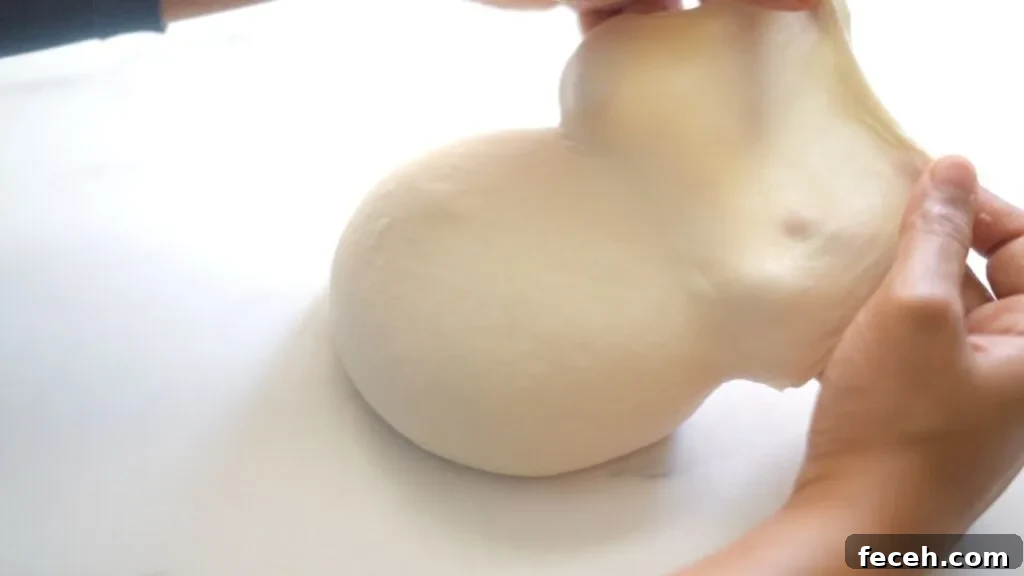
5. Overly Dense Dough
Too much flour or a stiff dough prevents expansion. If dough is dry and tight, gas can’t expand the structure.
Solution: Aim for a slightly tacky, pliable dough. Add small amounts of water during mixing until the dough feels soft but not wet. Proper hydration helps gluten development and gas retention.
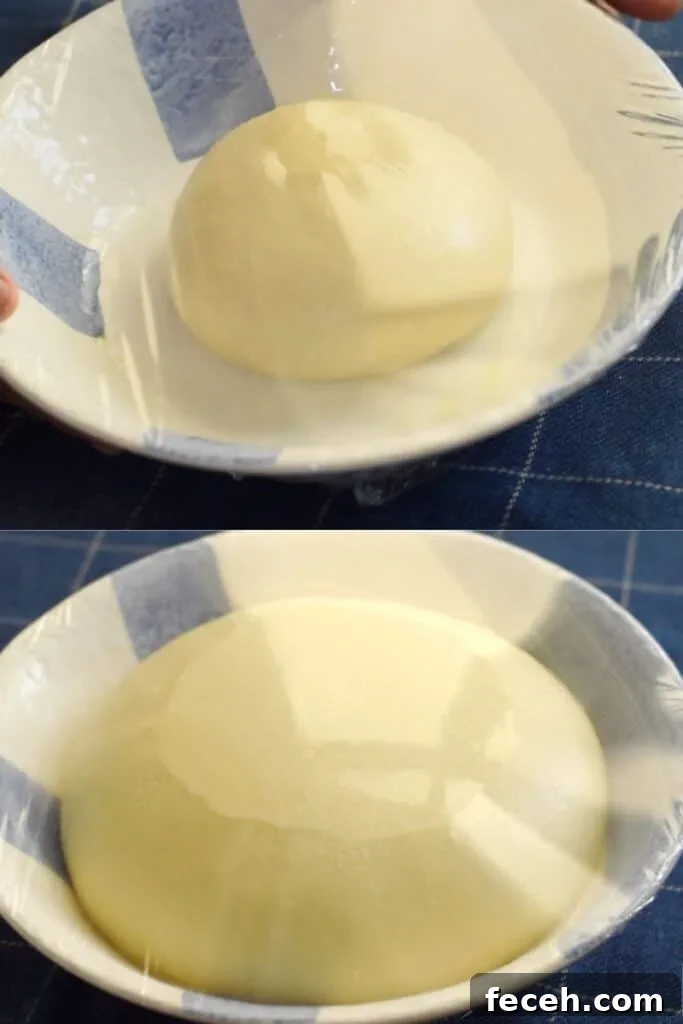
6. Insufficient Proofing Time
Dough needs adequate time and the right temperature to double in size. Rushing proofing yields underproofed dough with poor volume and texture. Proofing times vary with ambient temperature and recipe ingredients. Yeast works slower in cold kitchens and faster in warm ones. Enriched doughs with butter, sugar, and eggs—like brioche or challah—often require longer proofing.
Solution: Be patient. Proof dough in a warm, draft-free spot until it doubles. Times vary but typically range from 1–2 hours or more. Judge readiness by volume, not the clock.
7. Type of Flour
Flour choice affects gluten development and rise. High-protein (bread) flour develops more gluten and supports a better rise; low-protein flours (cake, pastry) won’t produce strong structure. Whole wheat includes bran and germ, which reduce gluten development and can make loaves denser but add flavor and nutrition. Gluten-free flours lack gluten entirely and require alternative binders or techniques.
- Solution for whole wheat: Mix with bread or all-purpose flour to improve structure and rise. Adjust hydration and allow longer proofing when using whole grain flours.
Additional Tips
Small adjustments often make the biggest difference:
- Create the right environment: Keep dough in a warm, draft-free, slightly humid place. An oven with the light on or a turned-off oven with a bowl of hot water creates a cozy proofing spot.
- Cover the dough: Use a damp cloth or plastic wrap to prevent the surface from drying out during proofing.
- Don’t rush: Slower rises often improve flavor and texture. Trust the dough’s appearance and size rather than the clock.
When dough refuses to rise, it’s an opportunity to learn. By checking yeast vitality, using the correct liquid temperature, measuring yeast appropriately, kneading thoroughly, managing hydration, allowing enough proofing time, and choosing the right flour, you’ll improve your chances of a consistent, well-risen loaf. Bread baking combines science, technique, and patience—each loaf teaches you something new. Keep practicing and enjoy the rewards of freshly baked bread made with your own hands.